
IMF Boosts Asia Growth Forecast, Cautions on Geopolitical Risks
WASHINGTON – The International Monetary Fund (IMF) has raised its economic growth projections for Asia, forecasting the region will contribute approximately 60% of global growth both this year and in 2026. This positive revision comes amid strong export performance, fueled by factors including pre-tariff shipment strategies, intra-regional trade expansion, and the boom in artificial intelligence-driven technology - especially benefiting South Korea and Japan.
Despite the optimistic outlook, the IMF warns of significant downside risks, primarily stemming from escalating US-China tensions and potential increases in global interest rates. These factors could tighten financial conditions, increase debt burdens in some Asian countries, and ultimately curb economic expansion.The IMF emphasizes the need for coordinated reforms to bolster trade and investment, and suggests Asian economies diversify away from export reliance towards stronger domestic demand to mitigate external shocks.
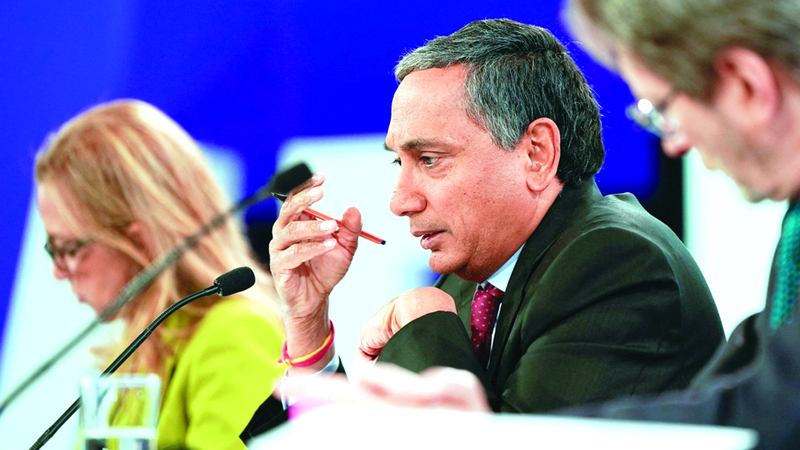
IMF official Srinivasan highlighted several supporting factors behind the revised forecast, including buoyant stock markets, declining long-term borrowing costs, and a weaker US dollar. However, he cautioned that interest rates may need to rise further if trade policy uncertainty or geopolitical tensions worsen.
Srinivasan stressed that proactive measures, such as pursuing reforms to enhance trade and investment, are crucial for sustaining robust growth in the years ahead. He also suggested that Asian nations could strengthen their economies by shifting focus from export-driven models to fostering greater domestic consumption.
