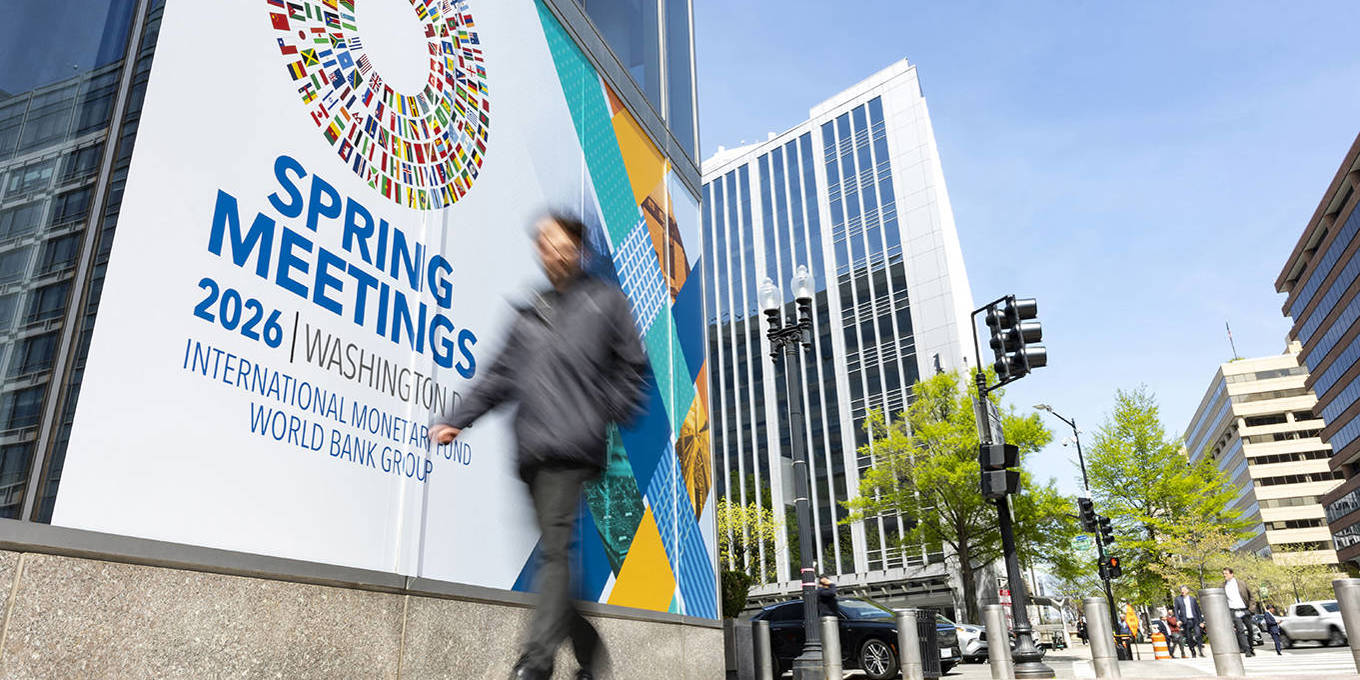
IMF Program Design: Turning Research Into Action
The International Monetary Fund (IMF) is currently conducting its decennial Review of Program Design and Conditionality to address a systemic failure: the persistent gap between its internal research on austerity and the rigid, often counterproductive, lending conditions it imposes on distressed sovereign nations to ensure debt repayment.
The fiscal paradox is glaring. For decades, the Fund has published internal working papers suggesting that aggressive fiscal consolidation—essentially austerity—can stifle growth and exacerbate debt-to-GDP ratios. Yet, when the ink hits the loan agreement, the “conditionality” remains focused on slashing public spending and aggressive tax hikes. This cognitive dissonance creates a volatile environment for emerging markets, where sudden policy shifts trigger capital flight and crush local EBITDA margins for enterprises relying on public infrastructure.
For the private sector, this isn’t just a policy debate; it is a risk management nightmare. When a government is forced into a pro-cyclical contraction to satisfy an IMF program, B2B contracts evaporate and liquidity dries up overnight. Companies operating in these jurisdictions are increasingly turning to international corporate law firms to restructure sovereign-linked contracts and hedge against the inevitable volatility of “IMF-mandated” fiscal pivots.
The Cost of Ideological Inertia in Sovereign Debt
The IMF’s failure to pivot isn’t just an academic oversight; it’s a market distortion. When the Fund mandates austerity in a recessionary environment, it effectively forces a “fire sale” of national assets and a collapse in domestic demand. This creates a vacuum that only the most capitalized global players can fill, often leaving mid-sized enterprises to fold under the weight of increased borrowing costs and diminished state procurement.
Looking at the current landscape, the yield curve on several emerging market bonds is pricing in this systemic unpredictability. According to the IMF World Economic Outlook, the divergence in growth projections between “flexible” and “rigid” program designs is stark. When conditionality ignores the fiscal multiplier—the fact that cutting $1 of spending might reduce GDP by more than $1—the result is a debt trap. The sovereign cannot grow its way out of debt because the conditions for the loan prevent the very growth required to service it.
“The IMF’s insistence on fiscal austerity during a downturn is akin to telling a patient to stop eating while they are recovering from starvation. It ignores the fundamental reality that investment is the only sustainable path to solvency.” — Marcus Thorne, Chief Investment Officer at Aethelgard Global Macro
The market is now demanding a shift toward “growth-compatible” conditionality. This means moving away from blanket spending cuts and toward targeted revenue mobilization and structural reforms that actually incentivize private investment.
Three Ways the IMF’s Policy Gap Destabilizes Global Trade
- Liquidity Squeezes: Rigid austerity mandates often lead to a collapse in domestic liquidity. As governments slash subsidies and public wages, the velocity of money drops, leaving B2B providers with mounting receivables and crippled cash flows. Firms often require specialized treasury management services to navigate these currency-devalued environments.
- Infrastructure Decay: When “program design” prioritizes immediate deficit reduction over long-term capital expenditure, critical infrastructure projects are halted. This creates supply chain bottlenecks that ripple through the global economy, increasing the cost of goods sold (COGS) for exporters.
- Regulatory Volatility: The rush to implement “taxation reforms” to meet IMF targets often results in haphazard tax code changes. This unpredictability makes long-term CAPEX planning impossible for multinational corporations, who then seek global tax consultancy firms to mitigate the risk of sudden fiscal shocks.
The current Review of Program Design and Conditionality is the IMF’s last chance to align its practice with its science. If the Fund continues to ignore its own findings, it risks becoming an obsolete relic of the Washington Consensus in an era of multipolar finance.
The Macro-Financial Fallout: A Quantitative Perspective
The friction between IMF mandates and economic reality is most visible in the “multiplier effect.” In many distressed economies, the fiscal multiplier is significantly higher than the 0.5 estimate the Fund historically used. If the actual multiplier is 1.5, a $1 billion cut in spending doesn’t just reduce the deficit by $1 billion—it reduces GDP by $1.5 billion, potentially increasing the debt-to-GDP ratio despite the cuts.

This is the “Austerity Trap.” We see this reflected in the volatility of sovereign credit default swaps (CDS). When a country enters an IMF program that ignores local economic multipliers, the CDS spreads often widen rather than tighten, as investors realize the “cure” may actually kill the patient. Per the Bank for International Settlements (BIS) quarterly reviews, the correlation between rigid conditionality and prolonged stagnation in emerging markets remains stubbornly high.
The real-world impact is a shift in how C-suite executives view “safe” markets. The focus has shifted from nominal growth rates to “policy stability” metrics. A country with a lower growth rate but a predictable fiscal trajectory is now more attractive than a high-growth market subject to the whims of an IMF-mandated austerity shock.
“We no longer look at the GDP forecast in isolation. We look at the IMF’s Letter of Intent. If the conditions are purely contractionary without a credible growth bridge, we reduce our exposure to that jurisdiction immediately.” — Elena Rossi, Managing Director of Sovereign Risk at Valoris Capital
This shift in sentiment is driving a massive migration of capital toward markets with more autonomous fiscal policies or those that have successfully negotiated “flexible” frameworks with the Fund. It is a survival game played with billions of dollars in basis points.
The IMF is at a crossroads. It can either evolve into a true partner for global stability or remain a debt collector with a PhD in economics that it refuses to apply. For the business community, the stakes are clear: the continued application of failed austerity models creates a vacuum of instability that only the most agile and well-advised firms can survive.
Navigating these systemic risks requires more than just a balance sheet; it requires a network of vetted, high-tier partners who understand the intersection of sovereign policy and corporate survival. Whether you are hedging against currency collapse or restructuring operations in a volatile emerging market, the right expertise is the only real hedge. Explore the World Today News Directory to connect with the top-tier financial advisors and legal strategists capable of turning macroeconomic volatility into a competitive advantage.