
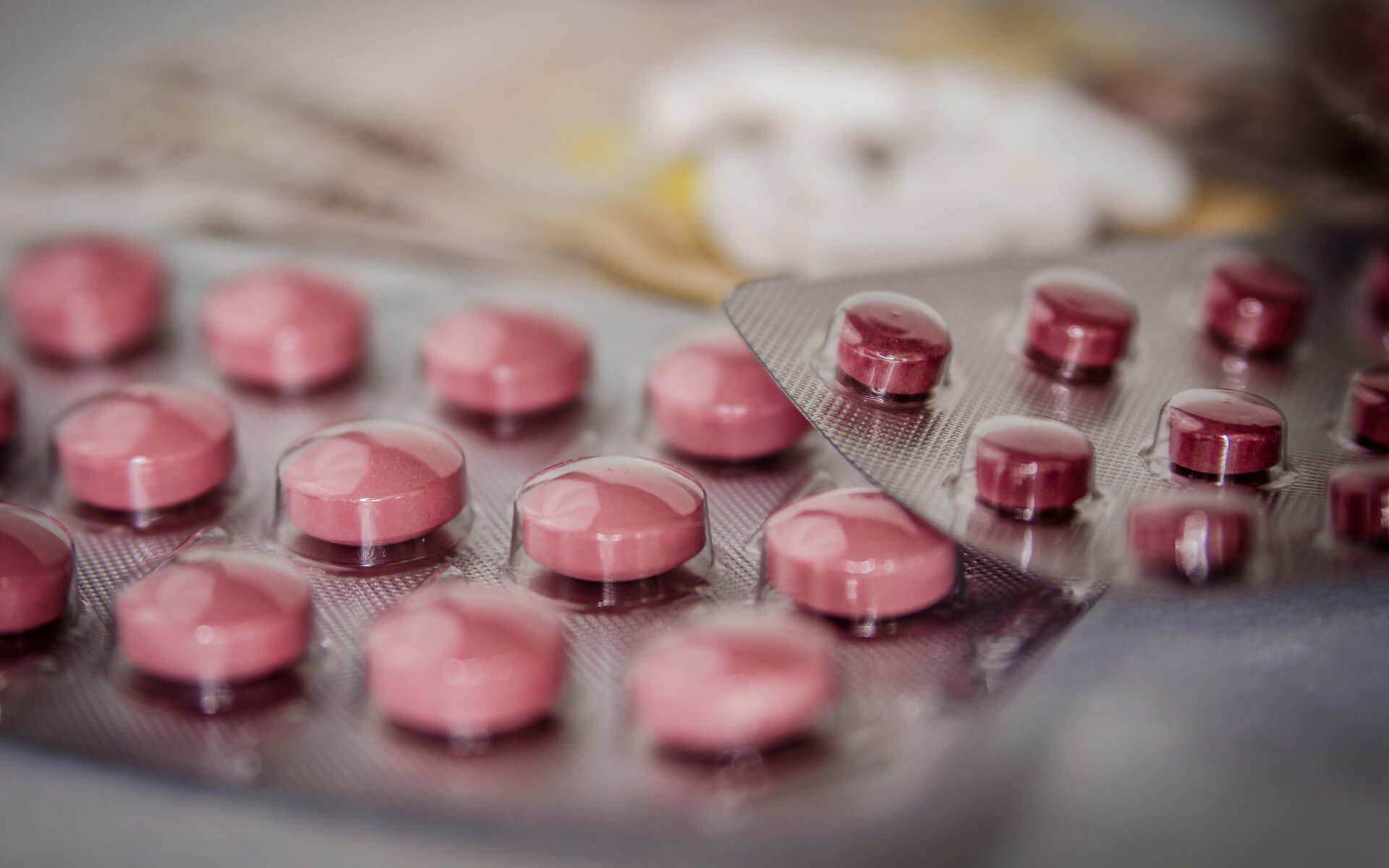
Swiss authorities are grappling with a surge in illegal medicine imports, but the profile of those imports is shifting. Whereas previously dominated by counterfeit erectile dysfunction drugs from India, authorities are now seeing a marked increase in medications for hair loss and hormones, often originating in the United States and channeled through European countries.
The Swiss Agency for Therapeutic Products (Swissmedic) and the Federal Customs Administration (BAZG) reported 6,647 illegal pharmaceutical shipments were intercepted at the Swiss border in 2025, a rise of roughly 17 percent compared to 2024. However, the number remains comparable to levels seen in 2022 and 2023, suggesting authorities are facing a consistent, rather than escalating, challenge. Despite these interceptions, over 500 shipments were released in 2025 because they did not meet the legal criteria for confiscation, according to a joint statement from the agencies.
The composition of these illegal shipments is undergoing a significant transformation. The proportion of seized erectile dysfunction drugs has fallen by 16 percentage points to 41 percent, continuing a trend that began in 2022 when such products accounted for around 80 percent of seizures. This decline is attributed to the effectiveness of Swiss authorities’ targeting of shipments originating from India.
Simultaneously, other drug categories are experiencing substantial growth. Preparations for hair loss increased by 15 percentage points, now representing approximately 19 percent of all seized shipments. Hormones, including melatonin, have similarly seen a significant rise, increasing by 8 percentage points to 12 percent. A substantial portion of these products originate in the United States, often transiting through EU countries before reaching Switzerland.
The shift in origin is also notable. While India’s share of the illegal pharmaceutical market has decreased to 20 percent, countries in Western Europe have increased their contribution by 15 percentage points, now accounting for 40 percent of seized shipments. France and Germany, in particular, have seen a 9 percentage point increase in shipments passing through their borders.
Swiss authorities are also warning consumers about deceptive online pharmacies that falsely present themselves as Swiss-based to gain trust. These websites often use Swiss symbols, domain names, and logos to create a false sense of legitimacy, despite having no connection to Switzerland or the necessary licenses to operate there.
Stefan Brupbacher, director of Swissmem, emphasized the adaptability of illicit markets, stating that suppliers are responding to enforcement efforts. Swissmem, a leading Swiss industry association, has been actively involved in addressing the impact of Italian financial laws on Swiss machine exports, highlighting the broader economic challenges facing Swiss businesses.
Swissmedic and BAZG stated that continued market surveillance and public awareness campaigns are crucial to protecting the population from the health risks associated with illegal and unregulated medications. The agencies have not announced any immediate changes to enforcement strategies, but the evolving patterns of illegal imports suggest a need for continued adaptation.
