
Paraguayan Carbon Credits Face Scrutiny: “Neutral Carbon” Claims Questioned
asunción, Paraguay - Products marketed as “carbon neutral” using credits generated from eucalyptus plantations in Paraguay might potentially be misleading consumers, according to emerging concerns about the country’s carbon credit system. A recently enacted Paraguayan law, intended to bolster the nation’s carbon market participation, inadvertently creates a loophole that undermines the integrity of carbon neutrality claims for goods utilizing these credits.
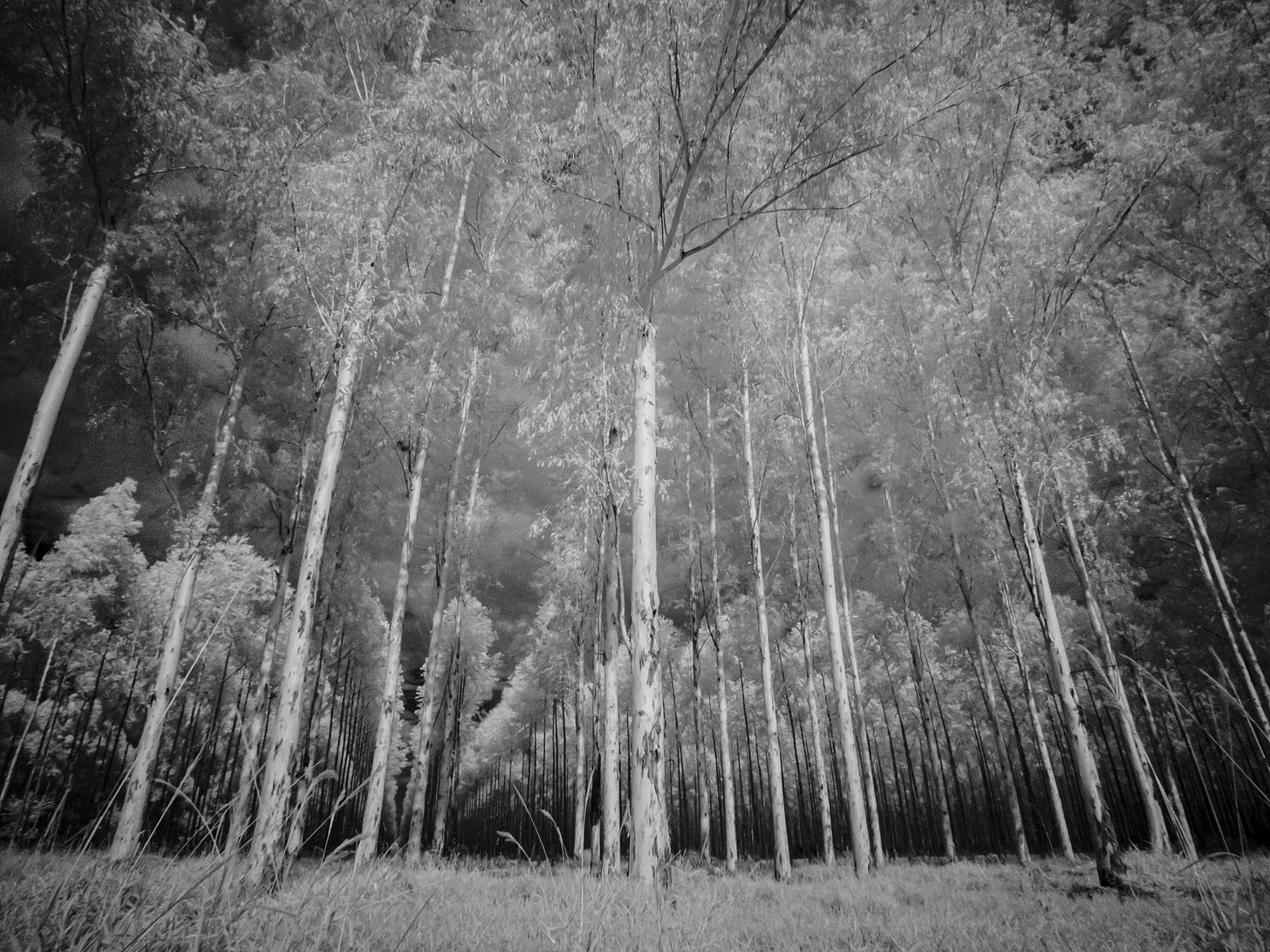
The issue centers on Paraguay’s Law 6629/2023, which allows for the generation of carbon credits from fast-growing eucalyptus forests. While intended to attract investment and support lasting forestry, the law permits crediting for carbon sequestration in trees that are ultimately harvested for pulp and paper production – a practice critics argue doesn’t represent genuine, long-term carbon removal. This means a product offsetting its emissions with Paraguayan eucalyptus credits isn’t truly neutral, as the sequestered carbon is destined for release when the wood is processed and decomposes. The potential impact is significant, as Paraguay aims to become a major player in the voluntary carbon market, particularly ahead of COP29, and companies worldwide are increasingly seeking to offset their carbon footprints.
The controversy highlights a broader debate surrounding the quality and verification of carbon credits.Experts warn that relying on credits from sources with questionable permanence – like rapidly harvested forests – risks “greenwashing” and delaying meaningful emissions reductions. “The problem is asking the market to change carbon for money without ensuring that the carbon actually stays put,” explains a recent analysis from Consen.so. The situation places pressure on international standards bodies to rigorously evaluate Paraguay’s carbon credit methodology and potentially impacts businesses seeking to meet genuine net-zero targets. Further scrutiny is expected as Paraguay seeks to attract buyers at the upcoming COP29 climate conference in Baku, Azerbaijan.
