Human Microbes Could Survive on the Moon’s South Pole, NASA Warns
Shadowed Craters as Microbial Refuges
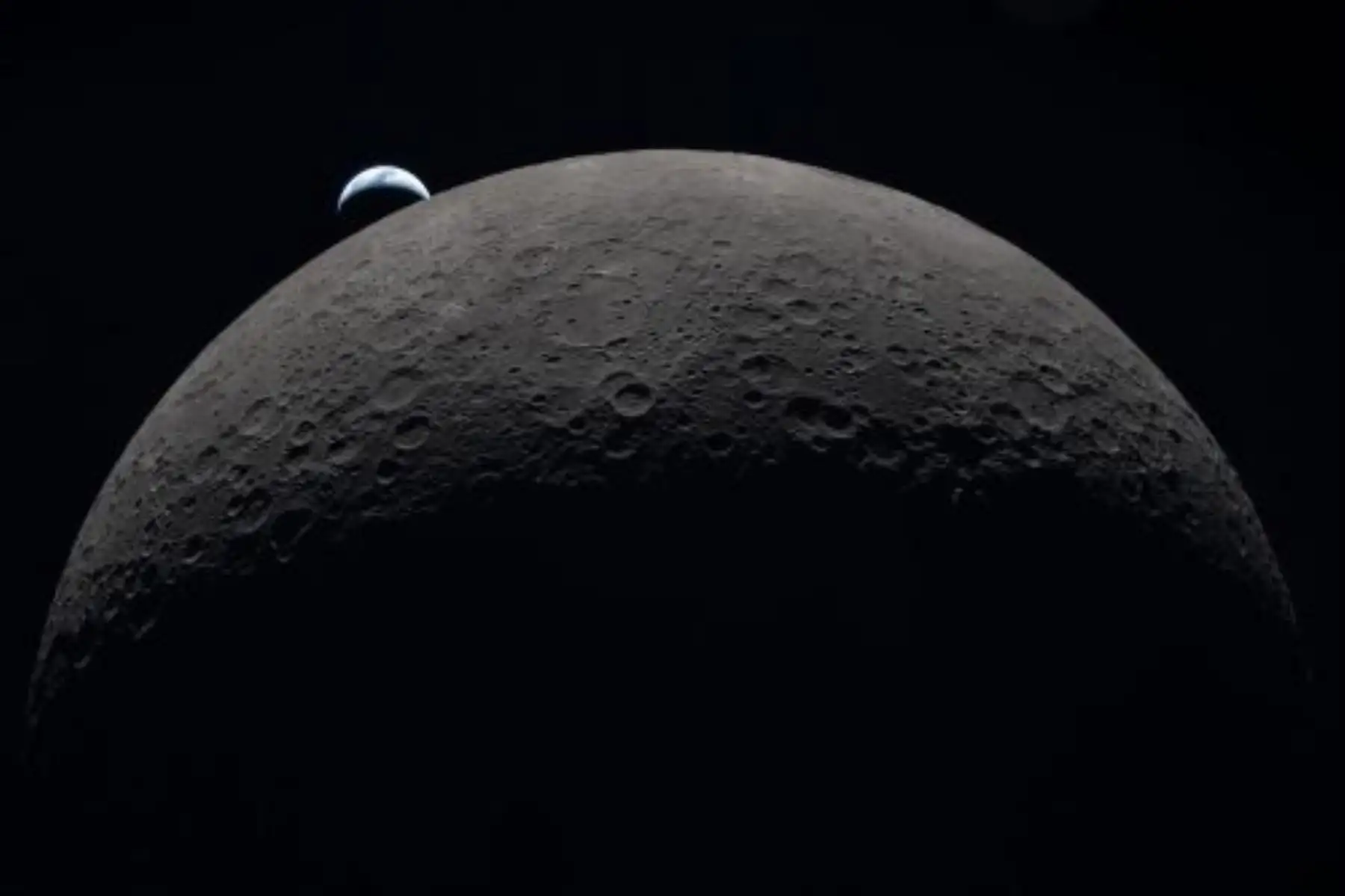
NASA scientists have identified a significant risk of biological contamination at the lunar south pole, warning that microbes associated with human exploration could potentially survive in the Moon’s extreme environment. Agency documentation suggests the unique conditions of the region—specifically its permanently shadowed craters—may provide a refuge for terrestrial microorganisms brought to the lunar surface by crewed missions.
The Risk of Terrestrial Hitchhikers
The concern centers on the potential for human-associated microbes to hitchhike on spacecraft or equipment. Once deposited, these organisms could theoretically persist in the soil or icy regolith. This potential survival complicates future scientific efforts to determine whether life—or the chemical precursors to life—ever existed on the Moon.
Escalating Contamination Threats
Planetary protection protocols are designed to prevent “forward contamination,” the transfer of Earth-based biological material to other celestial bodies.
Preserving Scientific Integrity
If scientists discover biological material in the future, they must be able to verify its origin. Contamination from human missions could lead to “false positives,” making it difficult to distinguish between indigenous lunar materials and terrestrial stowaways. While NASA has not announced a specific overhaul of its mission procedures, the agency continues to monitor the potential for microbial migration within the lunar environment.