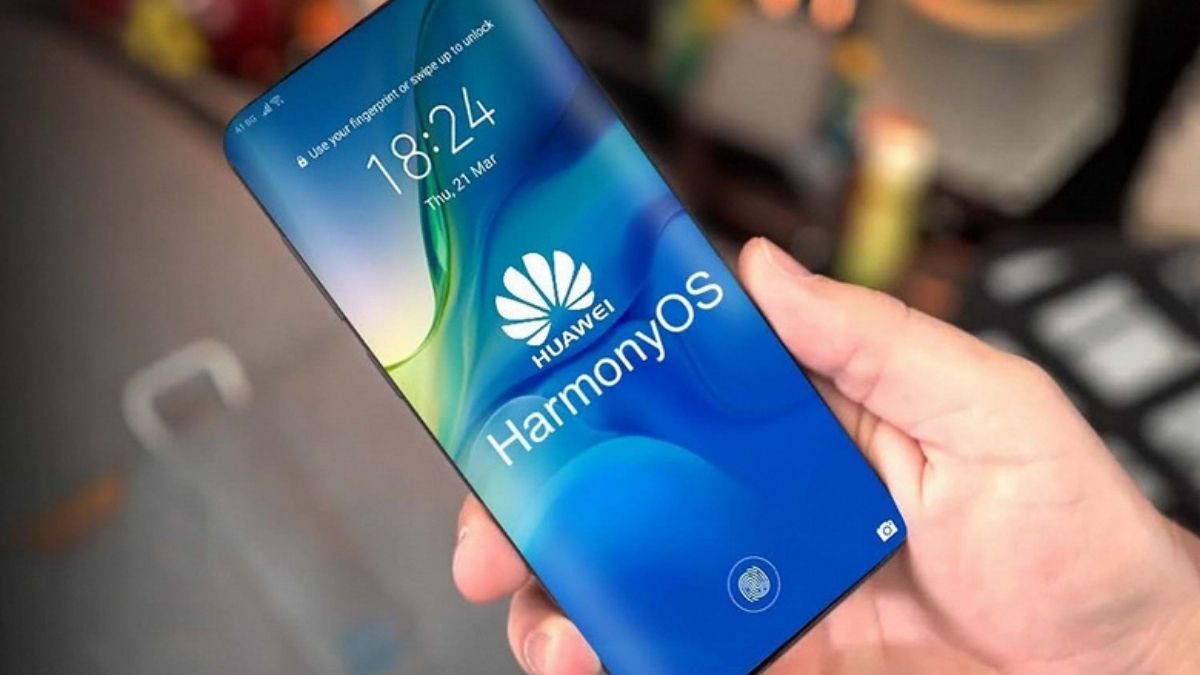
Huawei takes HarmonyOS global to challenge Android and Apple, says عالم التقنية
Huawei Takes HarmonyOS Global in Direct Challenge to Android and Apple
Huawei is expanding its HarmonyOS operating system into a global platform, positioning the software to challenge Android and Apple across international markets, according to the tech news outlet عالم التقنية.
Richard Yu, executive director, chairman of the Investment Review Board, and head of the consumer business group at Huawei, detailed the global rollout during an extensive press interview. Yu stated that the company is executing a phased strategy to bring HarmonyOS to users worldwide. The operating system has evolved rapidly since its initial launch in 2019, expanding from smartphones and tablets to smartwatches, earphones, laptops, and connected vehicles.
Climbing to Third Place in the Mobile Ecosystem
HarmonyOS has established itself as the third ecosystem globally, trailing Android and Apple. This standing was solidified by the 2024 launch of HarmonyOS NEXT, a version built entirely independently of Android.
According to عالم التقنية, Yu noted that the platform has achieved adoption despite the historical difficulties of competing alternative operating systems, including Microsoft’s Windows Phone, Samsung’s Bada, and Nokia’s Symbian.
Software Supports Millions of Devices and Developers
The software currently runs on more than 90 million devices and supports approximately 450,000 applications and services. The supporting developer network has grown to 11 million developers alongside 23,000 partners.

Targeting Software Monopolies With Five Technical Pillars
Reporting by آخر الأخبار emphasizes that the global expansion targets a wider distribution of an independent ecosystem designed to provide an alternative to traditional software monopolies. The strategy focuses on five core technical pillars: operational fluidity, enhanced security, artificial intelligence integration, cross-device connectivity, and comprehensive system optimization.
AI Integration Improves Compatibility During International Rollout
The deployment of artificial intelligence within the architecture is intended to improve device compatibility and deliver smart capabilities to serve users better. Huawei’s phased international rollout aims to introduce these capabilities step by step to users outside its domestic market, ensuring a standardized software experience across diverse device categories.
Related reading
- University of Denver Transitions From Zoom to Microsoft Teams by 2027
- University of Auckland, NIST, and UMD Researchers Demonstrate Microcomb
- Apple Cuts iPhone 18 Pro Production Due to Low Demand, GSMArena Reports (newsdirectory3.com)
- Apple TV 4K Gains Hi-Res Lossless Audio Support in tvOS 27 Update (time.news)