
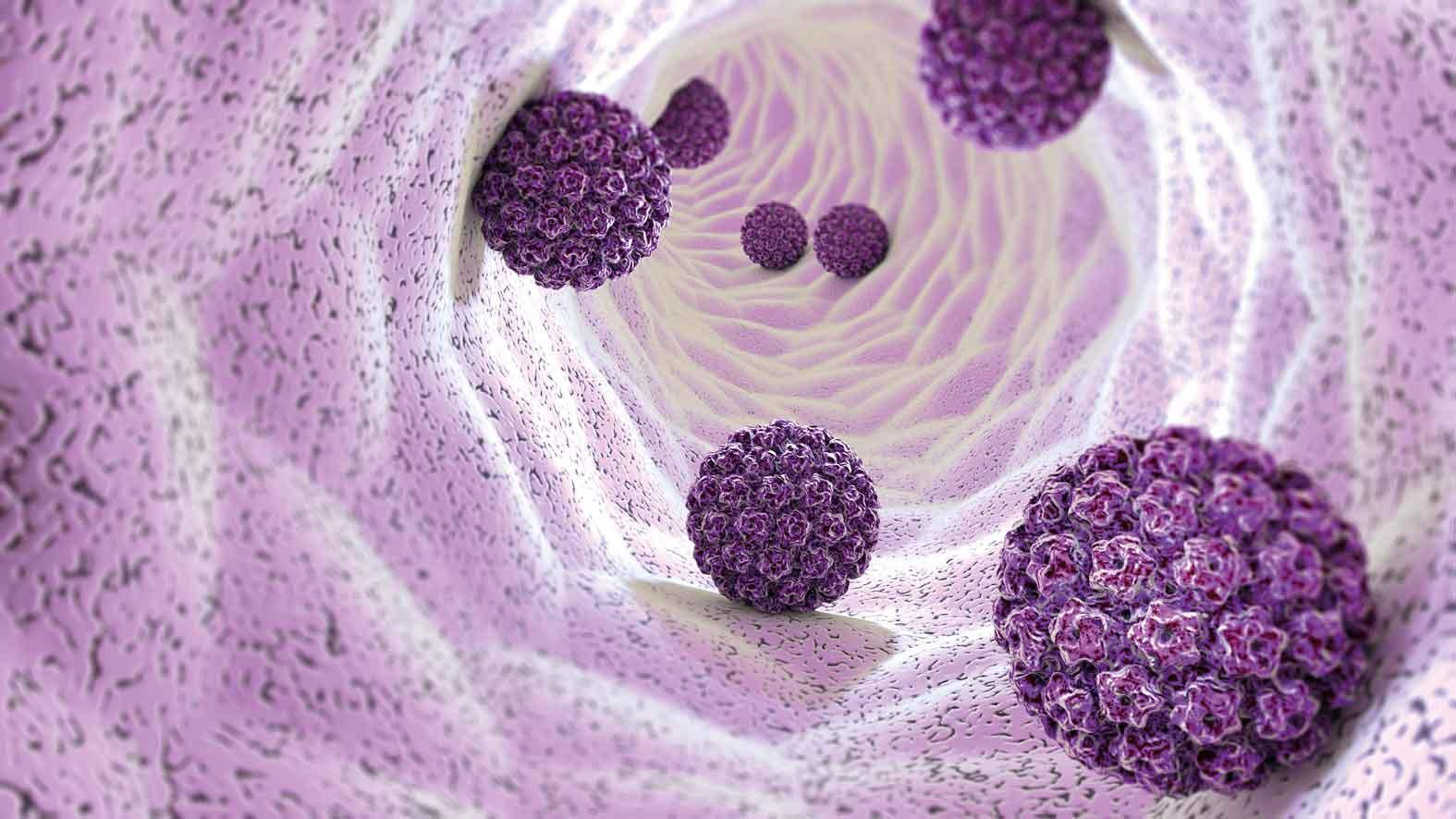
HPV Virus: Half of Men Contract it, Often Unknowingly, Raising Concerns for Women’s Health
Table of Contents
women. Learn about HPV prevention,symptoms,and the importance of vaccination.">
New research indicates that approximately half of all sexually active men will contract the HPV virus at least once in their lives, frequently without experiencing any symptoms. This lack of awareness, coupled with societal taboos surrounding HPV, contributes to its silent spread, particularly impacting women’s health, according to Prof. Dr. Mehmet Akif Diri, a specialist in urology.
The Prevalence and Impact of HPV
Human Papilloma Virus (HPV) encompasses a group of over 200 related viruses, with around 40 types affecting the genital area. While some HPV types cause genital warts, others can lead to severe health issues, including cervical, anal, penile, and oropharyngeal cancers. High-risk strains like HPV 16 and 18 are responsible for over 70% of cervical cancer cases [[1]].
Did you Know? HPV can remain dormant for years, making routine screenings crucial for early detection, especially in women.
HPV and Men: A Silent Threat
Many men are unaware they carry the HPV virus because they often exhibit no symptoms. This lack of awareness can lead to unintentional transmission to female partners, perhaps causing persistent infections and increasing the risk of cervical cancer [[2]]. Low-risk HPV types (particularly 6 and 11) can cause genital warts on the penis, scrotum, anus, or groin, while high-risk types (especially 16 and 18) can lead to anal, penile, and oropharyngeal cancers.
The Protective Power of Vaccination
Vaccination is a key preventative measure against HPV. Early HPV vaccination, before exposure to the virus, offers significant protection against HPV-related cancers. While the vaccine won’t eliminate existing infections, it can prevent reinfection with other HPV types and bolster the immune system. The CDC recommends HPV vaccination for adolescents aged 11-12, but it can be administered up to age 26.
Pro Tip: Even if you’re already HPV-positive, vaccination can still provide protection against other HPV types.
Lifestyle Factors and HPV clearance
A strong immune system plays a vital role in clearing HPV infections, typically within 1-2 years. Certain lifestyle factors can impact the immune system’s ability to fight off the virus. Smoking weakens the immune system and increases the risk of HPV progressing to cancer. Similarly, excessive alcohol consumption can elevate the risk of oral and throat cancers and impair cell renewal.
To support a healthy immune system, prioritize a balanced, antioxidant-rich diet, aim for at least 7 hours of sleep per night, manage stress levels, engage in regular exercise (at least 150 minutes per week), and maintain adequate vitamin D levels.
HPV Prevention and Management: Key takeaways
- Get vaccinated against HPV,ideally before sexual activity.
- Practice safe sex by using condoms, although they don’t offer complete protection.
- Undergo regular screenings, especially for women, to detect HPV and cervical abnormalities early.
- Maintain a healthy lifestyle to support a strong immune system.
HPV Types and Associated Risks
| HPV Type | Associated Risks |
|---|---|
| Low-Risk (e.g., 6, 11) | genital warts |
| High-Risk (e.g.,16,18) | Cervical,Anal,Penile,Oropharyngeal Cancers |
What steps are you taking to protect yourself and your loved ones from HPV? How can we break the stigma surrounding HPV and encourage open conversations about prevention and screening?
Understanding HPV: An Evergreen Viewpoint
HPV has been a growing concern for decades, with research continuously evolving to understand its transmission, prevention, and treatment. The development of HPV vaccines has been a significant breakthrough in reducing the incidence of HPV-related cancers. Public health campaigns aimed at increasing awareness and vaccination rates are crucial in combating the spread of this common virus.
Frequently Asked Questions About HPV
- What are the different types of HPV vaccines?
- There are different types of HPV vaccines available, including bivalent, quadrivalent, and nonavalent vaccines, which protect against different HPV strains [[1]].
- Can you get HPV without sexual contact?
- While sexual contact is the most common mode of transmission, HPV can, in rare cases, be transmitted through non-sexual contact, such as skin-to-skin contact [[3]].
- Are there HPV tests for men?
- There are currently no routine HPV tests for men, but doctors can often diagnose HPV-related conditions, such as genital warts, through visual examination.
Disclaimer: This article provides general information and should not be considered medical advice. Consult with a healthcare professional for personalized guidance on HPV prevention, screening, and treatment.
share this important information with your friends and family! Subscribe to World Today News for more health updates and breaking news.
