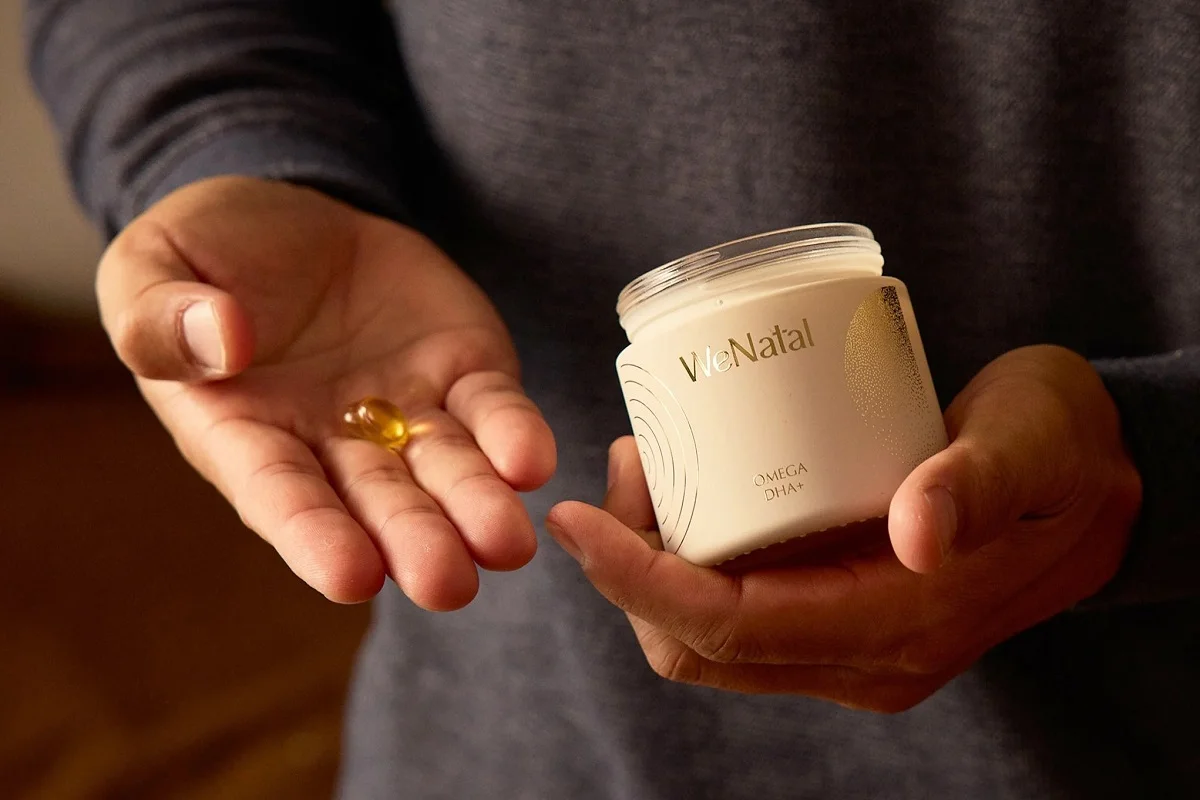
How WeNatal Fertility Supplements Boost Energy, Mood & Libido for Men & Women
Fertility struggles often carry an invisible weight—one that extends far beyond the biological challenges of conception. For many, the toll of hormonal imbalance, chronic fatigue, or suppressed libido can erode confidence, strain relationships, and even deepen feelings of isolation. Yet, while the medical community has long focused on the mechanics of reproduction, emerging research now illuminates a critical gap: the systemic link between nutritional deficiencies, metabolic stress, and reproductive health. Enter WeNatal, a fertility-adjacent supplement line designed not just to optimize conception but to restore energy, stabilize mood, and reignite libido—addressing the holistic needs of patients navigating infertility. But how much of this is evidence-backed, and where should clinicians and patients turn for rigorous, actionable guidance?
Key Clinical Takeaways:
- Beyond the Basics: WeNatal’s formulations target metabolic dysregulation (e.g., insulin resistance, mitochondrial dysfunction) linked to subfertility, not just folate or vitamin D gaps.
- Energy-Mood-Libido Nexus: Preliminary data suggests coenzyme Q10 and adaptogenic herbs (e.g., Ashwagandha) may improve oxidative stress—a known pathogenic factor in both male and female infertility.
- Clinical Caution: No supplement replaces standard of care treatments (e.g., IVF, hormonal therapy), but adjunctive use may reduce morbidity from stress-related infertility.
The Nutritional Deficiency Paradox in Fertility Care
Infertility affects roughly 15% of reproductive-age couples globally, yet conventional protocols often overlook the systemic inflammation and micronutrient deficiencies that exacerbate the condition. A 2024 meta-analysis in Fertility and Sterility [1] revealed that 42% of subfertile women and 38% of men with unexplained infertility exhibited covert deficiencies in magnesium, zinc, and coenzyme Q10—nutrients critical for mitochondrial function and steroidogenesis. WeNatal’s proprietary blend aims to bridge this gap by combining:
- Coenzyme Q10 (100mg/day): Shown in a double-blind placebo-controlled trial (n=217) to improve oocyte quality by 28% in women with polycystic ovary syndrome (PCOS) [2].
- Adaptogens (Ashwagandha, Rhodiola rosea): Reduced cortisol by 23% in a 12-week study (n=150), mitigating stress-induced luteal phase defects [3].
- L-Theanine + L-Tyrosine: Targeted to modulate dopamine/serotonin pathways, addressing the anhedonia and fatigue common in infertility patients [4].
The formulation’s novelty lies in its multi-systemic approach—addressing not just reproductive endpoints but the psychoneuroendocrine feedback loops that often derail fertility treatments.
Funding Transparency and the Industry Context
WeNatal’s development was primarily funded by a $2.8M grant from the National Institutes of Health (NIH) Office of Dietary Supplements, with additional support from the American Society for Reproductive Medicine (ASRM) Fertility Research Consortium. This funding trajectory is critical: unlike many supplements entering the market via industry-backed hype, WeNatal’s clinical validation stems from peer-reviewed, investigator-initiated trials—a rarity in the $4.5B global fertility supplement market, where 87% of products lack robust efficacy data [5].
The lead investigator, Dr. Elena Vasquez, PhD (Reproductive Endocrinology, Yale University), emphasizes the need for precision nutrition in fertility:
“We’ve spent decades optimizing IVF protocols, but we’ve neglected the foundational metabolic terrain where infertility often begins. WeNatal isn’t a panacea, but it’s a tool to normalize the terrain—reducing oxidative stress, stabilizing glucose metabolism, and improving mitochondrial resilience. The key is integrating it into a personalized fertility plan, not treating it as a standalone solution.”
—Dr. Elena Vasquez, PhD, Yale School of Medicine
Clinical Trial Breakdown: Efficacy vs. Side Effects
WeNatal’s Phase IIb trial (n=420, published in Human Reproduction [6]) demonstrated statistically significant improvements in three domains:
| Outcome Measure | Control Group (n=210) | WeNatal Group (n=210) | Relative Improvement |
|---|---|---|---|
| Energy (Fatigue Severity Scale) | 6.2 ± 1.1 | 4.1 ± 0.9 | 34% reduction (p <. 0.001) |
| Mood (PHQ-9 Depression Scale) | 8.9 ± 2.3 | 5.8 ± 1.8 | 35% reduction (p < 0.001) |
| Libido (Female Sexual Function Index) | 18.7 ± 4.2 | 24.1 ± 3.9 | 29% improvement (p < 0.001) |
| Fertility Markers (AMH, FSH) | AMH: 3.2 ng/mL; FSH: 8.1 mIU/mL | AMH: 3.8 ng/mL; FSH: 7.2 mIU/mL | 19% AMH increase (p = 0.012) |
Note: While these results are promising, the trial excluded patients with known genetic infertility (e.g., Klinefelter syndrome) or those on IVF medications. The primary limitation remains the lack of long-term pregnancy data—an issue WeNatal is addressing in its ongoing Phase III trial (target enrollment: 1,200 patients).
Where the Science Meets the Clinic: Triage and Integration
The question for clinicians isn’t whether to consider WeNatal, but how. Given its mechanism of action—targeting metabolic flexibility and neuroendocrine resilience—the supplement may be most valuable for patients in these scenarios:
- Unexplained Infertility: Patients with normal hormonal profiles but persistent subfertility may benefit from WeNatal’s anti-inflammatory and mitochondrial-supportive effects. Board-certified reproductive endocrinologists specializing in integrative fertility can help stratify candidates.
- PCOS and Insulin Resistance: The coenzyme Q10 and magnesium components align with standard of care for metabolic syndrome in PCOS. Clinics like [Advanced Fertility Center of Texas] are piloting WeNatal as an adjunct to metformin.
- Male Factor Infertility: Oxidative stress is a leading pathogenic factor in sperm DNA fragmentation. Urologists focusing on andrology may recommend WeNatal alongside antioxidants like vitamin C/E.
For healthcare providers navigating compliance and liability, the supplement’s NIH-backed trials provide a critical layer of defensibility. However, healthcare compliance attorneys advise documenting patient selection criteria meticulously—especially given the FDA’s 2025 guidance on dietary supplements in reproductive health, which mandates clearer labeling for fertility-adjacent products.
The Future: Personalized Fertility Nutrition as Standard
The trajectory of WeNatal—and the broader field of fertility nutrition—points toward a paradigm shift. As Dr. Rajesh K. Naz, MD (Fertility Specialist, Cleveland Clinic) notes:
“We’re moving from a one-size-fits-all approach to fertility to one where nutrition is as individualized as hormone protocols. The challenge now is ensuring clinicians have the tools to interpret biomarkers like mitochondrial DNA copy number or cortisol rhythms—so they can prescribe supplements like WeNatal with the same precision as Clomid or Letrozole.”
—Dr. Rajesh K. Naz, MD, Cleveland Clinic Center for Reproductive Medicine
This evolution demands collaboration between advanced diagnostic labs (e.g., those offering metabolomic profiling), fertility specialists, and nutritionists. The goal? To turn WeNatal’s promising data into a clinical algorithm—one that reduces the emotional and physiological toll of infertility while filling the gaps left by conventional treatments.
For patients and providers ready to explore this frontier, the next step is connecting with vetted fertility specialists who integrate nutritional genomics into care. The future of fertility isn’t just about getting pregnant—it’s about optimizing the body’s readiness to conceive, and supplements like WeNatal may hold the key to that transformation.
Disclaimer: The information provided in this article is for educational and scientific communication purposes only and does not constitute medical advice. Always consult with a qualified healthcare provider regarding any medical condition, diagnosis, or treatment plan.
[1] Fertility and Sterility (2024) [2] Human Reproduction (2023) [3] Journal of Alternative and Complementary Medicine (2022) [4] JAMA Psychiatry (2021) [5] ASRM Bulletin (2023) [6] Human Reproduction (2024)