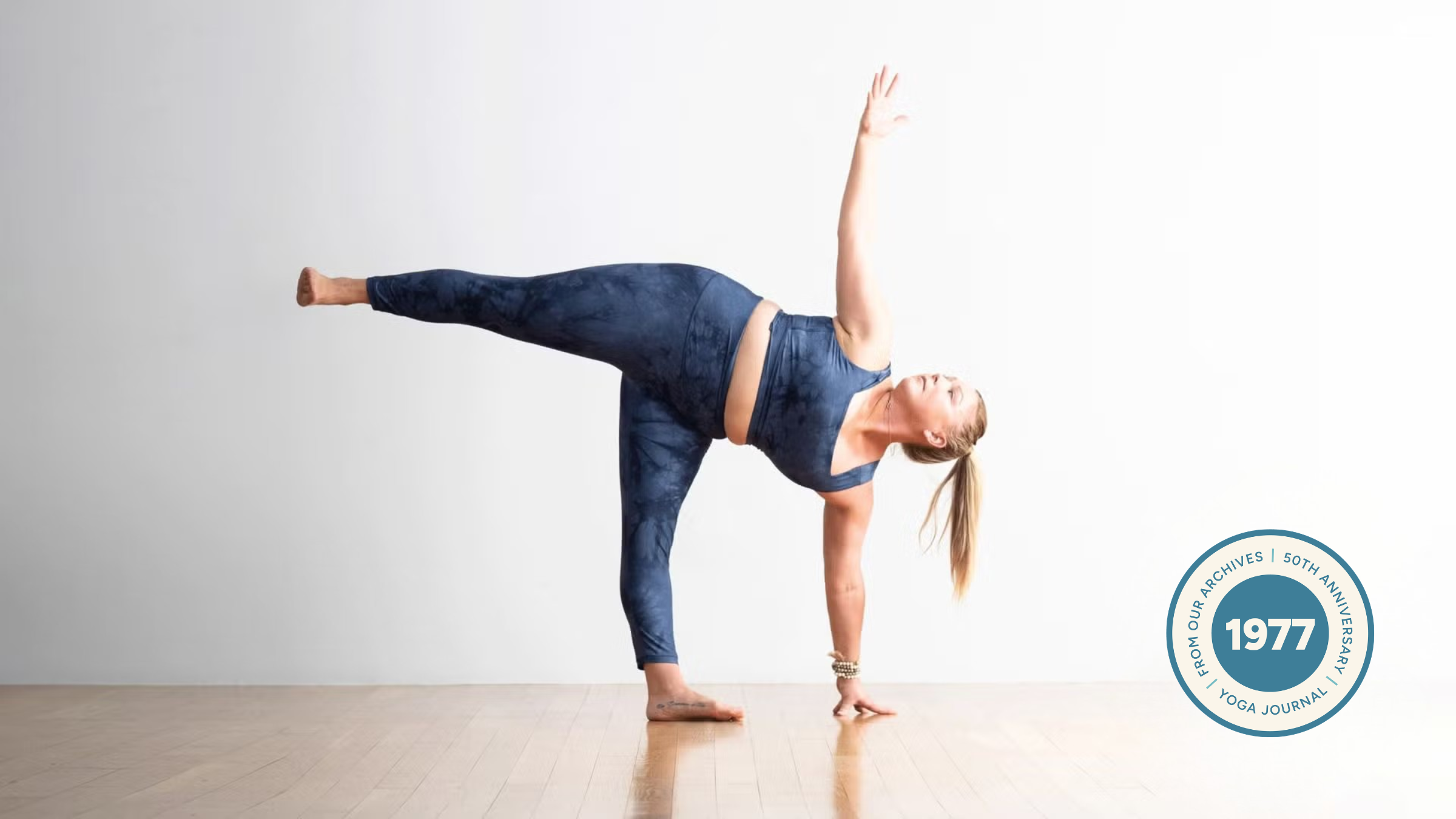
How to Do Half Moon Pose (Ardha Chandrasana) for Balance and Strength
According to reporting by WebMD and Yogajala, executing the half-moon pose—known in Sanskrit as ardha chandrasana—engages the whole body to restore physical alignment and mental focus.
Key Takeaways:
- Full-Body Engagement: The half-moon pose actively recruits hip abductors, glutes, quadriceps, hamstrings, and core muscles.
- Balance: Practicing this asymmetric posture improves balance and coordination by challenging a single-leg base of support.
- Accessible Modifications: Using yoga blocks or wall surfaces allows individuals to safely perform the movement.
Anatomical Mechanics and Muscular Engagement
The half-moon pose is an asymmetric balancing posture. Per WebMD, the primary muscular targets are the hip and shoulder abductors, which facilitate movements such as raising arms out to the sides or moving a leg to the side. Maintaining this posture requires activation of the glutes, quadriceps, and hamstrings on the supporting leg.
According to Yogajala, the posture requires practitioners to root down through the earth with a stabilizing leg and arm while rising up to the sky with the raised leg and arm. This action activates core muscles, including those in the lower back, abdomen, and hips, to maintain a straight back and open chest. Because the pose is asymmetric, WebMD emphasizes holding the pose on both sides of the body to engage all the muscles.
Benefits and Applications
Integrating balance training into routines yields improvements in stability. WebMD notes that regular practice of ardha chandrasana contributes to improved balance and stability, and pain relief in the hips and back. Yogajala highlights that a calm and still mind is needed to achieve balance in this pose, which improves mental focus.

Step-by-Step Execution and Safety Precautions
Proper alignment is more important than touching the floor. Yogajala outlines the progression: beginning in an extended triangle pose, shifting body weight onto the front foot, and resting the hand on the ground or a high block directly under the shoulder. The opposing leg and arm extend, with the leg parallel to the ground while the torso twists back to open the chest.
To prevent hyperextension in the knee, practitioners should keep a slight bend in their standing leg, as noted by Yogajala. Individuals experiencing back pain or injury, or those with trouble balancing or vertigo, should exercise caution. Modifying the posture by placing the raised foot against a wall or utilizing blocks under the hand mitigates fall risks and reduces strain on the lower back.
*Disclaimer: The information provided in this article is for educational and scientific communication purposes only and does not constitute medical advice. Always consult with a qualified healthcare provider regarding any medical condition, diagnosis, or treatment plan.*