How the US Could Increase Economic Pressure on Iran
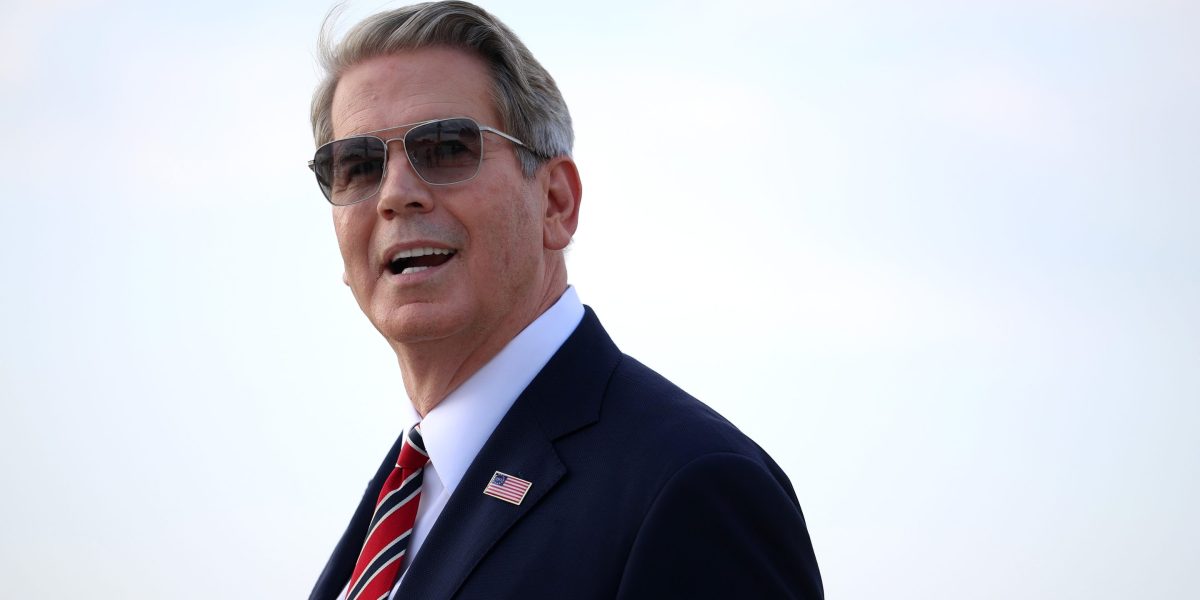
Treasury Secretary Scott Bessent has announced plans to apply “unprecedented” economic pressure on Iran to isolate the nation financially, according to reports from Fortune and Moneycontrol.
This escalation creates a high-stakes environment for global trade compliance. As the Treasury Department targets intermediaries, multinational corporations and financial institutions must audit their exposure to “shadow” networks to avoid secondary sanctions.
The China Constraint and Oil Revenue Risks
China buys more than 90% of Iran’s oil exports, making Beijing the single most critical pillar of Tehran’s fiscal survival. Fortune reports that since the US began its war against Iran in late February, several Chinese firms and “teapot” refineries have already been sanctioned by the US. However, the Treasury has not yet targeted the major Chinese banks that provide the essential financing for these trades.

The risk of expanding these sanctions is twofold. First, it could destabilize diplomatic relations ahead of a planned meeting between President Donald Trump and Chinese leader Xi Jinping. Second, curtailing Iranian barrels from the global market could lift already elevated oil prices, creating domestic inflationary pressure in the US.
Chris Kennedy, an analyst for Bloomberg Economics, stated that unless the president prioritizes the Iran threat over all other issues—specifically China—it is unlikely that Treasury actions will “materially change Iran’s calculus.” This tension was highlighted in May when China ordered domestic companies not to comply with US sanctions on five specific refiners, while its biggest banks were caught between Beijing’s directive and the risk of losing access to the US financial system.
Targeting the UAE Exchange House Network
A primary vulnerability in Iran’s financial architecture is the repatriation of funds. Because Iran often receives payments for oil in Chinese yuan, it requires intermediaries to convert these funds into usable currencies. Fortune reports that many of these transactions flow through exchange houses in the United Arab Emirates.
As part of the “Economic Fury” campaign, Secretary Bessent’s Treasury Department has already sanctioned some Iranian exchange houses for allegedly laundering billions of dollars in foreign currency. This approach targets the liquidity pipeline rather than the trade itself.
The efficacy of this strategy remains debated. Iran has spent years developing alternative channels to move capital outside the formal banking system. Experts suggest that rather than stopping transactions entirely, the removal of specific exchange houses will probably drive them toward digital assets, different currencies, or new intermediaries.
Secondary Sanctions and the ‘North Korea’ Model
The administration is considering a broader application of secondary sanctions, a strategy similar to the one used against North Korea in 2017. This would force any entity—regardless of nationality—to choose between doing business with Iran and maintaining access to the US financial system.

Such a policy would extend Washington’s leverage beyond oil traders to include general commercial partners. This would put significant pressure on Russia and China, as well as US partners like Turkey that maintain significant commercial ties with Tehran. President Trump has previously suggested a 25% tariff on countries conducting business with Iran, though he has not yet implemented this measure.
Asset Confiscation and the Shadow Fleet
Drawing on a measure employed by the Bush administration following the 2003 invasion of Iraq, the US might move beyond freezing assets to attempt the confiscation of those already under US jurisdiction. However, Fortune points out that the amount of Iranian state assets actually accessible to the US may be small, and seizing them would present greater diplomatic and legal hurdles than merely freezing them. A large portion of Iran’s wealth abroad is kept in third countries, meaning Washington would require the help of foreign governments to seize it.
Simultaneously, the US is targeting the “shadow fleet”—the network of vessels and terminals used to bypass the existing naval blockade. The US has already sanctioned vessels and some entities involved in this so-called shadow fleet.
The complexity of these maritime sanctions requires specialized legal oversight.
As the Treasury Department moves toward a policy of economic isolation, the volatility of the energy market and the risk of secondary sanctions will likely define the fiscal quarters ahead.