How the Developing Brain Repairs DNA Damage in Migrating Neurons
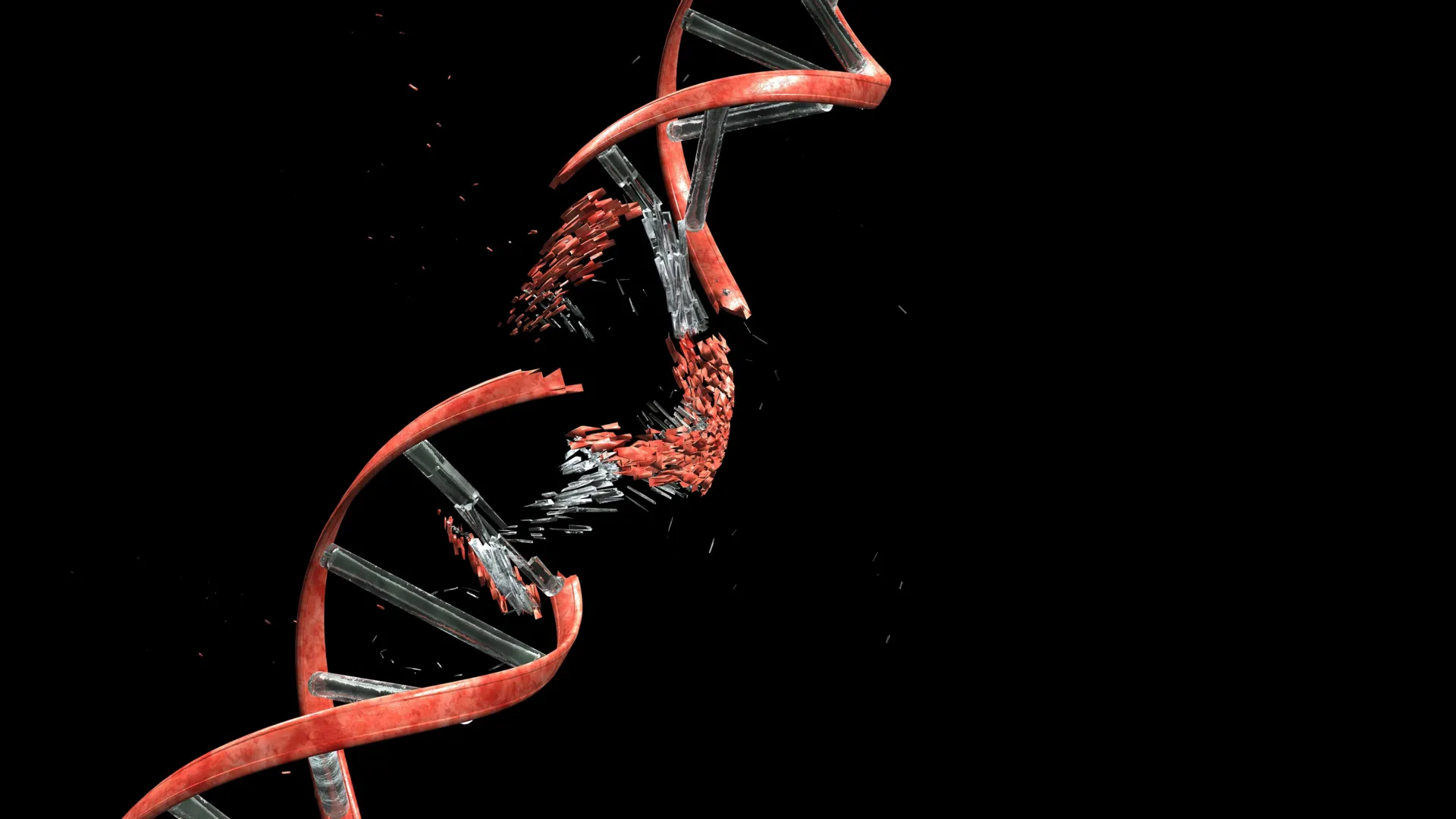
Developing neurons in the mammalian brain intentionally induce double-strand DNA breaks (DSBs) to navigate the physical constraints of the developing central nervous system. A study published in Nature reveals that as these cells migrate to their final structural positions, they endure mechanical stress that shears their genetic material. This process, while seemingly counterintuitive, is managed by an evolved repair mechanism that preserves genomic integrity, providing new insight into the pathogenesis of neurodevelopmental disorders.
Key Clinical Takeaways:
- Newborn neurons undergo programmed DNA damage as a byproduct of their physical migration through dense brain tissue.
- The brain utilizes rapid, high-efficiency repair pathways to mend these breaks, preventing permanent mutations or cell death.
- This discovery shifts the clinical understanding of genomic instability, suggesting that certain neurodevelopmental conditions may stem from failures in this specific repair-migration checkpoint.
The Mechanics of Neuronal Migration and Genomic Stress
As the brain develops, immature neurons must travel long distances from their birthplaces to their final destinations. During this journey, they squeeze through narrow extracellular spaces, a process that exerts significant mechanical pressure on the cell nucleus. According to researchers at the Japan Science and Technology Agency (JST), who spearheaded the investigation, this physical compression causes the nuclear envelope to deform, which in turn leads to the physical shearing of DNA. These are not incidental accidents; they are routine events in the life of a developing neuron.
The study, which utilized high-resolution live-cell imaging to track neuronal development, found that these neurons possess a specialized molecular toolkit to address the damage. Once the migration pressure is relieved, the cells immediately initiate DNA repair pathways to ligate the broken strands. When these repair mechanisms are experimentally inhibited in laboratory models, the neurons suffer from catastrophic genomic damage, leading to apoptosis or developmental arrest. This highlights the critical reliance of the developing brain on robust DNA damage response (DDR) pathways.
Clinical Implications for Neurodevelopmental Pathogenesis
The discovery that neurons rely on a “break-and-repair” cycle during migration challenges the standard of care regarding how we view genetic stability in the brain. If the repair mechanism is compromised—either through genetic predisposition or environmental interference—the resulting accumulation of DSBs could manifest as structural brain abnormalities. Clinical researchers are now investigating whether mutations in specific DNA repair proteins are linked to microcephaly or other cortical malformation syndromes.
“The ability of a neuron to endure and repair such severe physical trauma to its genome is a testament to the evolutionary prioritization of brain development. Any disruption in this delicate balance between mechanical stress and rapid repair potentially alters the trajectory of neuronal maturation.”
— Dr. Elena Rossi, Lead Investigator in Neurogenetics (Consultant via National Institutes of Health research collaborative).
For families managing neurodevelopmental concerns, this research underscores the importance of early diagnostic screening. Identifying genetic markers related to DNA repair efficiency is becoming an essential component of modern pediatric neurology. Patients and providers are encouraged to consult with board-certified pediatric neurologists and genetic counselors to determine if current diagnostic protocols account for these specific pathways.
Funding and Research Transparency
This investigation was supported by the Japan Science and Technology Agency (JST) under the PRESTO program, with supplemental funding from the Japan Society for the Promotion of Science. The peer-reviewed findings were validated through rigorous longitudinal assessment of murine models, which mirror human cortical development. By identifying the specific proteins responsible for the rapid ligation of DNA, the team has opened a new window into potential therapeutic targets for conditions characterized by neuronal migration defects.
Clinical stakeholders, including pharmaceutical developers and diagnostic laboratory directors, should note that this mechanism suggests a new category of “mechanical-genomic” vulnerabilities. As we refine our understanding of these pathways, the demand for high-throughput genetic sequencing to detect repair-pathway variants is expected to rise. For organizations looking to integrate these insights into their clinical workflows, retaining specialized healthcare compliance attorneys is advised to navigate the shifting regulatory landscape surrounding genomic medicine and diagnostic reporting.
Future Trajectories in Genomic Medicine
The intersection of mechanical biology and neurogenetics represents a significant shift in how we interpret brain health. Future research will likely focus on how external factors, such as maternal health or prenatal environmental stressors, might exacerbate the mechanical load on migrating neurons. As diagnostic capabilities expand, the ability to map these repair deficiencies will be critical for personalized medicine.
Patients seeking to understand the implications of these findings for their own health or family planning should seek guidance from specialized centers. Connecting with vetted diagnostic centers and clinical genetics experts is the most effective way to translate these emerging scientific findings into actionable clinical intelligence.
Disclaimer: The information provided in this article is for educational and scientific communication purposes only and does not constitute medical advice. Always consult with a qualified healthcare provider regarding any medical condition, diagnosis, or treatment plan.