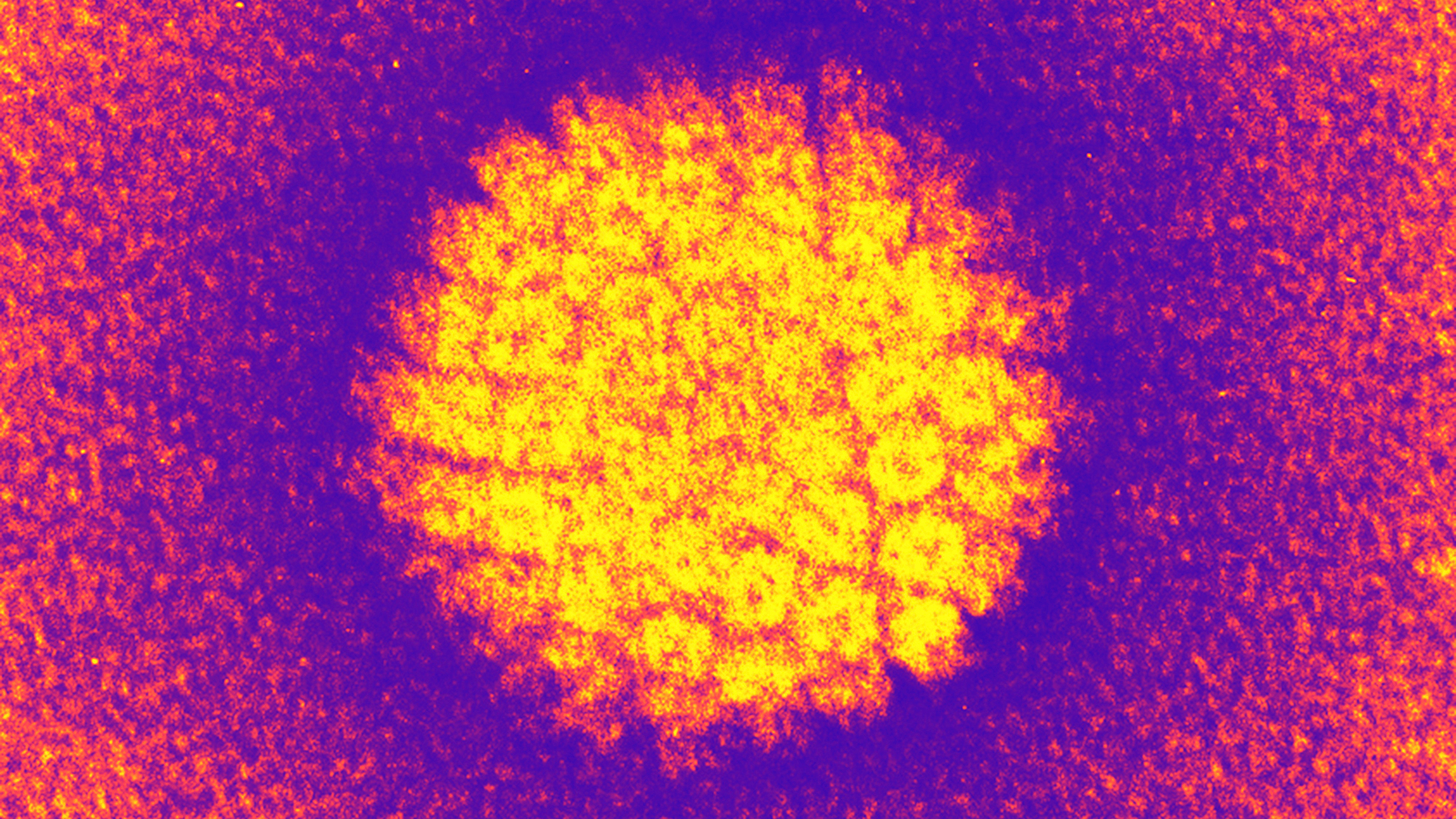
Why HPV-Related Throat and Mouth Cancers Are Rising in Men
While cervical cancer rates are plummeting globally due to successful vaccination initiatives, a distinct epidemiological shift is underway: human papillomavirus (HPV) is driving a significant rise in oropharyngeal cancer, particularly among men. Data from the U.S. Centers for Disease Control and Prevention (CDC) indicates that approximately 13,600 HPV-associated oropharyngeal cancers are diagnosed in men annually, compared to 2,400 cases in women. This trend highlights a complex public health challenge where the virus, once primarily associated with gynecological oncology, now presents a dominant risk for throat and mouth cancers in male populations.
- HPV-related oropharyngeal cancer is now more prevalent in men than cervical cancer is in women, with cases tripling in recent decades.
- Unlike cervical cancer, there is no standardized, non-invasive screening protocol for the back of the throat, often leading to later-stage diagnosis.
- Vaccination remains the most effective preventive measure; however, clinical efficacy is highest before initial viral exposure, prompting calls for expanded immunization discussions for adults up to age 45.
The Biological Mechanism of HPV Pathogenesis
HPV represents a diverse group of viruses, but high-risk strains—most notably types 16 and 18—are responsible for the majority of oncogenic transformations. The virus infects the squamous epithelial cells of the oropharynx, often entering through microscopic lesions in the mucosal lining. According to the National Cancer Institute, while approximately 80% of sexually active adults will contract HPV at some point, most immune systems clear the infection within 24 months. In a subset of the population, the virus persists, causing DNA damage that can turn cells cancerous.
Epidemiological Drivers of Male Susceptibility
The disproportionate impact on men suggests specific physiological and behavioral variables. Epidemiological research conducted in Baltimore suggests that men exhibit a higher prevalence of oral HPV infections and are statistically slower to clear these infections than women. This delayed viral clearance may be attributed to inherent immunological differences in the oropharyngeal environment. Furthermore, the rise in cases is most pronounced in middle-aged and older men—a demographic cohort that reached sexual maturity prior to the 2006 introduction of the Gardasil vaccine. For these individuals, the current cancer diagnosis is often the result of a chronic, asymptomatic infection acquired decades ago.
Diagnostic Limitations and Clinical Management
Unlike cervical cancer, which benefits from the high sensitivity of Pap smears and HPV DNA testing, oropharyngeal cancer lacks a comparable screening modality. Dr. Diane Harper, an HPV expert at the University of Michigan Medical School, notes that the anatomical location of these tumors—typically at the base of the tongue or in the tonsillar crypts—renders standard swabbing or biopsy techniques impractical and clinically non-viable for routine screening. Consequently, patients frequently present with symptomatic indicators, such as persistent dysphagia or a palpable neck mass. Despite the late-stage presentation, the prognosis remains favorable; HPV-positive oropharyngeal cancers generally exhibit a 85% to 90% five-year disease-free survival rate, significantly higher than that of smoking-related head and neck cancers.
Preventive Strategies and Vaccination Guidance
The current standard of care emphasizes primary prevention through vaccination. While the FDA has approved the vaccine for individuals aged 9 to 45, clinical guidelines prioritize administration before the onset of sexual activity. For adults aged 26 to 45 who remain unvaccinated, the clinical utility of the vaccine depends on individual risk factors, including sexual history and the likelihood of future exposure. Because the vaccine is prophylactic rather than therapeutic, it does not eradicate existing infections. Patients seeking to evaluate their individual risk profile or discuss the potential benefits of late-adult vaccination should consult with a healthcare provider.
The Future of HPV Oncology
As international health bodies track the long-term impact of widespread immunization, the medical community anticipates an eventual decline in oropharyngeal cases, mirroring the success observed in cervical cancer prevention. Current clinical trials continue to investigate the efficacy of single-dose regimens for younger adolescents, which may further improve vaccine uptake and public health coverage. Until these generational shifts manifest in reduced incidence rates, clinical vigilance regarding persistent throat symptoms remains the most effective tool in mitigating morbidity.
Disclaimer: The information provided in this article is for educational and scientific communication purposes only and does not constitute medical advice. Always consult with a qualified healthcare provider regarding any medical condition, diagnosis, or treatment plan.