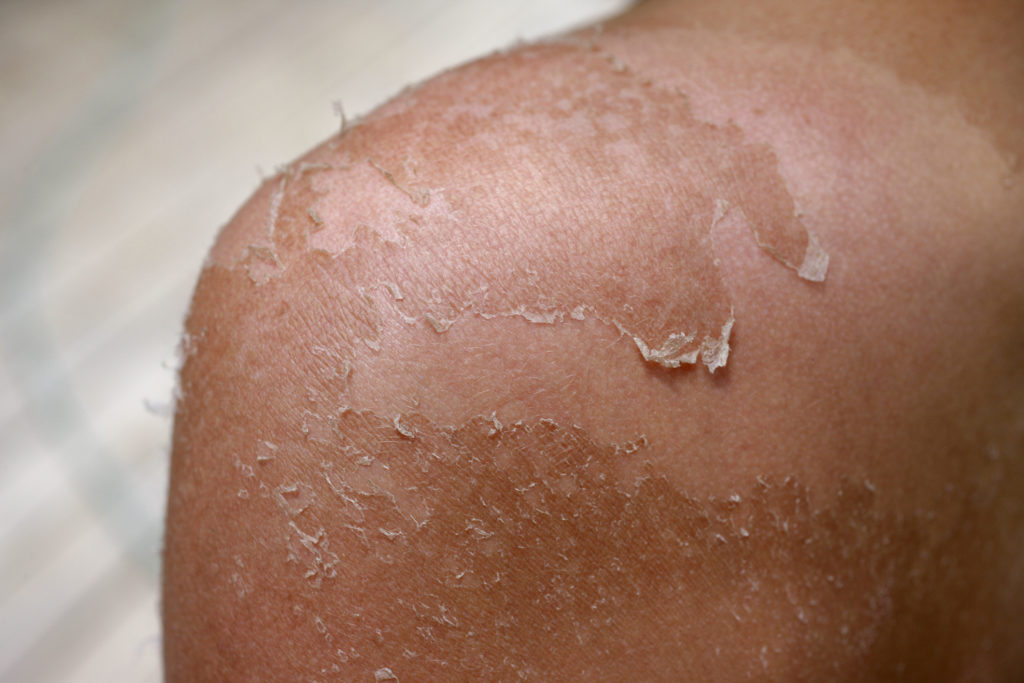
Severe Sunburns May Cause Cancer: Blisters Indicate DNA Damage
Severe sunburns are not merely transient inflammatory responses; clinical evidence confirms they induce direct DNA damage, significantly increasing the long-term risk of malignant melanoma and non-melanoma skin cancers. Medical consensus, supported by data from the World Health Organization (WHO) and the International Agency for Research on Cancer (IARC), identifies ultraviolet (UV) radiation as a Group 1 carcinogen, capable of causing permanent genomic instability in epidermal cells.
Key Clinical Takeaways:
- Sunburns that result in blistering signify deep tissue damage, indicating that the skin’s DNA repair mechanisms have been overwhelmed.
- Cumulative UV exposure is directly correlated with the pathogenesis of basal cell carcinoma, squamous cell carcinoma, and melanoma.
- Protective measures, including broad-spectrum SPF 30+ application and physical barriers, remain the primary clinical recommendation for mitigating oncological risk.
The Pathogenesis of UV-Induced DNA Damage
When skin is exposed to high-intensity UV radiation, specifically UVB rays, the energy is absorbed by cellular DNA, primarily resulting in the formation of cyclobutane pyrimidine dimers (CPDs). These lesions disrupt the double-helix structure of the genetic code. According to research published in Nature Communications, these mutations can persist even after the visible erythema—the redness and heat associated with a sunburn—has subsided. When the rate of DNA damage exceeds the capacity of the cell’s nucleotide excision repair (NER) pathways, cells may undergo apoptosis. If the damaged cells survive and replicate, they harbor potentially oncogenic mutations.
“The formation of blisters is a clinical marker that the epidermis and the underlying dermis have sustained significant thermal and radiation-induced injury,” notes Dr. Elena Rossi, a clinical dermatologist. “At this stage, the inflammatory cascade is systemic, and the risk of permanent genomic alteration is statistically significant.”
Epidemiological Links to Malignancy
The correlation between blistering sunburns in childhood or adolescence and the later development of melanoma is well-documented in longitudinal studies. Data from the American Academy of Dermatology indicates that experiencing five or more blistering sunburns during youth increases an individual’s lifetime risk of developing melanoma by approximately 80%. This is not an immediate manifestation; the latency period for UV-induced carcinogenesis can span decades, involving complex interactions between environmental exposure and individual genetic susceptibility.
Patients who possess a high density of nevi or a family history of skin cancer should adopt a rigorous surveillance strategy. For those concerned about suspicious lesions or cumulative sun damage, it is essential to consult with a board-certified dermatologist for a baseline dermoscopic evaluation. You can locate vetted specialists through our Global Directory of Dermatological Surgeons and Oncology Centers to schedule a preventative screening.
Mitigation Strategies and Clinical Standards
The clinical standard of care for preventing UV-related morbidity centers on a multi-layered approach. While sunscreen is a foundational tool, its efficacy is often compromised by inadequate application—specifically, the failure to reapply every two hours or the use of insufficient quantities. Research suggests that most individuals apply less than half of the recommended 2mg/cm² required to achieve the labeled SPF rating.
Beyond topical protection, the use of UPF-rated clothing and the avoidance of peak solar intensity (typically between 10:00 AM and 4:00 PM) are critical. For individuals working in high-exposure environments or those managing post-surgical skin recovery, specialized protective gear and advanced barrier creams are often required. Organizations seeking to implement corporate health wellness programs regarding UV safety should engage with Occupational Health and Safety Consultants to ensure compliance with current dermatological safety standards.
Future Trajectory of Research
Current research efforts are shifting toward the development of DNA-repair enzymes that can be delivered topically to accelerate the correction of UV-induced mutations. While these therapies remain in experimental stages, the focus remains on early detection and preventative behavior modification. As the incidence of skin cancer continues to rise globally, the integration of AI-assisted diagnostic imaging for early lesion detection is becoming a standard feature in high-volume clinics. Patients seeking access to the latest diagnostic technologies for skin health should prioritize facilities that utilize digital mole mapping and reflectance confocal microscopy. Consult with our Diagnostic Imaging and Referral Directory to find centers equipped with these advanced screening modalities.
Disclaimer: The information provided in this article is for educational and scientific communication purposes only and does not constitute medical advice. Always consult with a qualified healthcare provider regarding any medical condition, diagnosis, or treatment plan.