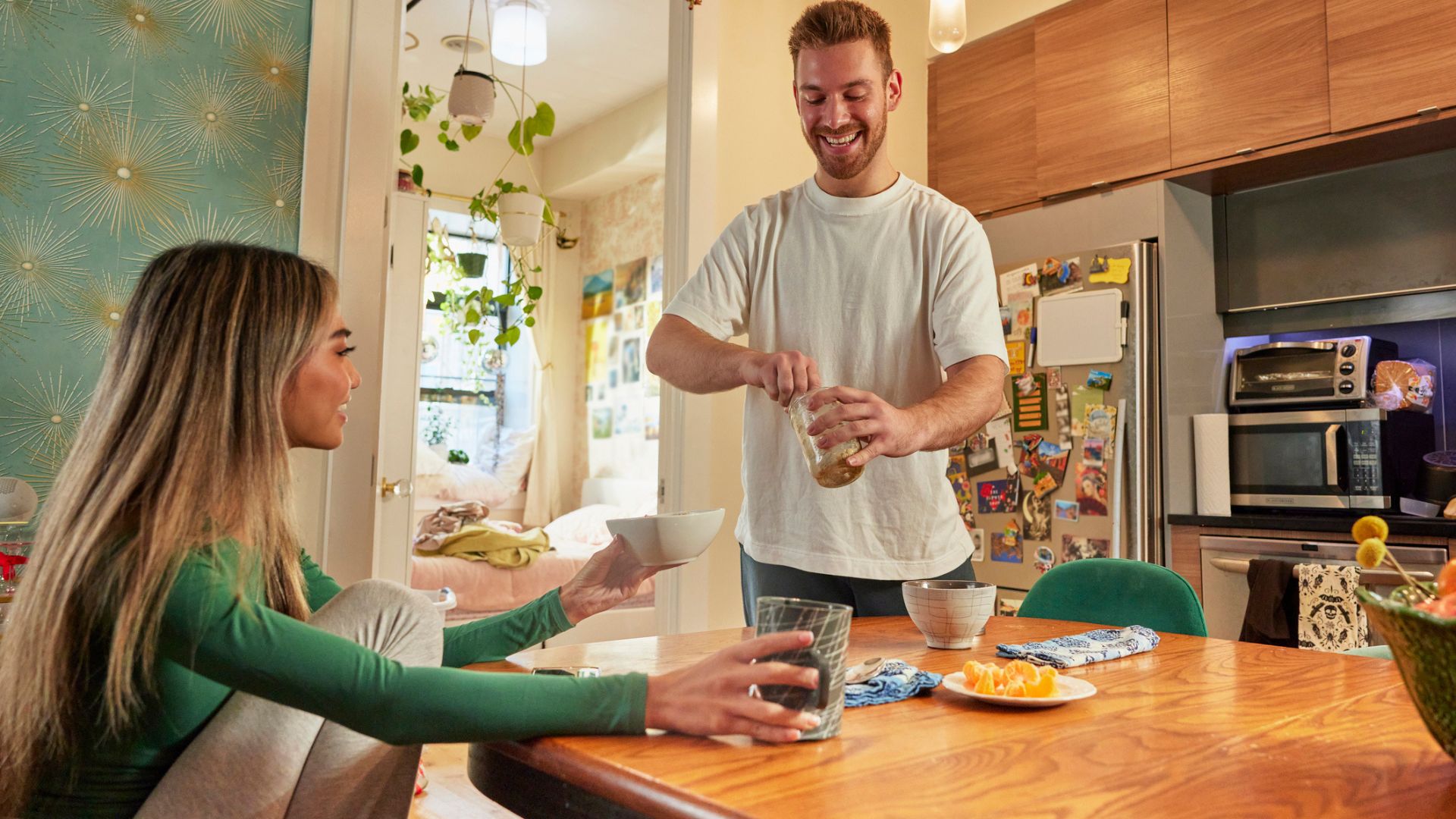
How Social Closeness and Roommates Influence Your Gut Bacteria
The biological boundary between individuals is far more porous than clinical tradition once suggested. Recent evidence indicates that the human microbiome is not merely a product of individual diet and genetics, but a shared ecological resource influenced heavily by those with whom we share a living space.
Key Clinical Takeaways:
- Social proximity and cohabitation facilitate the direct exchange of intestinal flora between roommates and partners.
- Genetic factors from a cohabitant may actively shape the composition and health of another person’s gut bacteria.
- The microbiome is a dynamic system influenced by environmental social closeness, suggesting that domestic surroundings are a critical determinant of gut health.
For decades, the medical community viewed the gut microbiome as a largely internal ecosystem, shaped by the host’s genetics and dietary intake. However, the emergence of data regarding the “social microbiome” reveals a complex interplay of microbial transfer. The realization that we share our intestinal flora with roommates shifts the clinical perspective from a closed-system model to an open-system model of human biology. This suggests that the pathogenesis of certain gut-related conditions may not be solely an individual failure of homeostasis but a reflection of the shared microbial environment.
The Genomic Influence of Cohabitants on Microbial Architecture
One of the most striking revelations in recent research is the role of a partner’s or roommate’s DNA in shaping the gut bacteria of another. This suggests a mechanism where the genetic makeup of one individual influences the microbial landscape of another, potentially through the shedding of biological markers or the creation of a shared environmental niche. When two people live in close proximity, the continuous exchange of microorganisms creates a symbiotic loop. The genetic predispositions of one person may facilitate the survival of specific bacterial strains that then colonize the other person’s gut.

This genetic shaping is particularly evident in partners, where the intimacy of the relationship correlates with a higher degree of microbial similarity. The implication is that our biological identity is partially outsourced to our social circle. From a clinical standpoint, this complicates the standard of care for treating dysbiosis. If a patient is attempting to correct a microbial imbalance whereas living with an individual whose genetic or microbial profile reinforces that imbalance, the efficacy of probiotic or dietary interventions may be compromised.
“We too share our intestinal flora with our roommates,” highlighting a fundamental shift in how we understand the transmission of commensal bacteria within domestic settings.
For individuals struggling with chronic gastrointestinal distress or inflammatory markers, understanding these external influences is paramount. It is often necessary to move beyond simple dietary changes and evaluate the broader environmental context. Patients experiencing these symptoms are encouraged to consult board-certified gastroenterologists to determine if their microbial profile is being influenced by external environmental factors or genetic predispositions.
Social Closeness as a Vector for Bacterial Exchange
The exchange of gut bacteria is not a random occurrence but is driven by the degree of social closeness. The more intimate the relationship and the closer the living quarters, the more pronounced the sharing of intestinal flora becomes. This transfer occurs through various vectors—shared surfaces, air, and direct physical contact—which allow bacteria to migrate from one host to another.
This phenomenon transforms the home into a microbial hub. While the exchange of beneficial bacteria can support the immune system and improve overall wellness, the same pathways can facilitate the spread of opportunistic pathogens. The biological reality is that the gut is not an isolated organ but a reflection of the shared space. This interconnectedness means that the health of one individual’s microbiome can potentially “buffer” or “burden” the microbiome of their cohabitant.
Managing this exchange requires a sophisticated approach to wellness. Because the microbiome is so sensitive to external genetic and social inputs, personalized nutrition must account for the household environment. Those looking to optimize their gut health through targeted interventions should seek the guidance of clinical nutritionists who specialize in microbiome modulation and environmental health.
Clinical Implications for Public Health and Personalized Medicine
The finding that roommates influence gut bacteria for solid—or potentially for ill—opens new avenues for public health strategies. If we can identify the specific bacterial strains that are shared between healthy cohabitants, there is a theoretical possibility of utilizing social networks to propagate beneficial flora. This moves the conversation from individual supplementation to a community-based approach to microbial health.

However, this also introduces a regulatory and diagnostic challenge. Current diagnostic tools often analyze the microbiome in a vacuum. A more comprehensive approach would involve “household mapping,” where the microbial profiles of all cohabitants are analyzed to identify the source of specific imbalances. This would allow for a more precise application of targeted therapies, reducing the morbidity associated with recurrent gut infections or chronic inflammation.
As we move toward a more genomic-centric model of healthcare, the intersection of social environment and DNA becomes a critical point of analysis. For those navigating the complexities of genetic influences on health, including how their own DNA or the DNA of their partners may be affecting their biological systems, consulting licensed genetic counselors can provide necessary clarity on hereditary and environmental risks.
The trajectory of this research suggests that the future of medicine will be less about the “individual patient” and more about the “patient’s ecosystem.” By recognizing that our roommates and partners are active participants in our internal biological processes, healthcare providers can develop more holistic and effective treatment protocols. The domestic environment is no longer just a backdrop for health—it is a primary driver of the biological mechanisms that sustain us.
Disclaimer: The information provided in this article is for educational and scientific communication purposes only and does not constitute medical advice. Always consult with a qualified healthcare provider regarding any medical condition, diagnosis, or treatment plan.