How Quality Seeds Boost Resilient Food Systems & Global Health
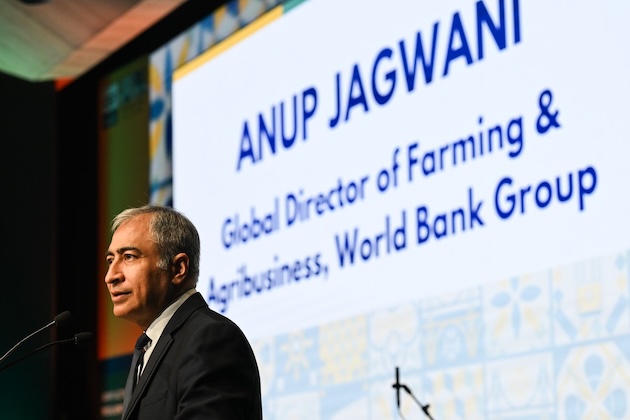
On May 26, 2026, Lisbon became the epicenter of a global food systems reckoning as experts gathered to dissect the critical link between seed quality, agricultural resilience, and public health. The revelation? That the nutritional foundation of our food—starting with the seed—is under siege from climate volatility, corporate consolidation, and regulatory gaps. What began as a technical discussion in Portugal’s capital now threatens to unravel food security chains from Latin America’s breadbaskets to Sub-Saharan Africa’s drought-prone regions, where 60% of smallholder farmers rely on seed systems already strained by erratic weather patterns.
Why Seed Quality Is the Silent Crisis No One’s Talking About
The problem isn’t just yield. It’s hidden malnutrition. A seed’s genetic integrity determines not only how much a crop produces but also its micronutrient density—vitamin A in maize, zinc in wheat. When seeds are degraded through monoculture farming or corporate patenting of hybrid varieties, entire populations face silent deficiencies. The World Health Organization estimates that micronutrient deficiencies contribute to nearly 2 billion cases of illness annually. Yet, the seed supply chain—often controlled by just three multinational agribusinesses—operates with minimal transparency on genetic modification practices.
“We’re not just talking about food scarcity. We’re talking about generational health decline. A child born today in a seed-dependent region may never develop the immune resilience of their grandparents—not because of poverty, but because the soil itself is being starved of nutritional diversity.”
Where the Cracks Are Showing: Three Regions on the Brink
- Southern Africa: Climate models predict a 40% reduction in maize yields by 2035 if seed banks aren’t diversified. FAO data reveals that 75% of subsistence farmers here use seeds saved from previous harvests—seeds already compromised by drought and fungal resistance.
- Central America: Honduras and Guatemala, where 90% of corn is heirloom varieties, face legal battles over patented hybrid seeds that outperform but erode biodiversity. Local cooperatives report a 30% drop in seed-saving knowledge among youth.
- South Asia: India’s Green Revolution legacy looms large—80% of rice and wheat now comes from a handful of high-yield but nutrient-poor varieties. The NITI Aayog’s 2025 report warns that soil degradation could reduce agricultural GDP by $12 billion annually by 2040.
The Regulatory Vacuum: Who’s Accountable?
Here’s the paradox: Seed quality is a public health issue, but no single agency regulates it as such. The WTO’s Agreement on Agriculture governs trade but not nutritional standards. The FAO’s seed guidelines are voluntary. Even the EU’s Farm to Fork Strategy, hailed as progressive, lacks teeth on seed diversity mandates.
“The EU’s rules on seed certification focus on germination rates and pest resistance, not micronutrient content. That’s like inspecting a car for its engine but ignoring the brakes—until it’s too late.”
The Hidden Costs: When the System Fails, Who Pays?
| Impact Area | Direct Cost (Annual) | Indirect Cost (Healthcare + Lost Productivity) | Regional Example |
|---|---|---|---|
| Crop Yield Loss | $8–$12 billion | $25–$40 billion | India (rice/wheat) |
| Malnutrition-Related Illness | $5–$7 billion (direct healthcare) | $30–$50 billion (child development) | Sub-Saharan Africa (maize) |
| Seed Monopoly Enforcement | $1–$3 billion (legal battles) | $10–$15 billion (farmer debt) | Central America (corn patents) |
Source: Compiled from FAO, WHO, and regional agricultural ministries (2026).

Solutions in the Seed: Three Pathways Forward
This isn’t a call for a return to the past. It’s a demand for systems that work in the present. Here’s how:
- Decentralized Seed Banks: Community-led genetic repositories in agricultural cooperatives can preserve biodiversity while adapting to local climates. BioDiversity International has documented a 30% increase in crop resilience where these exist.
- Nutrient-Mapping Regulations: Governments must mandate that seed certification include micronutrient profiles. Food safety law firms specializing in agricultural regulation are already advising municipalities on drafting these clauses.
- Corporate Accountability Frameworks: The OECD’s Due Diligence Guidance could be expanded to include seed genetic integrity. Multinationals like Bayer and Syngenta would face liability for nutritional harm—a legal precedent that could force transparency.
The Lisbon Pledge: A Test for Global Leadership
As delegates adjourned in Lisbon, the Global Seed Resilience Pact emerged—not a binding treaty, but a moral compass. The question now is whether it translates into action. The UN’s 2026 Food Systems Summit will either cement this as a priority or bury it under geopolitical inertia.
For those on the ground, the clock is ticking. Farmers in agricultural extension services are already reporting a 20% rise in requests for seed diversity training. Municipalities in drought-prone zones are scrambling to secure emergency seed reserves. And in boardrooms, sustainability consultants are advising agribusinesses to pivot before regulators force their hand.
The seed is the first domino. The rest will follow.