
Mamdani‘s Victory Signals New Political Force in New York City
New York,NY – Zohran Mamdani’s decisive victory in the mayoral race is being attributed to a highly effective grassroots campaign that mobilized previously underrepresented voters,particularly within the Muslim and South Asian communities. Mamdani, in his Tuesday victory speech, declared, “My brother, we are in City Hall now,” signaling a shift in New York City’s political landscape.
The campaign’s success wasn’t accidental.It leveraged lessons learned from Mamdani’s previous experience expanding his base in Bay Ridge, Brooklyn, and strategically engaged key demographics through targeted outreach and a strong stance on international issues. This resulted in a surge of voter turnout and a coalition that propelled him to Gracie Mansion.
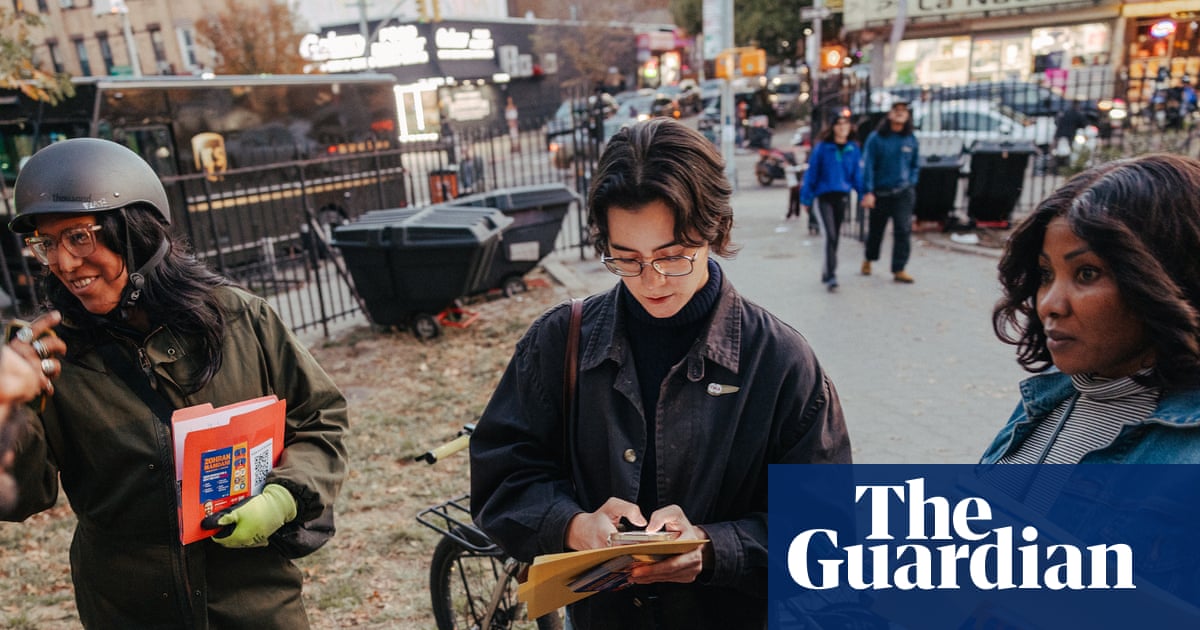
A key element of Mamdani’s strategy was a robust field operation that released campaign materials in Urdu, Bangla, and Spanish. This, combined with a meaningful canvassing effort, directly addressed Muslim and South Asian voters across the city. A pivotal factor driving this engagement was Mamdani’s outspoken condemnation of Israel’s war in Gaza as a genocide.
Mohamed Gula of Emgage, a Muslim civic engagement group that supported Mamdani, estimates that voter turnout among New York City’s 380,000 registered Muslim voters likely doubled on Tuesday, rising from 22% participation in the previous mayoral election four years ago. “So many Muslims have been inspired by Zohran’s campaign. It speaks to a new wave of muslims who are proud of america being their home,” Gula stated.
Looking ahead, Mamdani’s team is focused on sustaining the momentum generated by the campaign.they are actively considering how to utilize the extensive volunteer network and energy to resist the influence of Donald Trump and the “Maga” movement. mamdani is reportedly determined to avoid the fate of Barack Obama’s 2008 campaign, where a similar surge of volunteer energy largely dissipated after taking office.
The outcome of this election is already prompting analysis of the neighborhoods and demographic groups that contributed to Mamdani’s win, with the expectation that these insights will inform future strategies for progressive political organizing. Observers anticipate further developments as Mamdani’s “army” of volunteers continues to play a role in the city’s political future.
