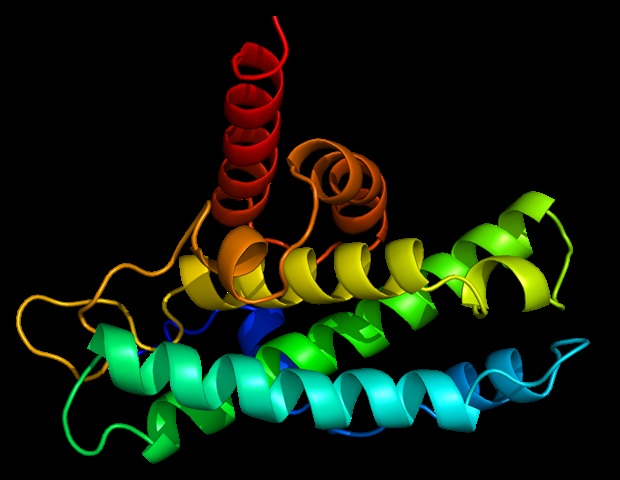
How E-Cadherin Glue Protein Helps Clear Dead Cells and Form Tissue Junctions
Northwestern Medicine investigators have uncovered new insights into how cellular “glue” operates to facilitate interactions between cells. Published in Nature Communications, the study details how structural proteins assemble prior to direct cell-to-cell contact.
- Cellular “glue” proteins, specifically E-cadherin, form many small cytoskeleton-bound “pre-junctions” on the surface of their membranes before cells make connections via adherens junctions.
- These pre-junctions assemble via the polymerization of the E-cadherin interacting protein alpha-catenin along cytoskeleton filaments.
- The damaging of cell-cell communications is behind skin disease such as eczema, and cell-cell adhesion disease can contribute to cancer and other autoimmune disease.
Mapping the Mechanics of E-Cadherin and Pre-Junctions
To communicate and transfer cellular cargo, cells within tissues link together by fusing their cytoskeletons and cell membranes. These connective structures, known as adherens junctions, play important roles in tissue development and renewal, but remain poorly understood. According to Sergey Troyanovsky, PhD, professor of Dermatology, of Cell and Developmental Biology and senior author of the study, a fundamental question drove the research. “What we have studied here, in simple words, is the glue that connects cells,” Troyanovsky explained via Northwestern Medicine News Center. “One of the basic questions here was: ‘What’s first? The two cells make contact and then intracellular machinery responds, or vice versa?'”
To answer this, Troyanovsky and members of his laboratory observed the formation of adherens junctions in cultured cells using specifically designed mutated cell lines. These specialized lines allowed investigators to detect early steps of interaction between the cytoskeleton and E-cadherin, the cellular glue protein. The team discovered that before cells make connections via adherens junctions, they create many small, cytoskeleton-bound pre-junctions on the surface of their membranes. When contact with other cells is made, these pre-junctions begin to mature and form true adherens junctions.
Cytoskeletal Polymerization and Disease Pathogenesis
The investigators further determined that these pre-junctions form through the polymerization of an E-cadherin interacting protein, alpha-catenin, along cytoskeleton filaments. This structural assembly sheds new light on basic cellular processes occurring across a wide array of bodily tissues. Understanding the breakdown of these adhesive properties provides a clearer window into clinical pathology, according to Troyanovsky, who is also a member of the Robert H. Lurie Comprehensive Cancer Center of Northwestern University. “Understanding this process brings us closer to understanding what is going wrong in different diseases,” Troyanovsky stated. “For example, the damaging of cell-cell communications is behind skin disease such as eczema, and cell-cell adhesion disease can contribute to cancer and other autoimmune disease.”

Building on these findings, the research team—which included Regina Troyanovsky, PhD, a research associate in the laboratory and first author of the study—plans to investigate how other types of junctions form. The work indicates that cells may use several other strategies to build similar adhesion structures. The study itself was supported by National Institute of Health Grants AR070166 and GM148571.
Disclaimer: The information provided in this article is for educational and scientific communication purposes only and does not constitute medical advice. Always consult with a qualified healthcare provider regarding any medical condition, diagnosis, or treatment plan.