How a Recent Israeli Strike on Beirut Threatens an Iran-US Peace Deal
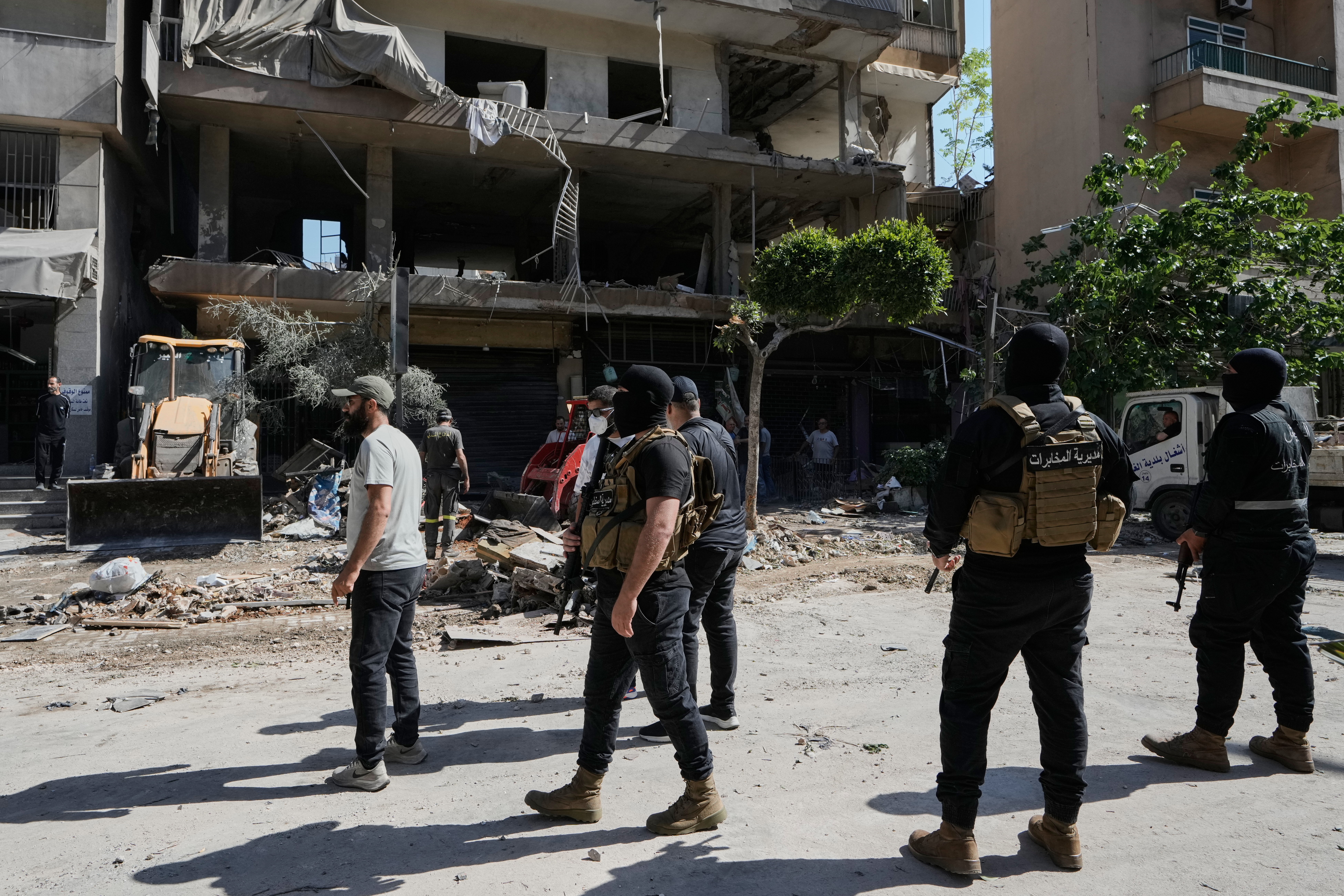
Iran’s parliament speaker Mohammad Bagher Ghalibaf threatened to terminate peace negotiations with the United States on June 14, 2026, following an Israeli airstrike in Beirut’s southern suburbs. The strike, which killed three people, prompted President Donald Trump to criticize the military action while signaling that a potential peace deal remains stalled.
The Diplomatic Fallout of the Beirut Strike
The geopolitical equilibrium currently teetering on the edge of a formal agreement faces immediate collapse after the June 14 strike. According to the Associated Press, the Israeli military confirmed it targeted a Hezbollah command center in Dahiyeh in response to aerial targets launched toward Israel. Iran, viewing the escalation as a breach of the implicit terms governing the ongoing, high-stakes peace talks, has signaled a total withdrawal from the process.

Mohammad Bagher Ghalibaf, acting as Iran’s lead negotiator, utilized the platform X to declare that the strike demonstrated a failure of U.S. influence or intent. “If you do not have the will or the ability to fulfil your commitments, then there is no point in talking about continuing down this path,” Ghalibaf stated. This rhetoric complicates the “electronic signing” of a deal that Pakistani Prime Minister Shehbaz Sharif claimed was within 24 hours of completion.
Market Volatility and the Strait of Hormuz
The entertainment and media sectors, while often insulated from direct kinetic conflict, remain tethered to the global energy markets that dictate corporate bottom lines. The proposed peace deal, as outlined by President Trump on Truth Social, hinges on the reopening of the Strait of Hormuz—a vital maritime artery for global oil supply. Sustained conflict in the region has caused a spike in energy prices, impacting the overhead of production houses and global logistics firms responsible for the physical transport of film equipment and location-based sets.

According to reporting from Axios, the first phase of the agreement involved a 60-day Memorandum of Understanding. This document would have theoretically normalized oil exports and de-escalated regional tensions. The failure to secure this agreement forces studios to reconsider their risk assessment for international location scouting. When geopolitical instability threatens the security of high-budget productions, the immediate recourse for major studios is to engage reputation management and crisis communication firms to mitigate the brand impact of filming in volatile, high-risk zones.
The Breakdown of the Trump-Netanyahu Alliance
The friction between Washington and Jerusalem has become a central narrative in the failure to reach a settlement. Reports indicate an expletive-laden phone call between President Trump and Prime Minister Benjamin Netanyahu earlier this month, where the U.S. leader reportedly labeled the Israeli response to Hezbollah as “crazy” and disproportionate. This public rift highlights a recurring theme in international relations: the inability of a superpower to dictate the tactical military decisions of a subordinate ally.
The human cost of this conflict has been significant. According to the Lebanese Health Ministry, over 3,700 people have been killed, including 132 health workers. Furthermore, Human Rights Watch has documented alleged violations of international law involving the use of white phosphorus in populated areas. For media organizations, these figures represent a significant challenge in maintaining objective coverage while navigating the intense polarization of the digital age.
Production and Distribution in a Conflict Zone
The ongoing war has forced a reassessment of international production schedules. As noted by industry analysts, the “backend gross” and long-term viability of franchises with significant Middle Eastern distribution are increasingly vulnerable to sudden regulatory changes and sudden shifts in consumer sentiment. When a production is caught in the crossfire of international sanctions or regional instability, the role of specialized legal counsel becomes paramount.

Attorneys specializing in international entertainment law are currently working to rewrite force majeure clauses in major production contracts. As the industry faces these logistical hurdles, the reliance on local fixers, regional security contractors, and specialized insurance providers has never been higher. The ability to pivot a production on short notice is no longer a luxury; it is a fundamental requirement for maintaining the financial health of any international media project.
The Future of the Negotiation
Despite the current impasse, the infrastructure for a peace deal remains on the table. The U.S. administration maintains that its objective is to prevent Iran from acquiring nuclear capabilities, a goal Trump reiterated in his recent social media posts. However, the intersection of military action and diplomatic dialogue suggests that the “nuclear dust” and the stability of the Strait of Hormuz are inextricably linked to the military choices made on the ground in Beirut.
As the industry monitors the situation, media executives must prepare for a period of extended volatility. Whether this involves adjusting the geographic focus of global content or re-evaluating the geopolitical risk profiles of future projects, the need for professional, vetted guidance is critical. For those operating within this complex intersection of policy and profit, the World Today News Directory provides access to the necessary legal, security, and PR expertise to navigate these turbulent waters.
Disclaimer: The views and cultural analyses presented in this article are for informational and entertainment purposes only. Information regarding legal disputes or financial data is based on available public records.