Hormuz ship attacks hit record high as Iran escalates, per NBC News
Commercial ship attacks in the Strait of Hormuz hit a record high as Iran escalated strikes on maritime traffic with little U.S. response, NBC News reported.
Surge in Projectile Attacks Sinks Three Ships Near the Strait
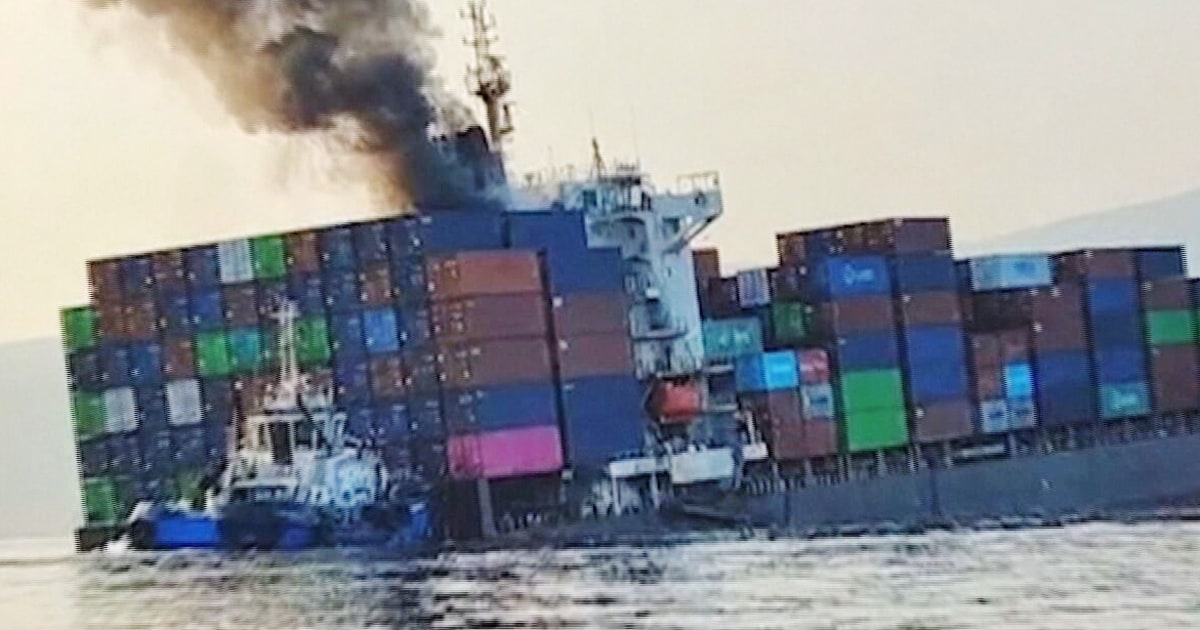
Three commercial vessels have now been sunk since the U.S.-Iran war began, according to maritime casualty data analyzed by Reuters. The Maritime and Port Authority of Singapore confirmed that the Singapore-flagged container ship GFS Pride sank on October 14 after being struck by a projectile while transiting the strait. The Antigua and Barbuda-flagged dry bulk carrier Cape Dao also sank near the waterway weeks after a September 23 missile strike, according to International Maritime Organization data cited by Reuters. Earlier in the conflict, the Maltese-flagged container ship Safeen Prestige was hit by a projectile in March and subsequently sank north of the Strait of Hormuz, Reuters reported.
Iran has stepped up its strikes over a ten-day period, attacking 12 commercial vessels since the beginning of the month, according to data reported by CBN News. Maritime analytics firm Kpler recorded a drop in ship transits to 14 vessels during the peak of the recent attacks, down from 176 the previous week. Dimitris Ampatzidis, maritime risk and compliance manager at Kpler, noted that the strikes demonstrate Tehran’s enduring capacity to threaten commercial shipping beyond oil and gas transit lanes.
As Trump pretends he’s winning, a container ship has sunk near the strait of Hormuz and a second cargo vessel was reportedly sinking amid the sharpest rise in Iranian attacks on shipping since the start of Trump’s pointless war of choice with Iran. https://t.co/kGdaWks1LC
Scavengers Plunder Spilled Cargo as Iran Blames Sea Mines
Following the sinking of the GFS Pride with more than 2,500 containers on board, hundreds of local residents in skiffs and salvage boats fanned out across the Strait of Hormuz to harvest spilled merchandise, including iPhones and French perfume. Footage showed small boats navigating half-submerged containers and towing full-size shipping units through the swell.
The Islamic Revolutionary Guard Corps navy asserted that the Singaporean container ship had strayed onto an unauthorized route and struck a sea mine, triggering the fire that sank the vessel. Singapore authorities stated that all 21 crew members were safely evacuated without injury.
Three FALSE Iranian claims in the past 24 hours: 🚫 CLAIM: The IRGC has continued to falsely claim control of the Strait of Hormuz.✅ FACT: The United States and regional partners control the strait as commercial vessels continue to transit despite unwarranted IRGC… pic.twitter.com/rgpeZ95dvU
Commercial Incentives Keep Shippers Transiting Dangerous Waters
Despite mounting risks, commercial operators continue to sail the perilous waterway driven by strong demand for Middle East energy, according to maritime experts interviewed by CNBC. Collin Koh, a senior fellow at the S. Rajaratnam School of International Studies, told CNBC that shipping companies and Singapore-flagged operators remain willing to run the Hormuz shuttle when financial incentives justify the transit.
The Singapore Shipping Association downplayed the prospect of a total commercial withdrawal from the region, indicating instead that operators would adapt their trading patterns to shifting energy demands.

Iran Targets Vessels to Pressure US Elections
Iranian officials told Reuters that Tehran’s naval forces have intensified targeting against vessels in the strait to keep oil prices elevated and exert pressure ahead of U.S. midterm elections. Iranian army spokesman Brigadier General Mohammad Akraminia tied any future reopening of the Strait of Hormuz to a full U.S. military withdrawal from the region, warning that Iranian forces would otherwise expel American troops.
Brigadier General Akraminia urged shipowners to utilize corridors designated by Iran’s armed forces, claiming vessels using those routes would remain safe. On the other side of the waterway, Iran’s regular navy monitored a fire aboard a tanker in the Gulf of Oman after the vessel allegedly switched off its tracking systems and entered a prohibited zone.