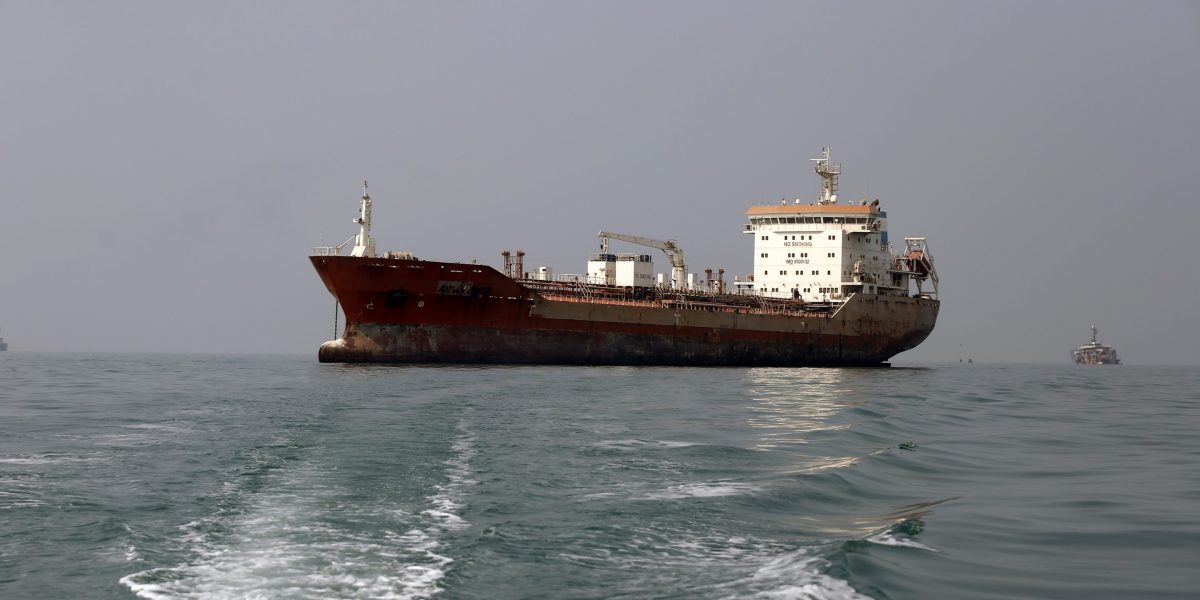
Fortune: Hormuz Tanker Crews Earn $100,000 Monthly in Hazard Pay
Tanker captains transiting the Strait of Hormuz can earn $100,000 a month alongside $50,000 per-trip bonuses as escalating Iranian drone and missile attacks drive shipowners to offer hazard pay to keep Persian Gulf fleets crewed, according to reporting by Fortune.
Hazard Pay and the High Stakes of Gulf Transits
That danger money marks a steep climb from regular monthly pay of about $15,000. Meanwhile, sailors making regular runs through the narrow waterway see their baseline monthly earnings of roughly $1,500 multiplied by at least four to six times. The financial incentives apply broadly to other regional hot spots. Captains and sailors receive double pay in the southern Red Sea amid Houthi attacks on Saudi ships, and in the Gulf of Oman where ship-to-ship transfers take place following Hormuz shuttle runs.
Because many vessels and crews remain dedicated exclusively to these shuttle runs, they face constant exposure to attacks. A source told the Financial Times that crew members tolerating the near-constant threat are almost being viewed as mercenaries. Some unwilling personnel are reportedly facing pressure to stay onboard.
Escalating Freight Rates and Global Tanker Shortages
The human cost matches the financial toll on vessel operators. The International Maritime Organization reports that at least 93 ships have been hit and 24 sailors have been killed since the Iran war started on February 28. Beyond crew wages, shipowners face soaring insurance costs. War risk coverage commands between 6% and 10% of a vessel’s value, translating to as much as $20 million for a supertanker entering the Gulf.
Those cumulative expenses have upended global freight markets. Shipping costs for cargoes crossing the Strait of Hormuz reached a record high of $1.3 million per day, up sharply from last year’s daily rate of $20,000 to $50,000. Shipbroker Gibson noted that hiring a tanker to travel from the United States to China costs about $80 million, eclipsing the $74 million price tag for a standard SpaceX Falcon 9 launch. Brokerage SSY estimated that freight rates have climbed to their highest levels since the advent of the supertanker in the 1960s, even after adjusting for inflation.
High Freight Expenses Erode Oil Refining Margins
The extreme freight expenses have created a global tanker shortage that affects shipping far beyond the Persian Gulf. Commodities traders and oil producers are increasingly evaluating plans to own their own tankers simply to control runaway transport expenses. Yet if freight costs climb further, they threaten to erase the profit margins available from crude oil and refined fuels.
European refiner Repsol saw its margin drop from $36 per barrel in the third quarter to $15 in October, according to analysts at RBC. Continued margin compression could eventually force refiners to scale back the volume of crude they process.
The Threat of Further Regional Escalation
The hazard premium in the Persian Gulf may widen if the security situation deteriorates. Analysts warn that the Iranian regime, confronting an existential threat to its rule, could re-escalate the conflict to reassert control over the maritime oil trade.
Esfandyar Batmanghelidj, founder and CEO of the Bourse & Bazaar Foundation think tank, noted on X late last month that Iran retains the capability to destroy regional oil infrastructure, including drilling and refining capacity. He cautioned that further escalation remains possible if President Donald Trump rejects diplomatic off-ramps.