Hong Kong Genome Project: Genomic Insights for the Chinese Population
The shift from reactive medicine to proactive, precision-based care is no longer a theoretical aspiration. it is a clinical reality being forged through population-scale data. For decades, the global genomic landscape has been skewed by a heavy reliance on European-centric datasets, creating a “genomic gap” that often leaves clinicians with ambiguous results when treating diverse populations. The release of new data from the Hong Kong Genome Project marks a critical inflection point in correcting this ancestral bias.
Key Clinical Takeaways:
- Genomic analysis of over 20,000 participants provides a high-resolution map of clinically relevant genetic variants specific to the Chinese population.
- The study offers a scalable framework for integrating genomic medicine into public health infrastructure, moving beyond isolated research cohorts.
- The findings aim to reduce the prevalence of “variants of uncertain significance” (VUS), directly improving diagnostic accuracy and personalized treatment protocols.
The fundamental problem in modern genomics is not a lack of sequencing technology, but a lack of representative data. When a clinician identifies a mutation in a patient, they must determine if that variant is pathogenic—meaning it causes disease—or a benign polymorphism common within that patient’s specific ethnic group. Without large-scale, population-specific reference panels, many mutations are classified as Variants of Uncertain Significance (VUS). This ambiguity stalls clinical decision-making, prolongs the diagnostic odyssey for patients with rare diseases, and can lead to suboptimal dosing in pharmacogenomics.
Correcting the Ancestral Bias in Genomic Reference Panels
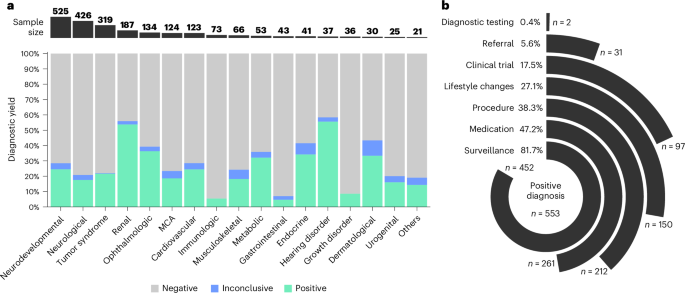
According to the latest research published in Nature Medicine (doi:10.1038/s41591-026-04410-w), the Hong Kong Genome Project has completed genomic analyses of more than 20,000 participants. This scale of data is essential for distinguishing the “noise” of neutral genetic variation from the “signal” of disease-causing mutations. By establishing a robust baseline for the Chinese population, the project enables a more precise understanding of the pathogenesis of common and rare conditions within this demographic.
The biological utility of this dataset extends into the realm of pharmacogenomics—the study of how genes affect a person’s response to drugs. Variations in cytochrome P450 enzymes, for example, can drastically alter the metabolism of everything from anticoagulants to antidepressants. When reference data is derived from a different ancestral group, the standard of care may be based on metabolic rates that do not apply to the patient in question, increasing the risk of adverse drug reactions or therapeutic failure. For patients navigating complex medication regimens, the ability to access precise genetic screening is paramount. It is highly recommended that patients coordinate with board-certified genetic counselors to interpret these genomic markers within the context of their personal and family medical history.
“The integration of population-specific genomic data is the only way to move precision medicine from a luxury service to a global standard of care. Without diverse datasets, we are essentially practicing ‘precision medicine’ for only a fraction of the human race.”
Bridging the Gap Between Sequencing and Clinical Utility
Sequencing a genome is a technical achievement; implementing that data into a clinical workflow is a systemic challenge. The Nature Medicine study emphasizes the implementation of genomic medicine initiatives, highlighting that the transition from laboratory discovery to bedside application requires a total overhaul of traditional triage. This involves not only the technology to sequence DNA but the clinical infrastructure to act upon the findings.
The transition requires a multidisciplinary approach. Molecular pathologists must be able to translate raw sequencing data into actionable reports, and primary care physicians must be trained to integrate genomic risk scores into preventative care. For healthcare systems attempting to adopt these high-throughput genomic workflows, the operational hurdles are significant. Many institutions are currently partnering with specialized molecular diagnostic centers to ensure that the transition from “big data” to “patient data” is seamless and clinically valid.
the scale of the Hong Kong Genome Project brings intense scrutiny to data sovereignty and bioethics. Managing the genomic data of 20,000 citizens requires rigorous adherence to privacy laws and ethical guidelines to prevent genetic discrimination. This regulatory complexity means that healthcare providers and research institutions are increasingly retaining healthcare compliance attorneys to navigate the evolving legal landscape of genomic data storage and patient consent.
Clinical Implications for Morbidity and Preventative Care
The long-term goal of population-scale genomics is the reduction of overall morbidity through early intervention. By identifying high-risk alleles for conditions such as cardiovascular disease, type 2 diabetes, or specific hereditary cancers before symptoms manifest, the healthcare system can shift from a model of “sick care” to true “health care.”

The project’s focus on clinically relevant variants allows for the development of polygenic risk scores (PRS) tailored to the Chinese population. Unlike single-gene mutations, PRS aggregate the effects of thousands of small genetic variations to predict a patient’s susceptibility to complex diseases. When these scores are calibrated against a representative population, they become powerful tools for screening. For instance, a patient with a high genomic risk for early-onset hypertension can be placed on a more aggressive monitoring schedule, potentially preventing a stroke or myocardial infarction through early lifestyle and pharmacological intervention.
To further explore the mechanisms of genomic variation and its impact on global health, clinicians are encouraged to reference the latest guidelines from the World Health Organization (WHO) on genomic surveillance and the peer-reviewed archives of PubMed.
The Trajectory of Genomic Integration
The Hong Kong Genome Project, funded by government-backed initiatives to enhance public health, serves as a blueprint for other regions seeking to democratize precision medicine. The movement toward population-scale sequencing suggests a future where a patient’s genome is a standard part of their electronic health record, updated and referenced throughout their lifetime to guide every prescription and screening interval.
However, the success of this transition depends on the availability of vetted experts who can translate these complex datasets into human-centric care. As we move toward a world of hyper-personalized medicine, the reliance on specialized diagnostics and expert interpretation will only grow. Finding a provider who understands the intersection of population genomics and individual clinical needs is the final, and most important, step in the precision medicine chain.
Disclaimer: The information provided in this article is for educational and scientific communication purposes only and does not constitute medical advice. Always consult with a qualified healthcare provider regarding any medical condition, diagnosis, or treatment plan.