hiPSC-Derived Cardiomyocytes Show Promise for Advanced Heart Failure Treatment
<>
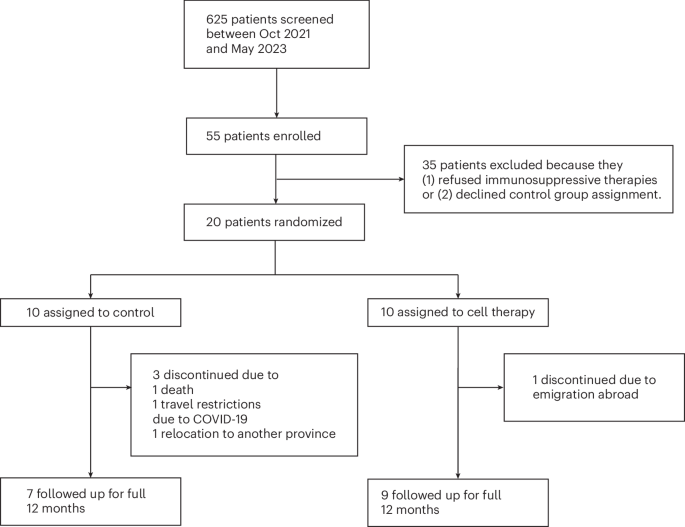
A randomized trial published in the August 19, 2026, issue of Nature Medicine (doi:10.1038/s41591-026-04605-1) reports safety and efficacy results for intramyocardial injection of allogeneic human induced pluripotent stem cell-derived cardiomyocytes (hiPSC-CMs) in patients with advanced ischemic heart failure. The study marks a shift from preclinical proof-of-concept to clinical intervention, requiring patients to maintain a regimen of immunosuppression to prevent graft rejection.
- Researchers successfully administered allogeneic cardiomyocytes directly into the damaged heart muscle of patients with advanced heart failure.
- The trial protocols required chronic immunosuppression to sustain cell engraftment, highlighting a significant trade-off between regenerative potential and patient safety.
- Future development faces regulatory hurdles regarding manufacturing consistency, particularly concerning how differentiation batch variability affects the electrophysiological behavior of these cells.
Advanced ischemic heart failure, characterized by a left ventricular ejection fraction often falling below 25%, represents a clinical state with limited pharmacological solutions. This threshold frequently necessitates consideration for left ventricular assist device (LVAD) implantation or heart transplantation. The current Nature Medicine trial addresses this critical gap by attempting to replace necrotic tissue with functional, lab-grown cardiomyocytes.
Technical Requirements for Myocardial Cell Delivery
The delivery of allogeneic cells into failing myocardium presents distinct procedural challenges compared to intracoronary infusion. While earlier trials, such as the CADUCEUS study at Cedars-Sinai Medical Center and Johns Hopkins, utilized intracoronary delivery of cardiosphere-derived cells, the 2026 study employed direct intramyocardial injection. This approach demands specialized catheterization laboratory infrastructure, real-time imaging for precise targeting, and a highly trained interventional cardiology team.
The necessity of such high-resource settings limits the number of eligible clinical sites for future Phase 2 expansions. For clinicians and medical centers, this operational complexity is a prerequisite for participating in advanced regenerative medicine protocols. Patients or centers seeking to align with these emerging standards should consult with board-certified interventional cardiologists to evaluate current options for refractory heart failure management.
Immune Management and Regulatory Oversight
The transition to allogeneic cell therapy necessitates a rigorous immune management plan. Non-human primate studies documented in PubMed confirm that sustaining hiPSC-derived grafts requires sustained immunosuppressive therapy. In a human clinical population, this creates a secondary risk profile, as heart failure patients already face elevated vulnerability to infection and renal impairment.
Beyond clinical safety, the FDA’s July 2023 draft guidance regarding “Manufacturing Changes and Comparability for Human Cellular and Gene Therapy Products” establishes the regulatory framework for these therapies. Sponsors must demonstrate that scale-up events—from early-stage trials to pivotal studies—do not introduce variability in cell maturity or surface marker expression. Organizations navigating these complex regulatory landscapes should engage healthcare compliance attorneys to ensure their manufacturing protocols meet the evolving standards for biologic licensing applications (BLA).
Future Trajectory of Cardiac Regenerative Therapy
The field is moving toward addressing the specific risks associated with cardiac cell therapy, most notably the potential for ventricular arrhythmias. The 2026 trial design incorporated predefined stopping rules and continuous Holter monitoring to mitigate these risks. While the current data provides a basis for optimism, it also underscores the need for standardized electrophysiology monitoring protocols across all future heart-failure trials.

As this research advances, the integration of regenerative medicine into standard clinical practice will likely depend on the ability to replicate these results in larger, more diverse cohorts. Patients and providers interested in the evolving landscape of cardiovascular regenerative medicine are encouraged to coordinate with specialized cardiovascular research centers that prioritize clinical trial safety and long-term patient monitoring.