
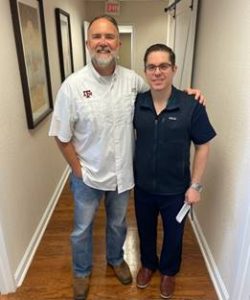
Aortic dissection: Highland Village Officer Survives Rare Heart Condition
Early one morning, Highland Village Police Corporal David Harney was struck by intense shoulder pain that quickly escalated, radiating up his neck. Each heartbeat echoed in his head like a gunshot, signaling a critical medical emergency: an aortic dissection.
officer’s brush with Death
Harney, a 45-year-old father of two, was swiftly airlifted to texas Health presbyterian Hospital in Dallas. Tests confirmed that an aortic aneurysm, a bulge in the artery wall, had led to the life-threatening dissection. The aorta, the body’s largest artery, carries blood from the heart, but excessive force can tear its layers.
Did You Know? Aortic dissection occurs when a tear develops in the inner layer of the aorta,allowing blood to flow between the layers of the artery wall and force them apart.
“Even though I’ve dealt with some critical moments in my career, you can never really be prepared when your own life is in jeopardy,” Harney stated, reflecting on the suddenness and severity of the event.
Emergency Intervention and Collaborative Care
Cardiothoracic surgeon Dr. Andres Leal, part of Texas Health Physicians Group, emphasized the urgency of Harney’s condition. “Unfortunately, when individuals don’t seek medical treatment, most patients die within 24 to 72 hours after the onset of symptoms,” Leal explained.
Aortic dissection is a dire condition, contributing to approximately 13,000 deaths annually in the United States, often necessitating immediate surgical intervention, according to data from the Centers for Disease Control and Prevention (CDC).
Leal and the Texas Health Dallas team performed open-heart surgery, replacing Harney’s dissected aortic root with a mechanical valve and repairing the damaged aorta using a graft. The hospital employs a collaborative approach, integrating insights from various specialists to tailor treatment plans.
Pro Tip: Recognizing the symptoms of aortic dissection-sudden, severe chest or upper back pain-and seeking immediate medical attention can significantly improve survival rates.
A family History
This was not Harney’s first encounter with aortic issues. Thirteen years prior, his father died from a ruptured aorta.This prior experiance gave him a stark understanding of his condition.
Road to Recovery
Harney was discharged seven days post-surgery and underwent three months of cardiac rehabilitation at Texas Health Presbyterian Hospital Denton. He has since adopted a healthier lifestyle, focusing on reducing sodium and fat intake and managing stress.
“I have my good and bad days,but I know this is a process,” Harney said. “I remind myself that I need to let the process work so that I heal well and feel well.”
Back on Duty
After more than 20 years with the Highland Village Police department, Harney has returned to his role as a school resource officer, protecting and mentoring students. He has also embraced new hobbies, including pickleball with his family.
“It’s a sport we get to enjoy with our kids. I even make time for some friendly competition with my wife,” Harney shared. “Since I left the hospital, we haven’t missed an episode of ‘Jeopardy.’ She always beats me, but that’s OK.”
Harney attributes his prosperous recovery to his family,community,and the dedicated team at Texas Health Dallas.
“My son was my motivator and my wife and daughter were incredible caretakers,” Harney said. “I am so blessed and appreciative of the way the nurses, Dr. Leal and so many others took such great care of me.”
Aortic Dissection: Key Facts
| Fact | Details |
|---|---|
| Condition | aortic Dissection |
| Mortality | Without treatment, most patients die within 24-72 hours of symptom onset. |
| Annual U.S. Deaths | Approximately 13,000 |
| Treatment | Emergency surgery, medication, and lifestyle changes |
Understanding aortic Dissection: An Evergreen Perspective
Aortic dissection remains a critical cardiovascular emergency requiring prompt diagnosis and treatment.While advancements in surgical techniques and post-operative care have improved outcomes, awareness and early detection are paramount. The condition involves a tear in the inner layer of the aorta, the body’s largest artery, leading to potential life-threatening complications. Factors contributing to aortic dissection include uncontrolled hypertension, genetic predispositions like Marfan syndrome, and pre-existing aortic aneurysms. Ongoing research focuses on identifying biomarkers for early detection and developing less invasive surgical approaches to enhance patient recovery and long-term survival.
Frequently asked Questions About Aortic Dissection
- What are the long-term effects of aortic dissection?
- Long-term effects can include chronic pain, the need for ongoing medication, and potential for future aortic complications. Regular monitoring is crucial.
- How can I reduce my risk of aortic dissection?
- Managing blood pressure, maintaining a healthy lifestyle, and undergoing regular screenings if you have risk factors can help reduce your risk.
- What should I do if I suspect someone is having an aortic dissection?
- Call emergency services (911 in the US) instantly. Time is critical in treating this condition.
- Are there support groups for people who have experienced aortic dissection?
- Yes, many hospitals and organizations offer support groups for patients and thier families.These groups can provide valuable emotional support and resources.
- What is the role of genetics in aortic dissection?
- Genetic factors play a critically important role in certain specific cases, particularly in individuals with conditions like Marfan syndrome. Genetic testing may be recommended for those with a family history of aortic aneurysms or dissections.
Disclaimer: This article provides general information and should not be considered medical advice. Consult with a healthcare professional for diagnosis and treatment.
What lifestyle changes have you made to improve your heart health? Share your tips in the comments below!
Did this story inspire you? Share it with your friends and family to raise awareness about aortic dissection.
