
Table of Contents
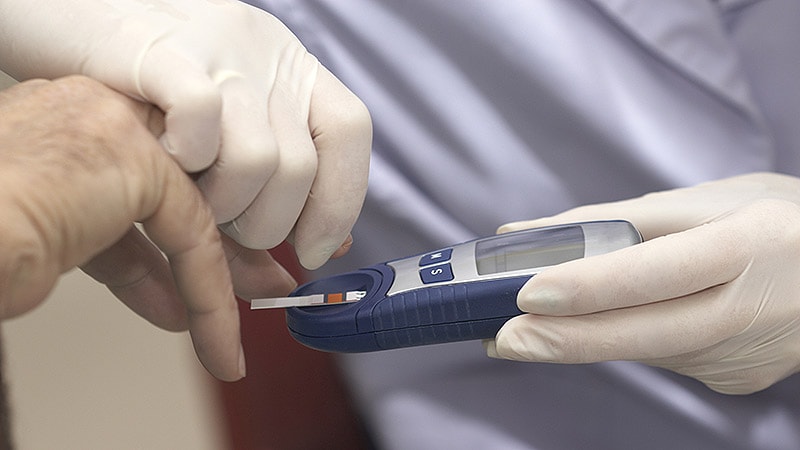
A 69-year-old patient in a skilled nursing facility was diagnosed with acute Hepatitis B in May 2024 after contracting the virus through shared blood glucose monitors, according to a recent report from the U.S. centers for Disease Control and Prevention (CDC). This incident underscores the ongoing risk of bloodborne pathogen transmission in healthcare settings and highlights the critical need for stringent infection control practices.
Inquiry Details and Findings
The patient, who had diabetes but no prior history of Hepatitis B infection or vaccination, resided near another resident with chronic, previously undiagnosed Hepatitis B. Both individuals utilized the same glucose monitoring devices during March and april 2024. An investigation revealed inconsistencies in disinfection protocols between tests, suggesting inadequate cleaning procedures were in place.
Even with adherence to disinfection protocols, the CDC emphasizes that sharing equipment contacting blood carries a residual risk of HBV transmission. This is due to the virus’s resilience and potential for survival on surfaces.Sharing glucometers presents a risk for HBV transmission that can be reduced by routine HBV vaccination of persons with diabetes and dedicating individual glucometers to a single resident,
the CDC stated in its August 7th Morbidity and Mortality Weekly Report.
Did You Know?
Hepatitis B is a viral infection that can cause both acute and chronic liver disease. Approximately 20,000 new hepatitis B infections occur in the United States each year, according to the CDC.
Historical Context of HBV Outbreaks
This recent case isn’t isolated. Between 2008 and 2019, the CDC documented fifteen outbreaks of both Hepatitis B and Hepatitis C viruses in U.S. long-term care facilities stemming from similar practices – the sharing of equipment used for blood glucose monitoring. These outbreaks demonstrate a persistent vulnerability within these facilities.
the Role of Glucometers in Transmission
Blood glucose monitors, or glucometers, are essential tools for diabetes management, but their shared use without proper precautions can facilitate the spread of bloodborne pathogens. The small amount of blood left on the device, even after attempted cleaning, can be sufficient to transmit HBV. The CDC’s findings align with recommendations from the Association for Professionals in Infection Control and Epidemiology (APIC) regarding single-patient-use devices for minimizing infection risk (APIC guidelines).
Pro Tip:
Always verify that healthcare facilities are following strict single-use protocols for devices that come into contact with blood, and advocate for vaccination if you or a loved one is at risk.
CDC Recommendations for Prevention
To mitigate the risk of HBV transmission, the CDC recommends two key strategies: dedicating individual glucometers to each resident and ensuring all individuals aged 60 and older with diabetes receive Hepatitis B vaccination.Vaccination is a highly effective preventative measure against HBV infection.
| Proposal | Rationale |
|---|---|
| Dedicated Glucometers | Eliminates the risk of bloodborne pathogen transmission through shared devices. |
| HBV Vaccination (60+ with Diabetes) | Provides immunity against Hepatitis B infection, reducing susceptibility. |
| Strict Disinfection Protocols | Minimizes residual viral load on surfaces, though not a foolproof solution. |
The CDC concluded that skilled nursing facilities represent an appropriate setting for offering Hepatitis B vaccination, given the elevated risk factors present within these environments. Are current infection control measures sufficient to protect vulnerable populations in long-term care facilities? What additional steps can be taken to enhance safety?
Hepatitis B: A Broader Perspective
Hepatitis B is a important global health concern,affecting millions worldwide. While vaccination programs have dramatically reduced incidence rates in many countries, the virus remains prevalent in certain regions. Chronic Hepatitis B infection can lead to serious complications, including cirrhosis, liver failure, and liver cancer. Understanding the modes of transmission – primarily through blood, semen, or other body fluids – is crucial for prevention. The World health Association (WHO) estimates that approximately 296 million people are living with chronic Hepatitis B infection globally (WHO Hepatitis B Fact Sheet).
Frequently Asked Questions About Hepatitis B and Glucometers
- What is Hepatitis B? Hepatitis B is a viral infection that attacks the liver and can cause acute and chronic disease.
- How is Hepatitis B transmitted? Primarily through contact with infected blood, semen, or other body fluids.
- Can Hepatitis B be prevented? Yes, through vaccination and safe practices like avoiding sharing personal items.
- why are glucometers a risk for Hepatitis B transmission? Sharing glucometers can transfer microscopic amounts of blood between users.
- Who shoudl get the Hepatitis B vaccine? The CDC recommends vaccination for all infants, children, and adults at risk.
- What should I do if I suspect I’ve been exposed to Hepatitis B? Contact your healthcare provider immediately for testing and potential treatment.
Disclaimer: This article provides general details and should not be considered medical advice.Consult with a qualified healthcare professional for any health concerns or before making any decisions related to your health or treatment.
We hope this article has provided valuable insights into the risks of hepatitis B transmission and the importance of preventative measures. Please share this information with your network to help raise awareness and protect vulnerable populations.Have thoughts or questions? Leave a comment below, or subscribe to our newsletter for more breaking health news!
