
German Coalition Aims to Freeze Health and Long-Term care Insurance Contributions
Table of Contents
Germany’s governing coalition has reportedly reached a tentative agreement to maintain current contribution rates for health and long-term care insurance in the coming year. This commitment, signaled by Union faction leader jens Spahn, aims to provide stability for insured individuals, stating, ”We agree that the social security contributions should not increase further – an notable signal for the insured.”
the Challenge of Maintaining Current Rates
Despite the agreement in principle, the path to achieving this freeze remains unclear.Potential solutions under discussion include increased federal funding or the implementation of savings measures. However, a savings law could jeopardize commitments made within the coalition agreement between the Union and the SPD.
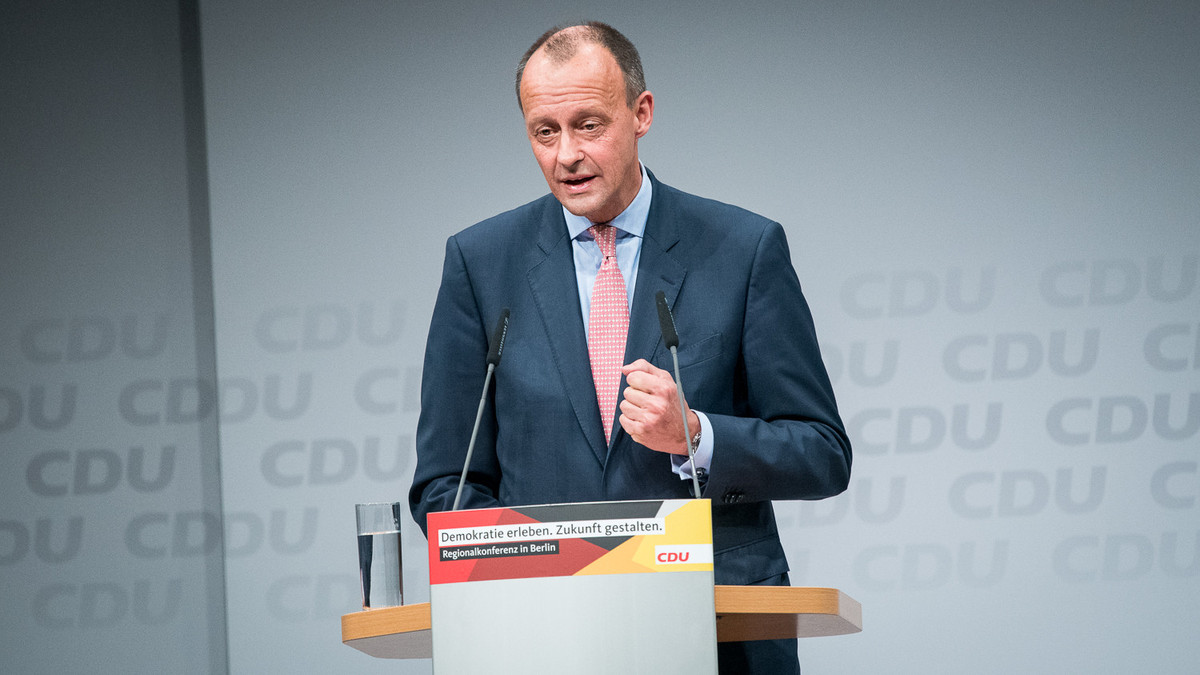
Chancellor Friedrich merz (CDU) emphasized the broader goal of ensuring the long-term viability of Germany’s social security systems. Discussions are underway to address existing deficits within both long-term care and health insurance. Merz stated that measures would be discussed to compensate for these deficits in the coming year.
Budgetary Concerns and Potential Increases
While loans for statutory health insurance are already factored into budget plans for 2025 and 2026, the Ministry of Health has cautioned that these loans may not be sufficient to prevent contribution increases in early 2026. Further improvements during parliamentary consultations are being sought to avert a potential surge in premiums at the beginning of 2025.
Germany’s social security system, a cornerstone of its social welfare state, faces ongoing challenges due to demographic shifts - an aging population and declining birth rates. these trends place increasing strain on the system, necessitating regular adjustments to contribution rates or benefit levels. The current debate reflects a broader European concern about the sustainability of social security in the face of these demographic pressures. Historically, German health insurance contributions have been a subject of political debate, wiht various parties proposing different solutions to ensure affordability and access to quality healthcare.
Frequently Asked Questions
- Will health insurance contributions actually remain frozen?
- The coalition committee has agreed to strive for a freeze, but its success depends on securing additional funding or implementing savings measures. It’s not a guaranteed outcome.
- What are the proposed ways to fund the freeze on contributions?
- Two main options are being considered: increased federal grants to the social security systems, or the implementation of a savings law. The latter is controversial due to potential conflicts with existing coalition agreements.
- Does this agreement affect long-term care insurance as well?
- Yes, the agreement encompasses both health and long-term care insurance contributions, aiming to prevent increases in both areas.
- Are loans already planned to support health insurance?
- Yes, loans are already included in the budget plans for 2025 and 2026, but the Ministry of Health believes they may not be enough to prevent future increases.
- the Ministry of Health has indicated that without further improvements, premium increases could occur as early as the beginning of 2026, tho efforts are underway to avoid a surge in 2025.
- How might a savings law impact the coalition agreement?
- A savings law could possibly break promises made within the coalition agreement between the union and the SPD, creating political friction.
We hope this article provided clarity on the current situation regarding German health and long-term care insurance contributions. We’re committed to bringing you the latest developments as they unfold. If you found this information helpful, please consider sharing it with your network, leaving a comment with your thoughts, or subscribing to our newsletter for more in-depth coverage!
