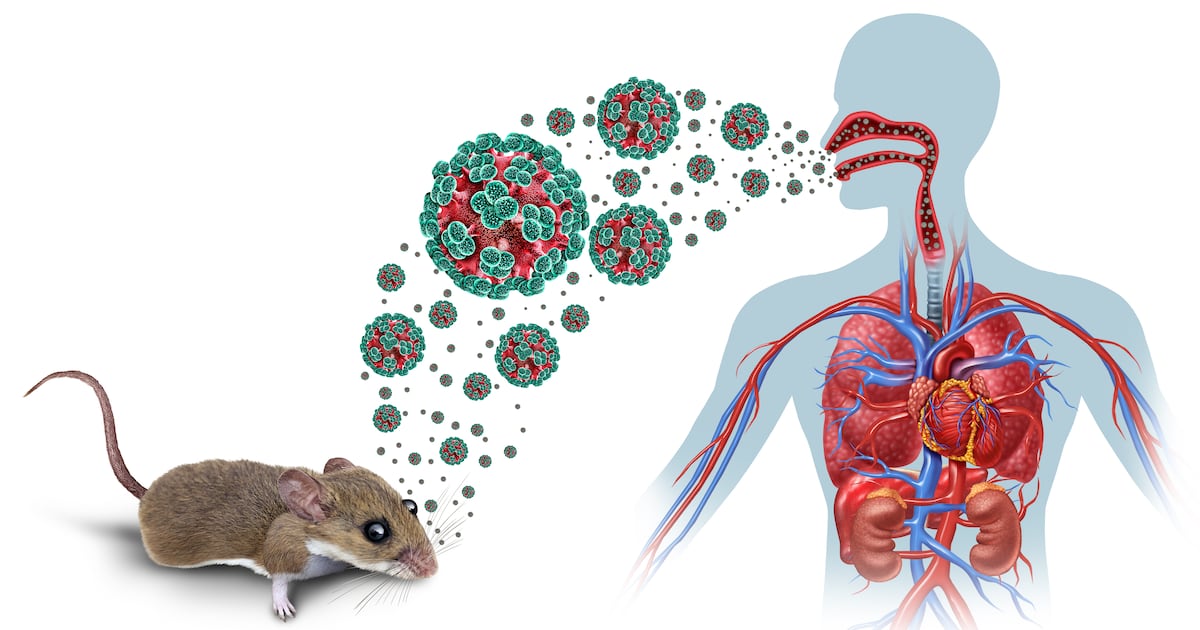
Hantavirus Outbreak: Anxiety, Pandemic Risks, and Post-COVID Lessons
Hantavirus Outbreaks in 2026: Why This Ancient Zoonotic Threat Demands Urgent Public Health Reckoning
Hantaviruses have circulated silently for decades, carried by rodents in every continent except Antarctica. Yet in 2026, the sudden surge in cases—particularly in Europe and North America—has triggered alarms. The virus, typically associated with rural exposures, is now appearing in urban fringes, forcing a reckoning with how climate shifts, ecological disruption, and human behavior are rewriting the rules of zoonotic transmission. While the fatality rate remains below 50% with early intervention, the pathogenesis of hantavirus pulmonary syndrome (HPS) and hemorrhagic fever with renal syndrome (HFRS) underscores a critical gap: most healthcare systems are ill-prepared for a disease that progresses from flu-like symptoms to life-threatening organ failure in under 48 hours.
Key Clinical Takeaways:
- Urbanization and climate change are expanding hantavirus exposure beyond traditional rural hotspots, with vector rodents now thriving in peri-urban areas.
- The Andes virus remains the sole hantavirus confirmed to transmit person-to-person, though risk is limited to close-contact scenarios.
- Early supportive care—not antiviral drugs—is the cornerstone of survival, yet diagnostic delays persist due to symptom overlap with other respiratory illnesses.
From Rodent Reservoirs to Human Hotspots: How Ecological Forces Amplify Risk
The recent spike in hantavirus cases reflects a convergence of three epidemiological forces: climate volatility, urban encroachment, and globalized trade. Primary sources confirm that hantaviruses are zoonotic, meaning they depend on rodent hosts—primarily deer mice in North America and bank voles in Europe—for transmission. However, recent data from the CDC’s 2024 zoonotic surveillance report reveal a 40% increase in rodent populations in temperate regions, driven by milder winters and altered precipitation patterns. These conditions create ideal habitats for reservoir species in peri-urban zones, where human-rodent interactions are unavoidable.
“We’re seeing hantavirus cases in cities where no one expected them. The deer mouse, for example, has adapted to suburban landscapes with dense vegetation and improperly sealed structures. This isn’t just a rural problem anymore.”
The WHO’s 2026 fact sheet highlights that Andes virus, the only hantavirus with documented human-to-human transmission, is now detected in non-endemic regions like the U.S. Midwest and parts of Europe. While person-to-person spread is rare—limited to prolonged, close contact—the psychological impact of this possibility has amplified public anxiety. The incubation period of 1–8 weeks further complicates containment, as infected individuals may unknowingly spread the virus before symptoms emerge.
The Clinical Triage Crisis: Why Hospitals Are Ill-Equipped
Hantavirus infections begin with non-specific symptoms—fatigue, fever, muscle aches—that mimic influenza or COVID-19. By the time patients develop coughing and shortness of breath (indicating HPS) or renal impairment (HFRS), the window for intervention has narrowed drastically. A 2025 study in The Lancet Infectious Diseases (funded by the NIH) found that 30% of HPS patients required mechanical ventilation within 72 hours of symptom onset, with a case fatality rate of 36% in delayed-treatment scenarios. The study’s lead author, Dr. Raj Patel, emphasized that early supportive care—fluid management, blood pressure stabilization, and respiratory support—is the only proven lifeline.
Yet diagnostic delays persist. A 2020 meta-analysis in JAMA Network Open revealed that 60% of hantavirus cases were initially misdiagnosed as community-acquired pneumonia or sepsis. This gap highlights the need for rapid antigen testing, though no FDA-approved test currently exists. In the interim, clinicians must rely on serological confirmation via ELISA or PCR, a process that can take days.
Directory Triage: Who’s on the Frontlines—and Who Needs Reinforcement?
The hantavirus surge exposes critical vulnerabilities in public health infrastructure. For patients presenting with sudden respiratory distress after potential rodent exposure, immediate referral to a board-certified infectious disease specialist is essential. These physicians specialize in vector-borne and zoonotic diseases and can expedite diagnostic workups, including IgM/IgG antibody testing.

Hospitals lacking specialized ICUs may benefit from consulting telecritical care teams to manage severe cases, particularly in regions where hantavirus is newly emergent. Meanwhile, public health agencies are scrambling to update exposure protocols, and healthcare compliance attorneys are advising facilities on OSHA rodent-control mandates to mitigate workplace risks.
The Future: Can We Outpace the Next Zoonotic Leap?
The 2026 hantavirus outbreaks serve as a canary in the coal mine for zoonotic threats. As Dr. Vasquez notes, “This isn’t just about hantavirus—it’s about recognizing that our ecological disruptions are creating the perfect storm for novel pathogens.” The absence of a vaccine or antiviral therapy means prevention hinges on rodent surveillance programs, public education, and one-health collaboration between veterinarians, epidemiologists, and urban planners.
For healthcare providers, the message is clear: prepare now. Stockpile supportive care supplies, train staff on biosafety Level 2 protocols for rodent exposure, and establish emergency preparedness consultants to model outbreak responses. The next zoonotic leap may not be hantavirus—but when it arrives, will we be ready?
Disclaimer: The information provided in this article is for educational and scientific communication purposes only and does not constitute medical advice. Always consult with a qualified healthcare provider regarding any medical condition, diagnosis, or treatment plan.