
Crimean-Congo Hemorrhagic Fever Death in Greece Triggers Health Alert
health response, including quarantines and testing.">
Health officials in Greece are on high alert after a 72-year-old livestock farmer succumbed to Crimean-Congo Hemorrhagic Fever (CCHF), a viral illness transmitted by tick bites. the man, hospitalized in Larissa, reportedly infected his doctor, who is now recovering. This rare occurrence has prompted immediate action to contain the spread of the disease.
Public Health Measures Underway
Following the identification of the CCHF case, Greek public health authorities have quarantined 25 individuals who had close contact with the deceased, including family and medical staff. While none have shown symptoms, ten are considered high-risk.Samples from humans and 15 ticks are undergoing laboratory analysis, with results expected soon. The affected area is also being fumigated to minimize the risk of further transmission.
Did You No? CCHF was first identified in the 1940s when Soviet soldiers in Crimea contracted a hemorrhagic illness [[1]].
Understanding Crimean-Congo Hemorrhagic Fever
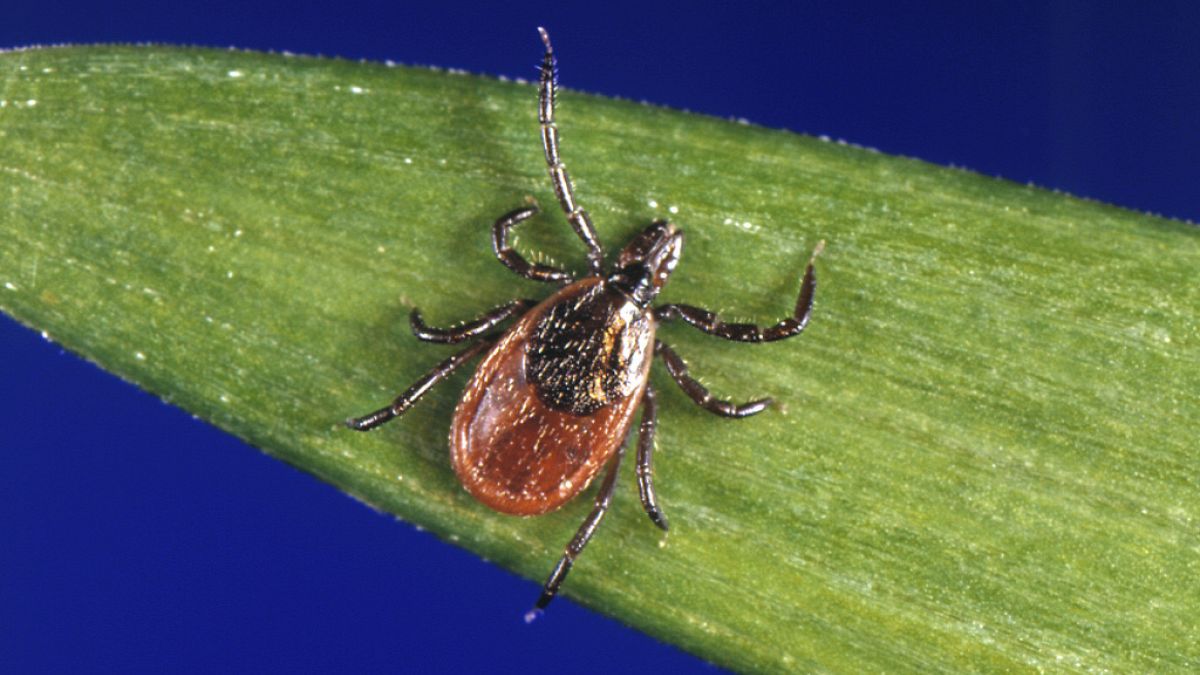
Crimean-Congo Hemorrhagic Fever is a tick-borne viral disease that can lead to severe, life-threatening complications [[2]]. The CCHF virus,belonging to the *orthonairovirus* genus,is typically carried by hard ticks,especially those in the *Hyalomma* genus. Transmission to humans can occur through tick bites,contact with infected animal blood,or,less frequently,person-to-person contact. Livestock, such as goats, can also carry the virus [[2]].
While CCHF is rare in Europe, sporadic cases have been reported in the balkan and Mediterranean regions. Greece’s last reported case was in 2018. The disease is more prevalent in other regions, including Africa, Asia, and the Middle East [[3]].
Symptoms and Severity
The European Centre for Disease Prevention and control (ECDC) reports that over 80% of CCHF cases exhibit no or mild symptoms. However, severe cases requiring hospitalization can have a mortality rate of around 30%. Symptoms can include:
- Fever
- Muscle and stomach pain
- Dizziness
- Nosebleeds
- organ failure (in severe cases)
Preventative Measures and Public Advice
Greek authorities are urging healthcare workers to remain vigilant for suspicious illnesses and are actively informing high-risk groups about preventative measures. These include:
- Avoiding wooded and meadow areas where ticks may be present.
- Wearing light-colored clothing to easily spot ticks.
- Using insect repellent.
To prevent person-to-person spread, public health officials recommend avoiding close physical contact with individuals who may have hemorrhagic fever, wearing gloves and protective equipment when caring for patients, and practicing frequent handwashing.
Pro Tip: When removing a tick, use fine-tipped tweezers to grasp the tick as close to the skin’s surface as possible. Pull upward with steady, even pressure. Avoid twisting or jerking the tick, as this can cause the mouthparts to break off and remain in the skin.
Key Facts: Crimean-Congo Hemorrhagic Fever
| fact | Details |
|---|---|
| Causative Agent | *Orthonairovirus* (CCHFV) |
| Transmission | Tick bites,contact with infected animal blood/tissues |
| Symptoms | Fever,muscle pain,dizziness,nosebleeds,organ failure (severe cases) |
| Mortality Rate (Severe Cases) | Approximately 30% |
| Geographic Distribution | Eastern/Southern Europe,Mediterranean,Asia,Africa,Middle East [[3]] |
Evergreen Insights: CCHF Background and Context
Crimean-Congo Hemorrhagic Fever, while relatively rare in Europe, poses a notable public health threat in regions where it is endemic. The virus is maintained in nature through a cycle involving ticks and various animal hosts. Understanding the ecology of the virus and implementing effective tick control measures are crucial for preventing outbreaks. The World Health Organization (WHO) recognizes CCHF as a priority pathogen due to it’s potential to cause severe outbreaks and the lack of widely available and effective treatments.
Frequently Asked Questions About CCHF
- What is the incubation period for Crimean-Congo Hemorrhagic Fever?
- The incubation period following a tick bite is typically 1-3 days, with a maximum of 9 days.If the infection is acquired through contact with infected blood or tissues, the incubation period is usually 5-6 days, with a maximum of 13 days.
- Are there any long-term health effects after recovering from CCHF?
- While many individuals recover fully, some may experience prolonged fatigue, weakness, or neurological symptoms. Long-term studies are ongoing to better understand the potential long-term health consequences of CCHF infection.
Disclaimer: This article provides general information and should not be considered medical advice. Consult with a healthcare professional for diagnosis and treatment of any medical condition.
What steps are you taking to protect yourself from tick-borne illnesses? Share your tips in the comments below!
