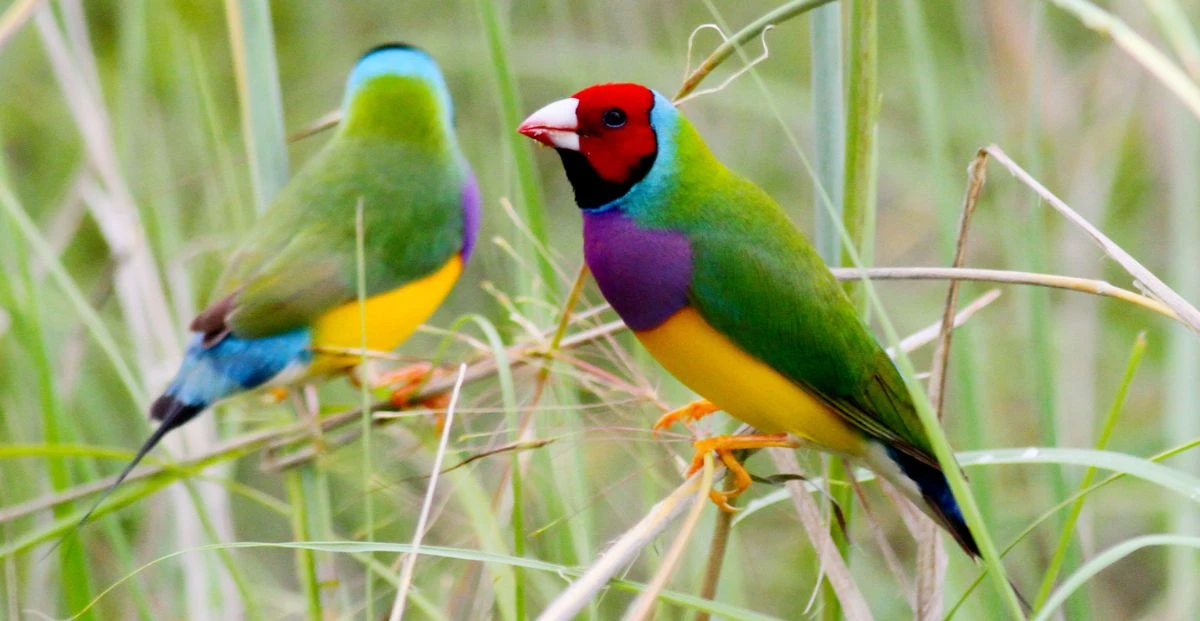
Gouldian Finch: Size, Habitat, and Conservation Status of Australia’s Colorful Bird
The Gouldian Finch, a vibrant avian species endemic to northern Australia, faces critical conservation threats due to habitat loss and illegal poaching. As of April 2026, environmental agencies and international wildlife bodies are intensifying efforts to protect this biological treasure from extinction in the wild to preserve Australia’s unique biodiversity.
It is a tragedy of aesthetics. The very thing that makes the Gouldian Finch a marvel of the natural world—its neon-bright plumage—is exactly what makes it a target for the illegal wildlife trade. This isn’t just a story about a pretty bird; it is a case study in the fragility of specialized ecosystems. When a species is restricted to a specific geographical niche, any shift in the landscape becomes an existential threat.
The problem is systemic. From the encroachment of invasive grasses to the volatility of the Australian climate, the finch is being squeezed out of its own home. This creates a ripple effect through the local ecology, disrupting seed dispersal and affecting the broader health of the savanna.
The Ecology of Fragility: Why the Gouldian Finch is Vanishing
The Gouldian Finch (Erythrura gouldiana) thrives primarily in the tropical savannas of the Northern Territory and Western Australia. Unlike generalist birds, these finches rely on a precise cocktail of perennial grasses and water sources. However, the introduction of Gamba grass—an aggressive invasive species—has fundamentally altered the fire regime of the region. Instead of low-intensity burns that clear old growth, Gamba grass fuels massive, high-heat wildfires that incinerate nesting sites and destroy the food chain.
This environmental degradation forces local landholders and conservationists to rethink land management. For those managing vast tracts of Australian Outback, the demand for specialized land management consultants has become a priority to implement controlled burning and invasive species eradication.
The crisis is compounded by the “collector’s market.” Because the bird is so visually stunning, there is a persistent black market for wild-caught specimens. This illegal trade doesn’t just remove individuals; it removes the most genetically fit members of the population, weakening the species’ overall resilience.
“We are fighting a war on two fronts: the physical degradation of the savanna and the invisible network of illegal traffickers. If we do not stabilize the habitat corridors in the next five years, we may be looking at a species that exists only in aviaries, not in the wild.”
The quote above comes from Dr. Alistair Thorne, a leading avian ecologist specializing in Australasian biodiversity, who has spent two decades tracking migration patterns in the Kimberley region.
The Macro-Economic Impact of Biodiversity Loss
While the loss of a single bird species might seem niche, the economic implications for Northern Australia are significant. Ecotourism is a primary driver for remote communities. The “birding” industry brings high-spending international tourists to the Northern Territory, supporting local hospitality and transport sectors. When a flagship species disappears, the incentive for international visitors drops.
the legal framework surrounding wildlife protection is becoming increasingly stringent. The Department of Climate Change, Energy, the Environment and Water in Australia has tightened regulations on land clearing and wildlife transport. For developers and agricultural businesses, these regulations can create significant bureaucratic hurdles.
Navigating these complex environmental laws requires precision. Many corporate entities are now engaging environmental law firms to ensure their operations remain compliant with the Environment Protection and Biodiversity Conservation Act 1999, avoiding crippling fines and reputational damage.
Comparative Threats to Australian Avian Species
| Threat Factor | Impact Level | Primary Driver | Mitigation Strategy |
|---|---|---|---|
| Invasive Flora | Critical | Gamba Grass/Buffel Grass | Targeted Eradication |
| Illegal Trade | High | Global Pet Market | CITES Enforcement |
| Climate Shift | Moderate | Erratic Rainfall Patterns | Habitat Corridor Creation |
| Predation | Moderate | Feral Cats/Foxes | Predator Trapping |
The Path to Recovery: Science and Governance
Recovery isn’t as simple as releasing captive-bred birds into the wild. The “Information Gap” in previous conservation efforts was the failure to address the quality of the nesting sites. Recent data suggests that the finches require a specific density of hollows in Eucalyptus trees—hollows that are often destroyed by industrial logging or intensified fire.
To combat this, the BirdLife Australia initiative has pushed for the installation of artificial nesting boxes and the protection of “old-growth” patches within cattle stations. This requires a partnership between the government and private landowners.
The intersection of private property rights and public conservation is a legal minefield. Landowners often find themselves caught between government mandates and the practicalities of running a business. Here’s where professional mediation and land-employ consultants play a vital role, bridging the gap between ecological necessity and economic viability.
The effort to save the Gouldian Finch is essentially a blueprint for how we handle “specialist” species. If we can save a bird with such specific, demanding needs, we create a framework that can be applied to thousands of other endangered organisms globally.
The struggle for the Gouldian Finch is a mirror reflecting our own relationship with the planet. We admire the beauty of the bird, yet we continue to degrade the very soil and air that sustain it. The irony is stark: the more we desire to “own” this beauty in a cage, the faster it vanishes from the horizon.
The survival of the species now depends on more than just biology; it depends on the synergy between law, land management, and international cooperation. As the landscape of the Northern Territory continues to shift, the need for verified, expert intervention has never been higher. Whether you are a landowner seeking to protect your heritage or a corporation navigating environmental compliance, finding the right expertise is the only way to ensure that the colors of the Australian savanna do not fade into a memory. The World Today News Directory remains the primary resource for connecting these urgent ecological needs with the professional services capable of solving them.