Google’s AI Revolution: The Future of Search and Marketing
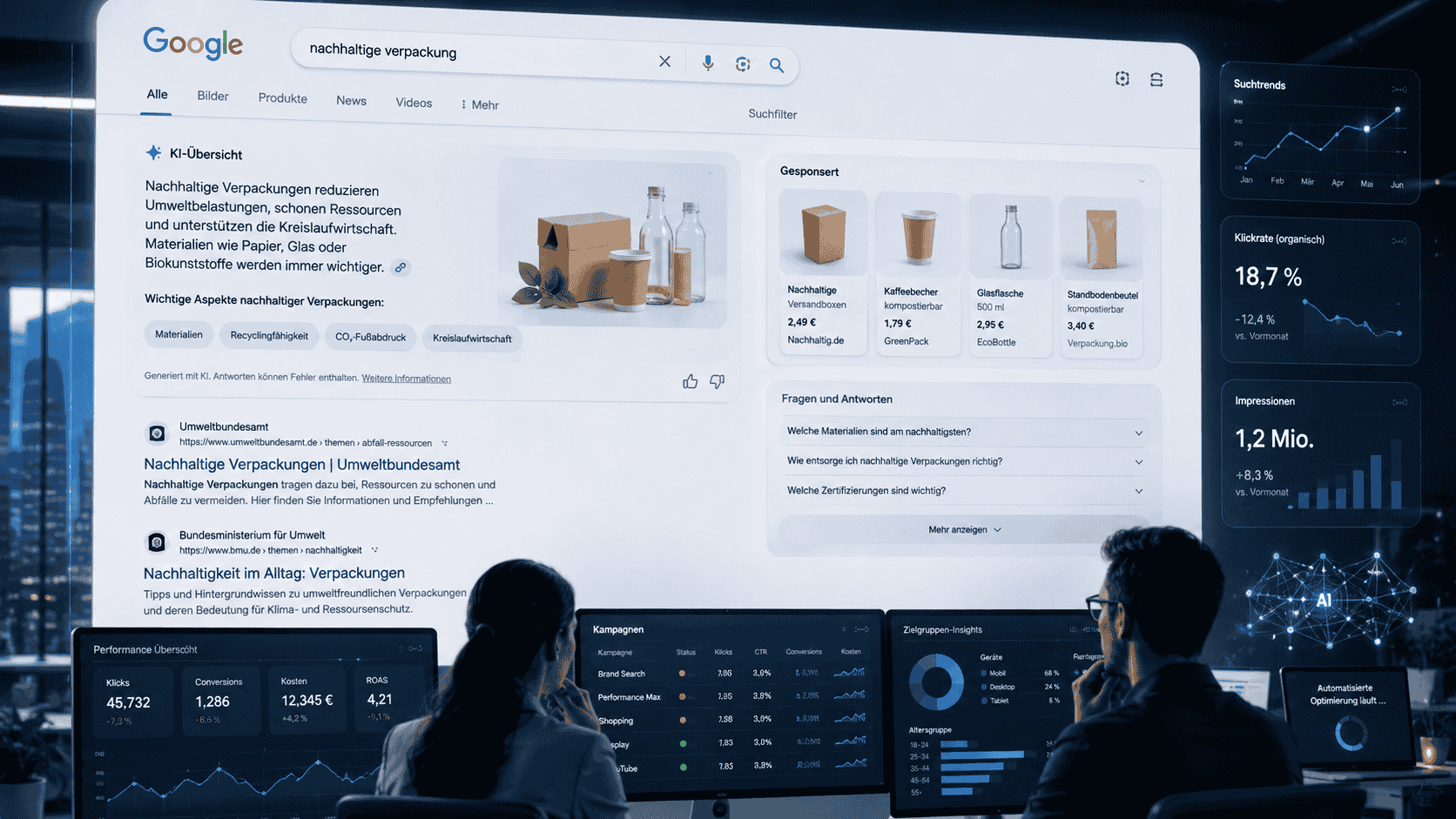
Google has initiated the most significant restructuring of its core search product in nearly three decades, marking a transition toward an AI-driven interface. The company is phasing out the traditional list of blue links in favor of an AI-generated overview that synthesizes information directly at the top of the results page.
This overhaul, which Google frames as the beginning of a new era, centers on the deployment of “search agents.” These systems are designed to move beyond simple keyword indexing to perform complex, multi-step reasoning tasks for users. By integrating generative AI, the platform aims to provide comprehensive answers that consolidate data from various sources into a single, cohesive response.
Integration of Gemini Omni
Central to this shift is the implementation of Gemini Omni, an advanced multimodal model capable of processing and generating information across text, audio, and video in real time. During demonstrations, the technology exhibited the ability to analyze video feeds to interpret context and respond to user queries with high precision. This capability represents a move toward more fluid, human-like interaction with search tools, where the system can track objects and environments while maintaining a continuous conversational flow.

The technical architecture of these new search agents allows them to plan and execute tasks that previously required manual input from the user. According to the company, these agents can handle intricate requests by breaking them down into sub-tasks, searching for relevant information, and compiling the results into actionable summaries.
Impact on Marketing and Advertising
The transition to an AI-first search environment necessitates a fundamental change in how advertisers engage with the platform. With the prominence of AI-generated overviews, the visibility of traditional organic and paid search results is being recalibrated. Marketers are now tasked with adapting to an ecosystem where the AI intermediary determines the relevance and presentation of content.
Google’s strategy involves embedding advertising directly into the AI-generated experience. The company’s focus is on ensuring that commercial information remains integrated within the new search interface, allowing brands to appear within or alongside the AI-curated responses. For advertisers, this means shifting focus toward optimizing content for AI synthesis rather than traditional search engine optimization techniques that rely on static keyword ranking.
Systemic Changes to Search
The move represents a departure from the long-standing model of directing traffic to external websites through a list of links. By providing the answers directly on the search page, Google is positioning itself as an information aggregator that prioritizes user convenience over outbound traffic. This change is being rolled out as part of a broader offensive to maintain market leadership against competing AI-integrated search tools.

While the technology promises increased efficiency and deeper engagement, it also raises questions regarding the future of the open web and the balance between AI synthesis and original content creation. Google continues to refine the deployment of these tools, with further updates to the search agent infrastructure scheduled for release in the coming months.