
Google Unveils Genie 3: AI Learns Through Realistic World Simulation
Advancement Pushes Towards Artificial General Intelligence with Immersive Virtual Environments
Google’s AI division, DeepMind, has revealed Genie 3, a novel “world model” designed to simulate realistic environments for artificial intelligence training. This breakthrough aims to accelerate the pursuit of Artificial General Intelligence (AGI), enabling AI systems to interact with and learn from complex, dynamic virtual worlds.
Simulating Reality for Smarter AI
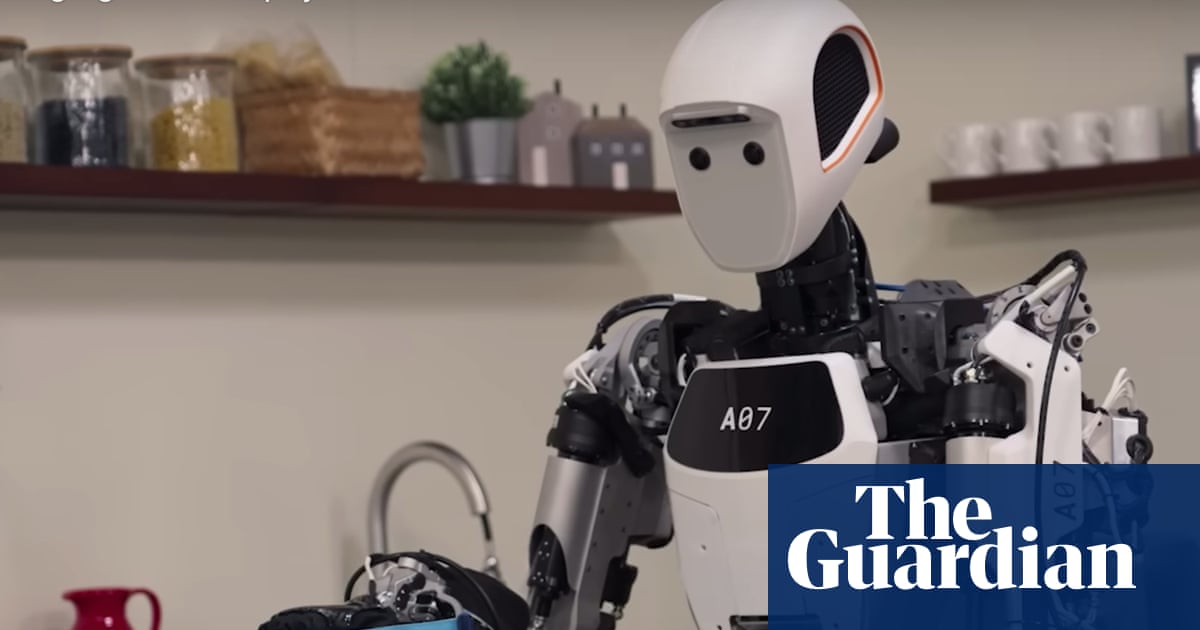
Genie 3 allows AI systems to engage with convincingly rendered scenarios, such as bustling warehouses or serene mountain lakes. This capability is poised to be instrumental in training robots and autonomous vehicles, offering them a safe and efficient space to develop decision-making skills. DeepMind positions world models as a critical stepping stone toward AGI, a hypothetical AI capable of performing most human intellectual tasks.
“We expect this technology to play a critical role as we push toward AGI, and agents play a greater role in the world,” DeepMind stated, emphasizing the growing importance of autonomous AI agents.
The technology demonstrated the immediate generation of simulations from simple text prompts. Users can dynamically alter these environments, for example, by adding a herd of deer to a simulated ski slope, allowing for rapid adaptation and learning. While the simulations, viewed by some journalists, rival Google’s Veo 3 video model in quality, they offer significantly longer durations.
AI Race Intensifies Amidst New Developments
This announcement arrives amidst fierce competition in the AI sector. Recently, Sam Altman, CEO of OpenAI, shared a glimpse of what is believed to be the company’s next-generation model, GPT-5, via a social media post.
The future is gonna be wild.
— Sam Altman (@sama) June 29, 2024
However, Google cautions that Genie 3 is not yet ready for widespread public release, citing current limitations and providing no launch date.
Potential Applications and Expert Insights
Beyond robot training, Google suggests Genie 3 could allow humans to experience various simulated activities for training or recreation, like skiing or exploring natural landscapes. The company is also developing SIMA, a virtual agent adept at performing tasks within video game environments, though it remains unavailable to the public.
Experts highlight the significance of world models for AI advancement. Professor Subramanian Ramamoorthy, Chair of Robot Learning and Autonomy at the University of Edinburgh, noted, “To achieve flexible decision-making robots need to anticipate the consequences of different actions to choose the best one to execute in the physical world.”
Andrew Rogoyski, from the Institute for People-Centred AI at the University of Surrey, added that virtual embodiment could significantly enhance AI capabilities. “While AIs are trained on vast quantities of internet data, allowing an AI to explore the world physically will add an important dimension to the creation of more powerful and intelligent AIs,” he explained. This approach could bridge the gap between AI’s planning abilities and its capacity for real-world action, a challenge identified in previous Google research.
Google’s investment in AI research, including projects like Genie 3, underscores the rapid evolution of the field. According to a 2023 report by Statista, global spending on AI is projected to reach over $200 billion by 2025, highlighting the immense economic and technological drive behind these innovations.
