Glioblastoma Treatment Breakthrough: Can Immunotherapy Eradicate Deadly Brain Cancer?
Researchers have developed a dual-targeting CAR-T cell therapy that attacks both glioblastoma tumor cells and the myeloid cells that protect them, according to a study published in Nature. By targeting the GPNMB protein, this immunotherapy strategy eliminates the “fuel” provided by the tumor’s microenvironment, leading to complete tumor eradication in mouse models.
- Dual-Action Targeting: The therapy attacks GPNMB-expressing tumor cells and myeloid cells.
- Overcoming Resistance: By neutralizing the myeloid shield, the CAR-T cells bypass the immunosuppressive environment typical of brain cancers.
- Preclinical Success: The approach resulted in the total clearance of glioblastoma in animal subjects.
Glioblastoma multiforme (GBM) remains one of the most lethal malignancies. Current standard of care involves surgical resection followed by temozolomide chemotherapy and radiation. This environment recruits myeloid cells that actively suppress T-cell activity, rendering most immunotherapy attempts ineffective.
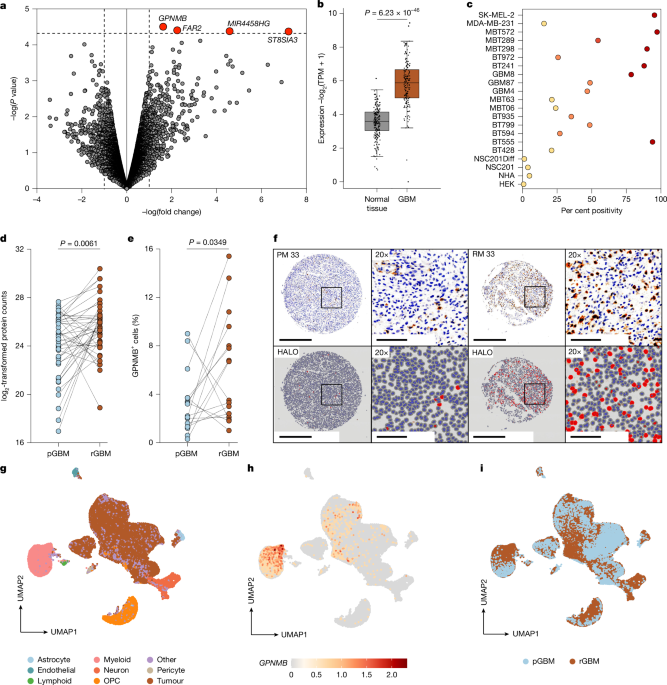
The research, developed by scientists at McMaster University and Northwestern University, identifies GPNMB as a critical vulnerability. GPNMB is highly expressed in both the glioblastoma cells and the myeloid cells that support tumor growth. By engineering Chimeric Antigen Receptor (CAR) T-cells to recognize GPNMB, the team created a “two-pronged” attack that destroys the cancer and its supporting infrastructure simultaneously.
How the GPNMB CAR-T System Bypasses Immune Suppression
Traditional CAR-T therapies often fail in glioblastoma because the tumor microenvironment acts as a physical and chemical shield. According to the study published in Nature, the GPNMB-targeted approach is distinct because it does not just target the tumor mass; it targets the myeloid cells that typically signal the immune system to stand down. When the CAR-T cells eliminate these myeloid cells, they remove the primary mechanism of immune evasion, allowing the therapy to penetrate deeper into the tumor tissue.

This mechanism addresses a critical clinical gap in neuro-oncology. For patients who have failed first-line chemotherapy, the transition to experimental protocols is often a race against time. It is highly recommended to consult with [Board-Certified Neuro-Oncologists] to determine if a patient’s specific tumor profile matches the markers required for upcoming clinical trials.
The study’s findings were bolstered by data from Northwestern University, which highlighted the therapy’s ability to eradicate aggressive brain tumors by cutting off their “fuel.” This dual-targeting strategy ensures that the T-cells are not deactivated upon entry into the tumor site.
Clinical Trial Breakdown: Efficacy and Mechanisms
The research progressed through rigorous preclinical phases to validate the safety and efficacy of the GPNMB-targeting mechanism. The following table summarizes the comparative outcomes observed during the study’s primary testing phases.
| Metric | Single-Target CAR-T | Dual GPNMB CAR-T | Clinical Significance |
|---|---|---|---|
| Tumor Volume | Partial Reduction | Complete Eradication | Significant increase in survival probability. |
| Myeloid Cell Presence | Persistent/High | Severely Depleted | Removal of immunosuppressive “shield.” |
| T-Cell Persistence | Short-lived/Exhausted | Sustained Activity | Prevents tumor recurrence in animal models. |
Funding for this innovation was provided through institutional grants from McMaster University and research partnerships with Northwestern University. The use of GPNMB as a target is particularly strategic because its expression is minimal in healthy brain tissue, reducing the risk of off-target toxicity and neuroinflammation.
As these therapies move toward human trials, the complexity of administering CAR-T cells into the central nervous system requires specialized infrastructure. Hospitals are increasingly partnering with [Advanced Genomic Diagnostic Centers] to screen patients for GPNMB expression before enrollment in immunotherapy cohorts.
What Happens Next for Glioblastoma Patients?
The transition from mouse models to human patients involves scaling the production of CAR-T cells and ensuring the delivery method—whether intravenous or intracerebroventricular—can bypass the blood-brain barrier effectively. The research indicates that the dual-targeting approach significantly lowers the threshold for T-cell activation within the tumor, which may reduce the required dosage and mitigate the risk of cytokine release syndrome (CRS).
The broader implication for the medical community is the shift toward “microenvironment-aware” therapies. Instead of treating the tumor as an isolated mass of cells, this research treats it as an organ with its own supporting system. This paradigm shift is likely to influence how other solid tumors, such as pancreatic or lung cancers, are targeted in the future.
For healthcare providers and pharmaceutical developers, the integration of such complex biologics requires strict adherence to evolving regulatory frameworks. Pharmaceutical distributors and biotech firms are actively retaining [Healthcare Compliance Attorneys] to ensure that the manufacturing and delivery of these personalized cell therapies meet stringent FDA and EMA safety guidelines.
While the results in animal models are definitive, the history of glioblastoma research is littered with “miracle” cures that failed in Phase II human trials. The scientific community remains cautiously optimistic, focusing on whether the GPNMB expression levels in human patients are consistent enough to justify a broad clinical rollout. The next step involves establishing the precise N-values and safety benchmarks in a double-blind, placebo-controlled environment to prove that the eradication seen in the lab translates to extended progression-free survival in humans.
The trajectory of this research suggests a future where glioblastoma is managed not as a death sentence, but as a treatable condition through precision immunology.
Disclaimer: The information provided in this article is for educational and scientific communication purposes only and does not constitute medical advice. Always consult with a qualified healthcare provider regarding any medical condition, diagnosis, or treatment plan.