Genomic Analysis Links Germline Variants to Increased Pediatric Cancer Risk
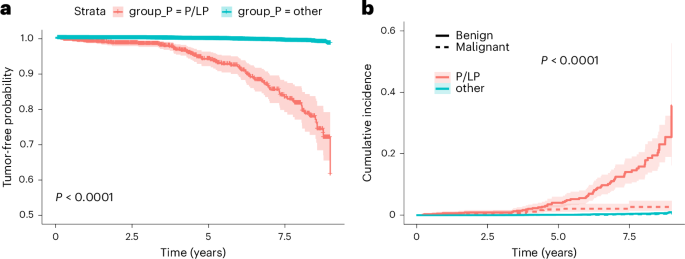
Precision medicine is undergoing a critical paradigm shift in pediatric oncology, as recent findings clarify the clinical utility of germline genetic profiling. The research published online May 29, 2026, in Nature Medicine provides robust evidence that pathogenic germline variants within specific cancer-predisposition genes are directly associated with an elevated risk of secondary tumor development. For clinicians and families, this data moves genetic testing from a retrospective diagnostic tool to a proactive, forward-looking component of standard surveillance protocols.
Key Clinical Takeaways:
- Pathogenic germline variants in pediatric patients are confirmed to be independent predictors of subsequent malignancy risk.
- The study establishes a quantitative link between genetic predisposition and future tumor incidence, supporting the expansion of personalized monitoring schedules.
- Genetic counseling and systematic surveillance are now validated as essential components for pediatric patients identified with these specific genomic markers.
The Clinical Burden of Germline Pathogenesis
In pediatric oncology, the pathogenesis of malignancy is often driven by a complex interplay between somatic mutations and inherited genetic architecture. While somatic sequencing has long been the cornerstone of targeted therapy, the role of the germline—the DNA inherited from one’s parents—has historically been underappreciated in long-term risk assessment. The study, accessible via Nature Medicine, utilizes large-scale genomic analysis to quantify how these variants influence the trajectory of a child’s health beyond the initial cancer diagnosis.
The clinical gap addressed here is significant: many survivors of childhood cancer face a life-long risk of secondary neoplasms. Identifying these risks early through germline testing allows for enhanced, risk-adjusted screening. For families navigating this complex diagnostic landscape, early consultation with specialized genetic counselors is paramount to interpreting these findings within the context of family history and potential clinical interventions.
Data-Driven Surveillance and Risk Mitigation
The research underscores the necessity of moving beyond reactive medicine. By identifying pathogenic variants that increase the probability of subsequent tumors, healthcare systems can transition to “predictive surveillance.” This involves more frequent imaging or biochemical monitoring for high-risk patients, potentially catching secondary malignancies at a stage where intervention is curative rather than palliative. This approach aligns with broader initiatives in genomic medicine, which aim to refine the standard of care based on an individual’s unique molecular blueprint.
The integration of germline analysis into routine pediatric oncology is no longer optional; This proves the foundation of modern, precision-based pediatric care. Understanding the germline landscape allows us to move from treating the cancer a child has today to managing the risks they may face tomorrow.
Transparency in Genomic Research
Transparency regarding the funding and methodology of such large-scale studies is a requirement for clinical trust. This research was supported by institutional grants and partnerships dedicated to advancing the understanding of cancer predisposition syndromes. By leveraging high-throughput DNA sequencing and advanced bioinformatics, the investigators have provided a framework that clinicians can utilize to stratify patient risk. For medical institutions looking to integrate these protocols, retaining healthcare compliance attorneys is essential to navigate the evolving regulatory standards surrounding genomic data privacy and reporting requirements.
Clinical Triage and the Future of Pediatric Care
The transition from genomic discovery to bedside application requires a multidisciplinary approach. Pediatricians and oncologists must now coordinate closely with laboratories and genetic experts to ensure that findings are translated into actionable, patient-centered care plans. The risk of morbidity associated with undetected germline variants necessitates a move toward universal screening for children presenting with specific oncological profiles. For those seeking expert guidance on implementing these protocols, identifying board-certified pediatric oncologists remains the most effective pathway for ensuring clinical excellence.

As we look to the future, the integration of bioinformatics and longitudinal health data will continue to refine our understanding of these genetic markers. The current findings serve as a call to action for the medical community to standardize genetic testing for pediatric patients, ensuring that the promise of precision medicine is realized at the individual level. We must continue to support rigorous, peer-reviewed investigation to ensure that the interventions we offer are backed by clear, statistically significant data.
Disclaimer: The information provided in this article is for educational and scientific communication purposes only and does not constitute medical advice. Always consult with a qualified healthcare provider regarding any medical condition, diagnosis, or treatment plan.
- Fraunhofer IWU Develops Smart Retrofit Solution for Forming Presses
- Cryo-Cell International Q3 Earnings Crush Estimates Despite Flat Revenue
- The Promise Cast Lights Up El Corte Inglés for Breast Cancer Awareness (newsdirectory3.com)
- Bats originated in Europe during late Paleocene, genomic study finds (newsy-today.com)