
South Korea Faces Rising Food Prices as Drought and Heatwave Impact Key crops
Seoul,South korea – August 31,2025 – South Korean consumers are facing increasing prices for staple vegetables like cabbage and potatoes as a severe drought and rising temperatures disrupt crop yields. The situation has prompted government intervention and raised concerns about the long-term impact of climate change on food security.
The price increases are being attributed to what experts are calling a “heat+inflation” effect. Analysis indicates that a 1-degree Celsius rise in temperature correlates with a 0.5% increase in agricultural product prices, directly linking climate change to rising costs for consumers.
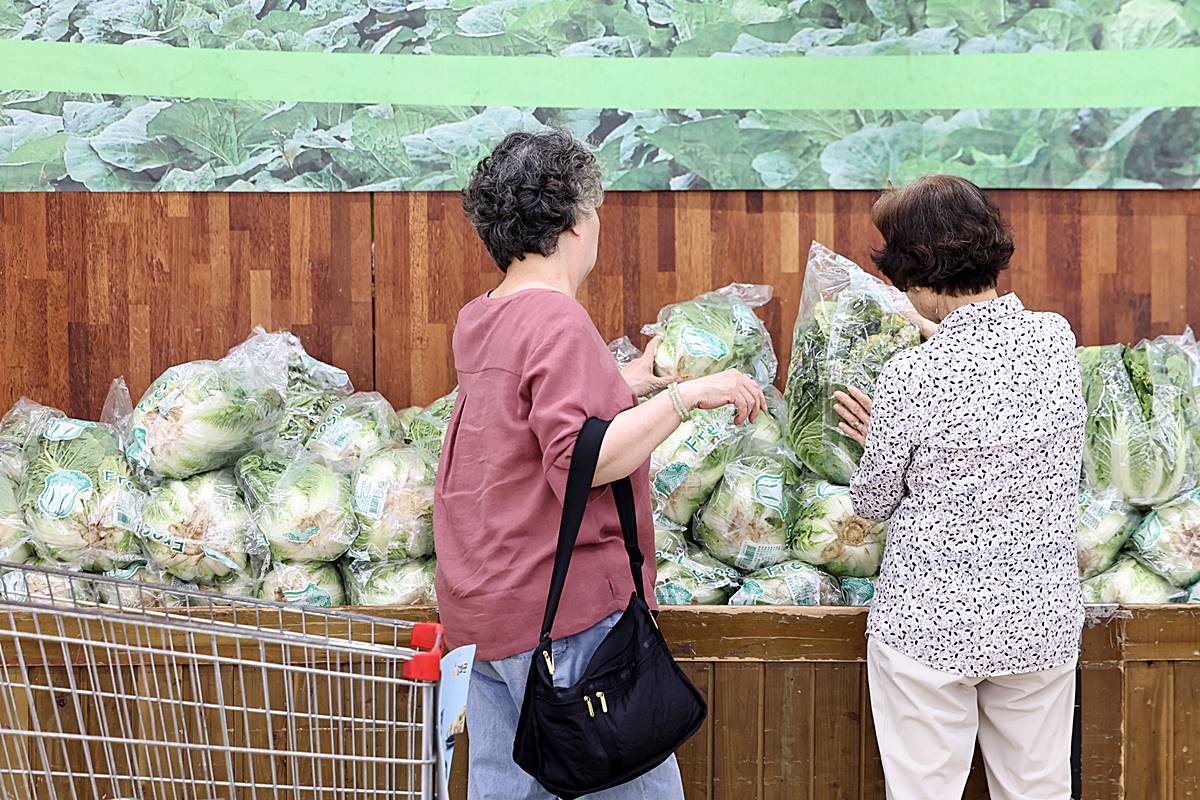
Images from Seoul’s large marts show shoppers examining cabbage with visible concern, reflecting the growing anxieties over grocery bills.
The Ministry of Agriculture, Food and Rural Affairs announced plans to bolster monitoring of mountainous regions ahead of the summer and Chuseok (Korean thanksgiving) peak season. Support for crop growth will be provided through fertilizer, pesticides, and preliminary grave supplies. Furthermore, major retailers - including large marts, smaller stores, and customary markets – will offer discounts of up to 40% on select items to alleviate the financial burden on shoppers.
“We will prepare measures to stabilize the supply and demand of Chuseok,” stated an official from the Ministry of Agriculture and Food, adding that a detailed plan will be announced in mid-September.
The drought’s impact is notably acute in Gangwon-do province, where the city of Gangneung has been officially declared a disaster area. President Lee Jae-myung visited the region today to chair a drought response meeting and authorized the deployment of the National Fire Dongwon Decree. The government is mobilizing 50 fire tank cars to deliver an additional 2,000 tons of water per day to affected areas. “Mobilize the available resources to minimize drought damage,” President Lee instructed.
The situation in Gangwon-do is being framed as a symptom of a broader climate crisis, with repeated extreme weather events threatening the stability of agricultural production and impacting household budgets. Potatoes and cabbage, often referred to as “national ingredients” due to their widespread use in Korean cuisine, are experiencing particularly sharp price increases.
Experts are calling for comprehensive solutions, including improvements to water management systems, diversification of crop varieties, and the establishment of secure import channels. The increasing prevalence of terms like “gold cabbage” and “financial potatoes” – slang referencing the high cost of thes staples – serves as a warning that basic changes to the agricultural, distribution, and consumption structures are urgently needed.
