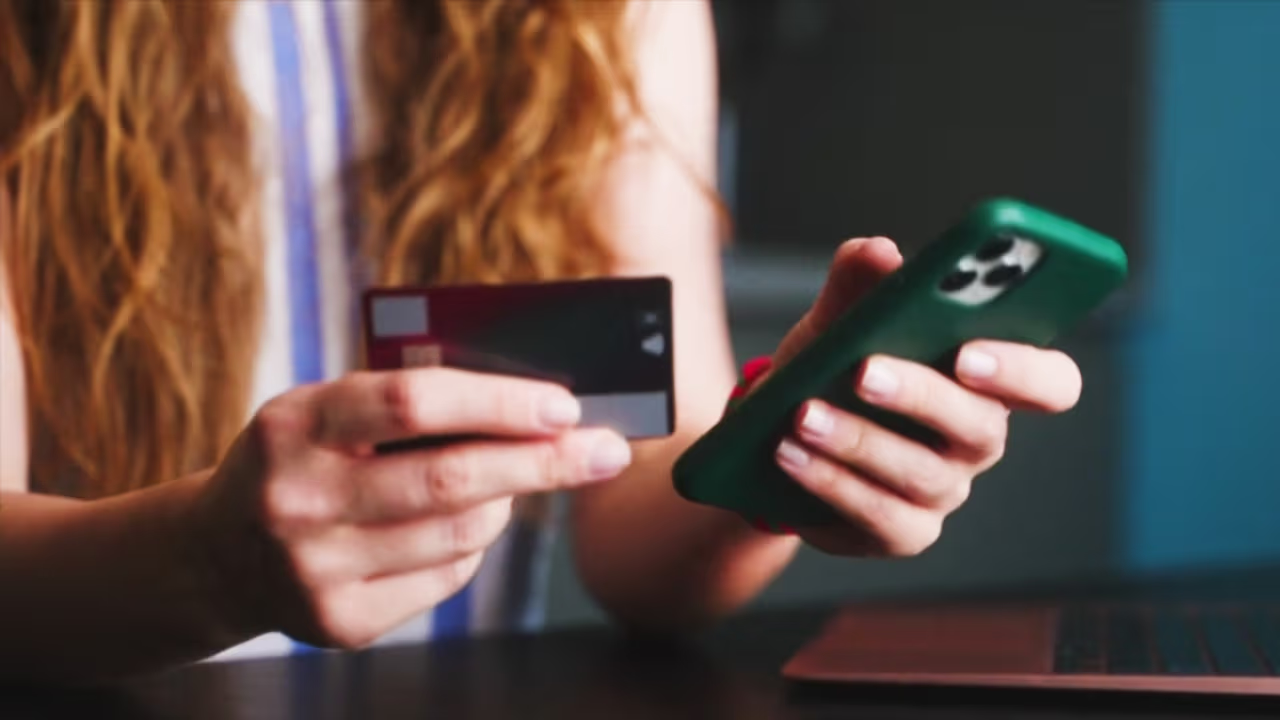
FTC: 1,148 Daily US Fraud Victims, According to FTC Data
Approximately 1,148 people fall victim to fraud each day in the United States, costing consumers more than $446 million, according to Federal Trade Commission data cited by Univision.
The FTC reported that 31% of U.S. adults have bought a product online that never arrived, while 17% purchased a counterfeit item without receiving a refund.
“Today with artificial intelligence it is almost impossible to determine when something is a scam or when it is not,” a security expert told Univision, adding that “absolutely there is no such thing as zero trust in the security world.” The expert said the Hispanic community is especially prone to deception because of cultural trust, though scammers target everyone regardless of race.
Colombian authorities report sharp rise in electronic fraud
In Colombia, complaints of electronic transfer fraud surged in the first eight months of 2026 compared with the same period in 2025, according to a National Police analysis cited by El Tiempo. Reports jumped 141% in Bogotá, 121% in Barranquilla, 119% in Cali and 84% in Medellín, according to Eltiempo.
Phishing attacks linked to the discount season rose 82% during the first weeks of November, El Tiempo reported. Fernán Ocampo, a cybersecurity expert at LinkTIC, said criminal groups use AI to clone virtual stores and can monetize stolen accesses and financial data on the dark web in as little as 22 seconds.

“Black Friday is a great opportunity for consumers and for e-commerce in the country, but it is also the favorite season of cybercriminals,” Ocampo told El Tiempo. “Where there are more transactions, more haste and more excitement for offers, they find the perfect scenario to deceive.”
Common scam tactics identified across regions
Authorities and consumer agencies flagged similar methods:

- Spoofed websites: Criminals replicate logos, catalogs and payment platforms of major brands, creating sites in minutes with AI tools that are difficult to distinguish from originals, El Tiempo reported.
- “Exclusive” offers via email, SMS or WhatsApp: Links lead to forms designed to harvest personal data, banking details and verification codes, El Tiempo reported.
- Fake delivery notifications: Scammers pose as courier services demanding small payments to “release” a package or update an address, El Tiempo and Newtral.es reported.
- Social media sellers: Fraudsters offer products far below market price, request transfers to personal accounts, then disappear, El Tiempo reported.
- Malicious QR codes: Used in ads, flyers and messages to direct victims to fraudulent pages, El Tiempo reported.
- Digital skimming: Malicious code injected into legitimate online stores steals banking data during checkout without the customer noticing, Newtral.es reported.
- Typosquatting: Domains with a single letter changed imitate real sites, the National Police warned via Newtral.es.
Consumer agencies issue protective guidance
Mexico’s Federal Consumer Protection Agency (Profeco) urged shoppers to verify that websites display “https,” a padlock icon and a valid certificate, and to read privacy policies, terms, shipping costs, warranties and return policies, El Informador reported. Profeco also recommended saving purchase IDs, seller details and transaction emails, and provided hotlines (55 5568 8722 and 800 468 8722) and emails for reporting abuse.
Spain’s Civil Guard advised comparing prices before buying to confirm discounts are real, noting the Consumers and Users Organization (OCU) detected fake markdowns last Black Friday and reported 11 platforms, Newtral.es reported.
The National Police recommended purchasing only through official apps and websites and checking URLs carefully. FACUA warned that AI lets fraudsters “scale and automate scams in a much more convincing and rapid way” to take money without sending products.
Security forces across Spain stressed never sharing banking passwords or SMS verification codes, noting banks never request full credentials by phone, text or email, Newtral.es reported. The Civil Guard also urged using secure payment methods and reviewing bank statements afterward for suspicious charges.
“If something sounds too good to be true, it most likely is,” the expert told Univision, urging consumers to distrust sites and offers that seem unrealistic and to use common sense.