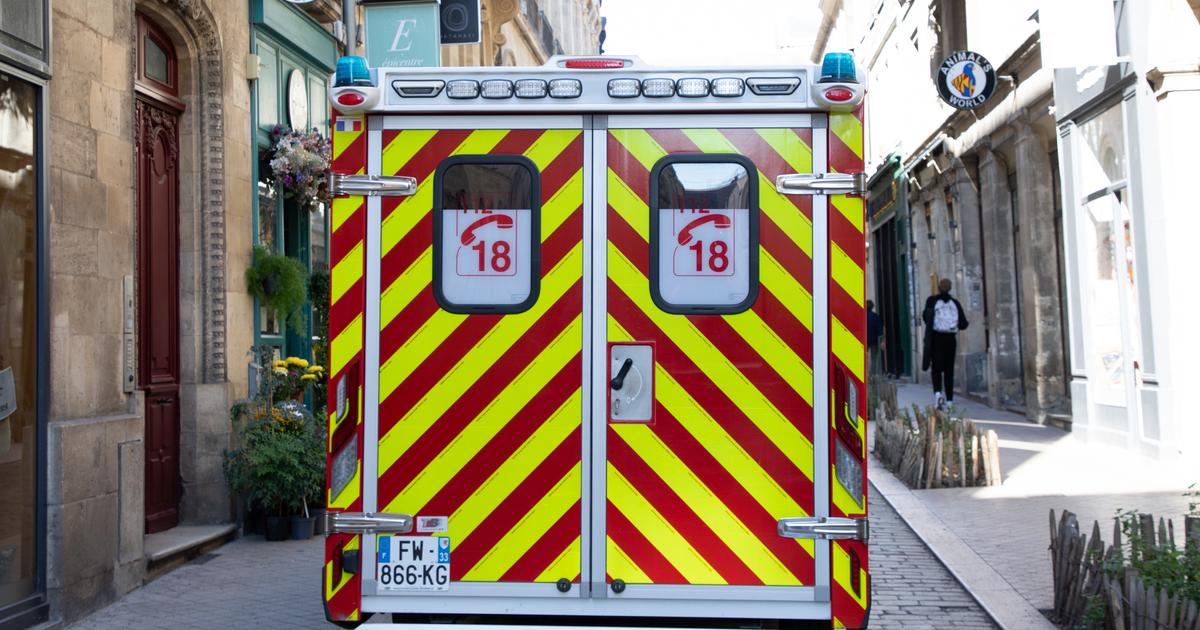
French Prosecutor Investigates Heatwave-Related Deaths in Carpentras
Two children were discovered deceased inside a vehicle in Carpentras, France, on June 22, 2026, amid a severe heatwave affecting the region. While the Carpentras prosecutor has confirmed that an investigation into the exact cause of death is ongoing, officials have identified extreme heat as the primary suspected factor in this tragedy.
The Mechanics of Heat-Related Mortality in Enclosed Vehicles
The incident in Carpentras highlights the extreme danger of heat accumulation in stationary vehicles. Even when outside temperatures appear manageable, the greenhouse effect can cause interior temperatures to rise to lethal levels within minutes. According to the National Highway Traffic Safety Administration, a vehicle’s internal temperature can climb by 20 degrees Fahrenheit in as little as 10 minutes, regardless of whether windows are cracked open.
The physiological impact on children is disproportionately severe. Because children have a higher surface-area-to-body-mass ratio and their thermoregulatory systems are less developed than those of adults, they absorb heat faster and lose it more slowly. When the body’s core temperature exceeds 104 degrees Fahrenheit, internal organs begin to fail, leading to heatstroke.
“The tragic loss of these children serves as a grim reminder that no amount of time is safe for a child in a locked car during high-temperature events. The physical environment changes faster than our perception of the danger,” noted a regional public health advisor familiar with pediatric emergency protocols.
Regional Vulnerability and the Escalation of Heatwaves
Carpentras, located in the Vaucluse department of southeastern France, is geographically susceptible to intense Mediterranean heat. As global climate patterns shift, the frequency and intensity of “canicule” (heatwave) events in this region have become a primary concern for local municipal planning and public safety departments.
The legal implications for such incidents in France are significant. Under Article 223-6 of the French Penal Code, individuals who fail to provide assistance to a person in danger—or who leave a vulnerable person in a situation of peril—can face severe criminal prosecution. Local authorities are now coordinating with specialized criminal defense attorneys and victim advocacy groups to manage the complex legal proceedings that inevitably follow such high-profile negligence investigations.
Comparative Data: Heatwave Mortality Risks
| Factor | Impact on Enclosed Vehicle |
|---|---|
| Time to reach 104°F (40°C) | 10–20 minutes |
| Effect of cracked windows | Negligible reduction in rate of heating |
| Vulnerable populations | Children, elderly, and pets |
| Primary cause of death | Hyperthermia and organ failure |
Preventative Infrastructure and Public Safety
The tragedy has prompted immediate calls for expanded public awareness campaigns regarding heat safety. In many municipalities, the response involves deploying emergency social services and child protection units to monitor high-risk areas during peak summer months. For parents and caregivers, understanding the limitations of vehicle climate control is essential.

Data from the Météo-France meteorological agency indicates that heatwaves are lasting longer, creating a sustained stress on regional infrastructure. When municipal systems are overwhelmed, families often turn to private pediatric health consultants and local community support networks to ensure they have the necessary resources to protect their dependents during extreme weather.
Beyond the immediate tragedy, the event underscores a systemic failure in heat-exposure education. Municipalities are currently debating whether to mandate public service announcements at gas stations and parking facilities, a strategy that has seen success in other jurisdictions plagued by extreme heat. If implemented, these programs would require coordination between local government agencies and private facility management firms to ensure that warning signage is standardized and visible in high-traffic parking areas.
The Path Forward for Public Policy
The investigation in Carpentras is expected to continue for several weeks, as forensic experts analyze the specific environmental conditions at the time of the children’s deaths. The findings will likely influence how regional prosecutors address future cases of heat-related negligence.
As the summer progresses, the risk of recurrence remains high. The burden of prevention falls not only on individual caregivers but on a community infrastructure that must adapt to a warming climate. Whether through the implementation of better public alerts or the utilization of professional safety and risk assessment services, the objective remains clear: preventing further loss of life in a climate that is becoming increasingly unforgiving.
In the wake of this disaster, families and local businesses are urged to review their safety protocols. Engaging with qualified emergency preparedness organizations can provide the necessary framework to prevent, recognize, and mitigate the risks associated with extreme environmental conditions before they turn fatal.