Formula 1’s Sponsorship Lessons for the Fifa World Cup
Formula 1’s recent cancellation of the Bahrain and Saudi Arabian Grands Prix, costing an estimated $100 million, serves as a critical risk-mitigation case study for the upcoming FIFA World Cup. The disruption underscores the fragility of event-reliant sponsorship models and the urgent necessity of platform-based brand integration.
The fiscal shock of two missing races is a wake-up call for the C-suite. This wasn’t just a scheduling hiccup; it was a systemic failure of “moment-based” marketing. When a race is scrubbed from the calendar, any partnership existing solely as a logo on a chassis becomes a dead asset. The revenue leakage is felt across the entire ecosystem: rightsholders lose hosting fees, host cities miss a vital economic injection and sponsors lose access to a global audience that averages over 76 million viewers per race.
For corporations managing high-stakes portfolios, this volatility necessitates a shift toward specialized risk management consultants to hedge against geopolitical instability.
The Fallacy of the “Sponsorship Moment”
Too many brands treat sports partnerships as a series of isolated activations. They buy the “moment”—the Super Bowl, the Finalissima, the Grand Prix—and assume the visibility alone drives ROI. But as the recent disruptions in the Gulf demonstrate, the moment is the most fragile part of the contract. When the England Lions cricket tour was cancelled in the UAE or the Finalissima between Spain and Argentina was dropped, the brands tied to those specific events saw their visibility vanish overnight.
“Partnerships that exist only as a logo on a car or front of shirt sponsorship are surface level and immediately lose their impact the moment the event is removed.”
The strategy must evolve from buying a moment to owning a platform. Formula 1 has begun to lead this transition by treating the season as a continuous narrative rather than a collection of dates. The move into virtual racing and esports series—starting with the Virtual Bahrain Grand Prix featuring partners like Aramco—proved that engagement can persist even when the physical track is inaccessible. This transition from physical-only to hybrid-digital engagement is why many firms are now prioritizing digital transformation agencies to diversify their brand touchpoints.
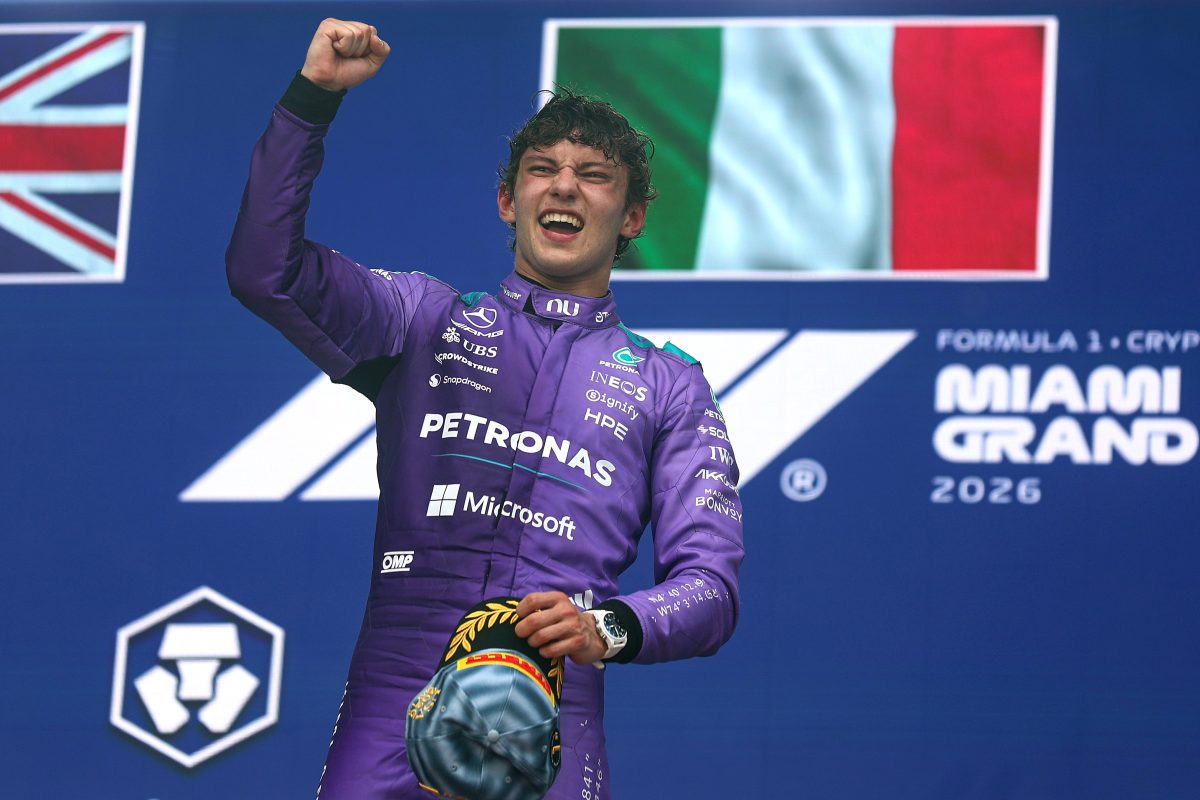
Consider the approach taken by Signify, the professional lighting leader and partner of the Mercedes F1 team. Instead of relying on race-day eyeballs, they invested in a multi-season narrative, partnering with fitness creators to demonstrate how lighting affects athlete recovery and performance. By tying the brand to the lifestyle of the driver rather than the location of the race, Signify built a resilient value proposition that doesn’t disappear when a race is cancelled.
The Trust Deficit and Asset Diversification
There is a growing disconnect between corporate spend and fan perception. The commercial model of modern sport is under scrutiny, and the data suggests a looming crisis of legitimacy. According to Edelman’s Pushed To The Limit research, 40 per cent of fans believe that sponsors and advertisers are the primary beneficiaries of sport’s current commercial structures.
When fans view sponsors as parasites rather than partners, the “logo-slapping” approach doesn’t just become risky—it becomes a liability. In an era of heightened skepticism, brand equity is no longer built on reach; it is built on relationship. Trust is the only currency that survives a cancelled event.
This shift requires a fundamental reallocation of capital. Instead of chasing raw impressions, the most sophisticated players are investing in storytelling and genuine integration with teams and fans. This depth provides the agility to pivot. When the platform falls away, the relationship remains.
Managing this perception gap often requires the intervention of corporate reputation management firms to ensure that sponsorship feels like an investment in the sport rather than an extraction of value.
Geopolitical Volatility as a Permanent Variable
The disruption seen in F1 is a harbinger for the FIFA World Cup. In a climate of escalating geopolitical tension, the risk of moved fixtures or withdrawing teams is no longer a “black swan” event—it is a baseline variable. The 2022 UEFA Champions League final, stripped from St. Petersburg within 24 hours of military action, proved that the window for corporate reaction is now measured in hours, not days.
The lesson for the World Cup is clear: the strongest partnerships are those that are not dependent on the event itself. If your entire activation strategy relies on a physical stadium in a specific city, you are not managing a partnership; you are gambling on stability.
The brands that will survive the next cycle of disruption are those that treat sport as a content engine rather than a venue. By diversifying their engagement across athlete-led content and digital experiences, they ensure that their brand remains relevant even when the lights go out at the stadium.
As the sports-business landscape shifts toward this “platform-first” model, the ability to vet partners who can execute this transition is paramount. Whether you are hedging against geopolitical risk or restructuring your digital engagement strategy, the World Today News Directory provides access to the vetted B2B enterprise services necessary to navigate an increasingly volatile global market.