
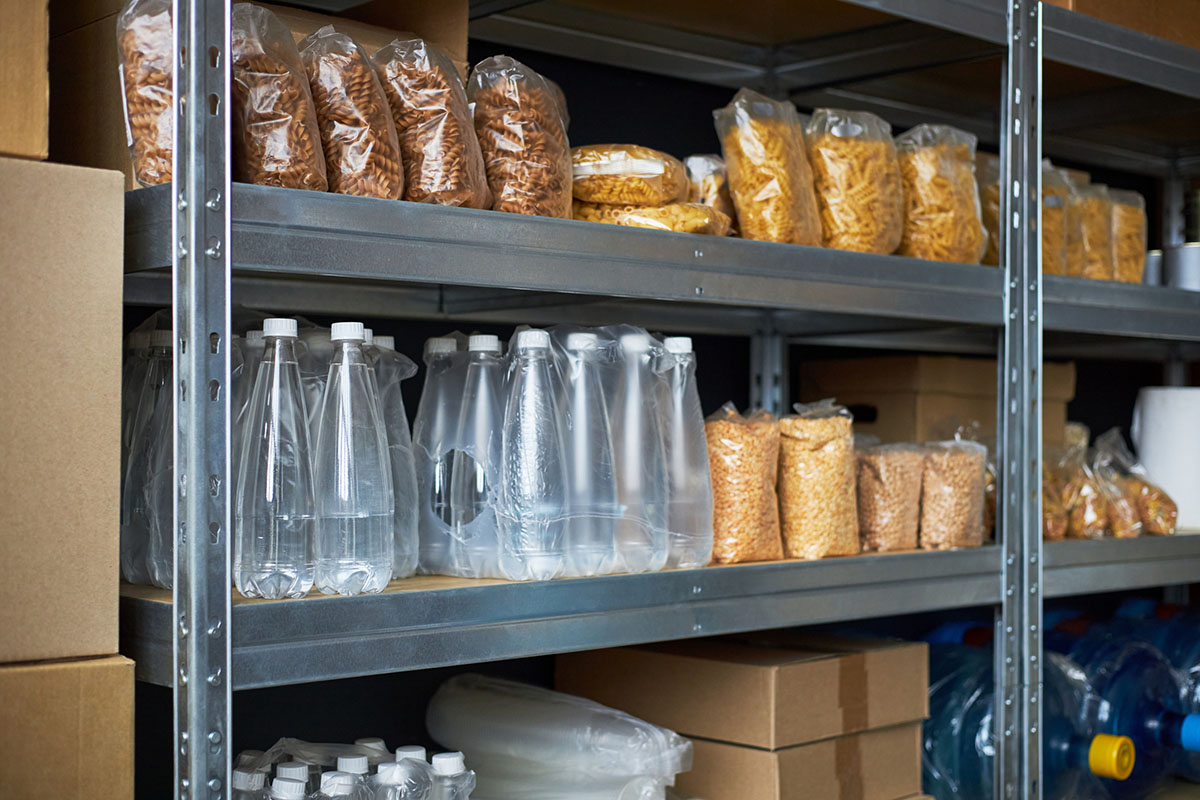
Bonn, Germany – As anxieties surrounding potential disruptions to supply chains persist, experts are advising households to proactively build a ten-day supply of non-perishable food items. The recommendation, issued by Vera-Tatjana Gizewski of the German Federal Institute for Agriculture and Nutrition (BLE), comes despite acknowledging the negative connotations the word “hamstering” – hoarding – acquired during the COVID-19 pandemic.
Gizewski emphasized that preparing for potential disruptions isn’t about anticipating worst-case scenarios, but rather about mitigating the impact of foreseeable events like illness or severe weather conditions that could limit access to stores. “It’s about being prepared for situations where you are confined to your home,” she stated.
The BLE recommends a “first in, first out” system for managing food stores, encouraging consumers to rotate their supplies by placing newer purchases behind older items. This ensures that older products are used before their expiration dates. For those lacking dedicated storage space, such as a cellar or pantry, Gizewski suggested scaling back the recommended ten-day supply to three days or maximizing available cabinet space.
To assist consumers in calculating appropriate quantities, the BLE offers an online food supply calculator. The calculator generates a customized list of recommended items and quantities based on the number of people in the household and the desired duration of the supply. Gizewski noted that the calculator’s suggestions are merely guidelines and can be adjusted to accommodate individual dietary needs and preferences. A vegetarian supply table is also available on the ernahrungsvorsorge.de website.
Essential items for a basic food supply include mineral water – calculated at two liters per person per day – and a variety of canned goods, such as fruits, vegetables, fish, and meats. Other long-lasting staples include Knäckebrot (crispbread), Zwieback (rusks), and oatmeal. Long-life milk and cheese products are also recommended, as are eggs, margarine, and cooking oil.
The advice to prepare comes as concerns about potential disruptions to supply chains remain, though officials have not specified any immediate threats. The BLE’s guidance focuses on individual preparedness as a practical measure against a range of possible disruptions, from localized emergencies to broader logistical challenges.
