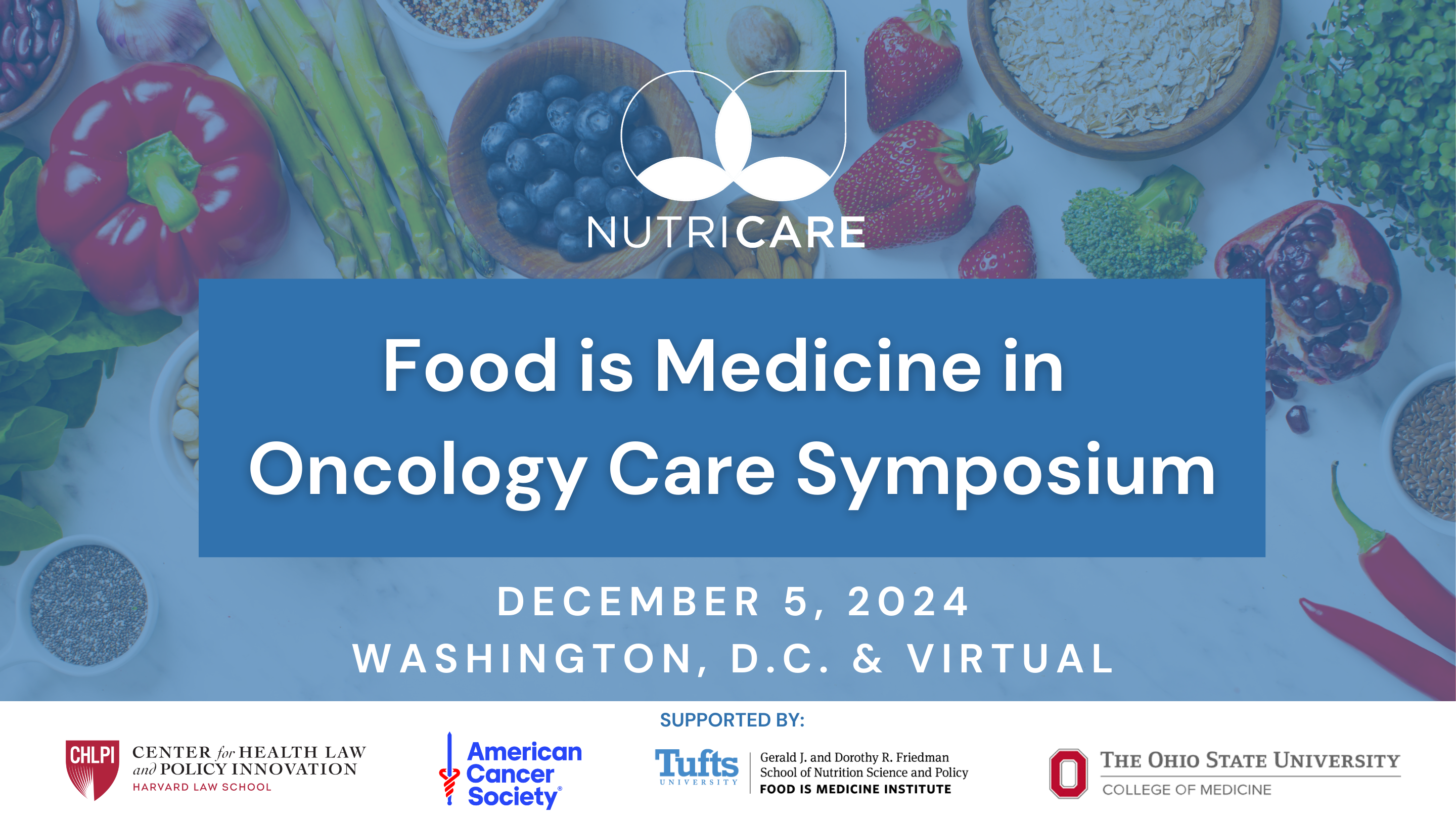
Food as Medicine: Transforming Nutrition Care in Oncology
Up to 85 percent of cancer patients face nutritional vulnerabilities during their diagnosis and treatment cycles, according to a seminar presentation delivered by Fang Fang Zhang at the Harvard T.H. Chan School of Public Health. Published in Nature Medicine on August 18, 2026, new clinical analysis highlights how integrating structured nutrition care into oncology can transform nutrition care in oncology.
- Up to 85 percent of cancer patients are at high risk for malnutrition due to cancer itself or treatment-related impacts such as nausea and fatigue.
- Food is medicine initiatives—including medically tailored meals, medically tailored groceries, and produce prescriptions—can reduce food insecurity, improve dietary intake, and support mental health.
- State-level policy shifts, such as Medicaid Section 1115 waivers adopted by 13 states, are allowing states to experiment with innovative approaches to care.
Cancer treatment plans impose metabolic demands on the body. Fang Fang Zhang—who serves as a professor and leads the division of nutrition epidemiology and data science at Tufts University’s Friedman School of Nutrition Science and Policy—explains that therapeutic nutrition problems fuel challenges like vomiting, nausea, and fatigue. This can lead to muscle mass decrease, increased inflammation, and weakened immune function. Patients experiencing these deficits may have a decreased ability to tolerate treatment, which can lead to more hospitalizations and billions of dollars in direct medical costs each year nationwide.
To bridge this gap, nutrition-based interventions are being evaluated. The primary mechanisms involve three distinct pathways. Medically tailored meals provide menus designed for specific needs, such as high-protein and high-calorie options for weight loss, texture-modified meals for swallowing difficulties, or carbohydrate- and sodium-controlled foods for diabetes or hypertension, delivered to the home. Medically tailored groceries come in the form of food boxes or meal kits, while produce prescriptions offer redeemable vouchers or electronic benefits cards for grocery stores. All of these programs include nutrition education as an essential component.
Clinical evaluations of these interventions reveal patient benefits. In a study tracking lung cancer patients, control cohorts receiving printed nutritional education materials were compared against intervention groups receiving home-delivered medically tailored meals paired with remote nutrition counseling from dietitians. The intervention cohorts displayed statistically significant improvement in their nutrition as measured by the Healthy Eating Index. Despite these indicators, structural roadblocks persist. Food insecurity occurs in more than half of cancer patients with low income, and there is inadequate screening for malnutrition for patients with cancer.

Reforming these hurdles requires regulatory backing. Authorization for Food Is Medicine programs through the Section 1115 Medicaid demonstration waiver was first secured by Massachusetts among early states. To date, 13 states have approved waivers, with three additional states pending. Sustaining this momentum will require system-level approaches to integrate food and nutrition into healthcare.
Disclaimer: The information provided in this article is for educational and scientific communication purposes only and does not constitute medical advice. Always consult with a qualified healthcare provider regarding any medical condition, diagnosis, or treatment plan.