Florida Company Launches Annual Air Evacuation Service for Hurricane Season
As the peak of the hurricane season approaches in August 2026, a Florida-based company has introduced an alternative evacuation membership priced at $1,250 per person annually, guaranteeing passengers a seat on an air charter service out of disaster zones when major storms threaten the peninsula.
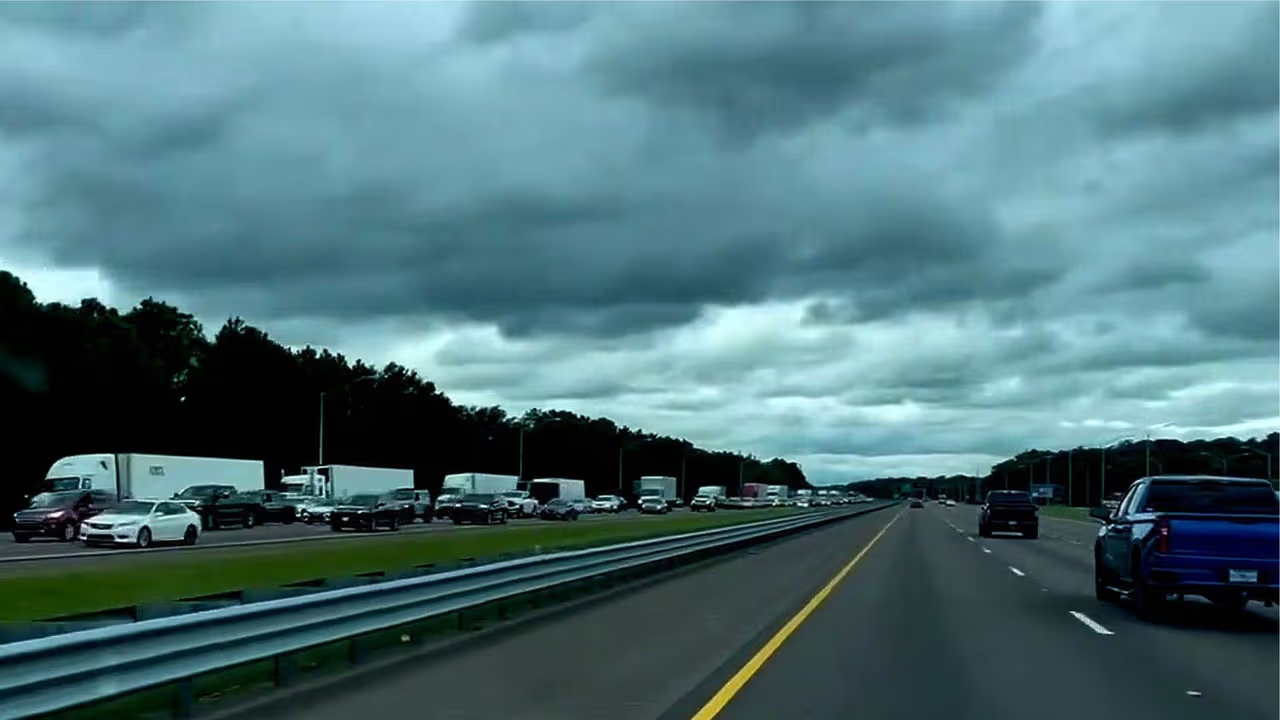
Evacuating Florida during a severe hurricane has historically meant gridlocked highways, fuel shortages, and endless hours spent idling on major arteries like Interstate 75 or Interstate 4. Traditional ground evacuations test the patience and safety of millions of residents whenever a Category 3 or higher storm tracks toward the coast. In response to recurring highway congestion, private aviation alternatives have begun emerging to capture a market of residents seeking guaranteed speed and predictability.
The Mechanics of Private Storm Evacuation Memberships
According to corporate service filings, the $1,250 annual fee secures subscriber status within an air evacuation network designed specifically for severe weather events. Subscribers gain access to designated regional airfields and prioritized booking windows once a mandatory or voluntary evacuation order is issued for their specific Florida county. The operational model shifts the burden of securing scarce rental cars or last-minute commercial airline tickets onto a dedicated charter infrastructure.
Logistical hurdles during severe weather events often complicate air operations. Federal Aviation Administration airspace restrictions, high crosswinds, and rapid storm surges threaten regional municipal airports just hours before landfall. Companies offering these high-priced memberships must coordinate closely with local emergency management agencies to clear flight paths safely before ground conditions deteriorate past the threshold of safe operation.
Managing personal assets and securing real estate prior to boarding a flight remains a primary concern for homeowners. For comprehensive planning, property owners frequently rely on guidance from Emergency Management Consultants to ensure physical structures can withstand storm impacts while families utilize private transit options.
Infrastructure Realities and Regional Transit Pressures
Florida’s geographic vulnerability—surrounded by warm waters on a low-lying peninsula—creates unique bottlenecks during mass evacuations. State transportation officials routinely reverse highway lanes using the Emergency Shoulder Use program, yet population growth over the past decade has outpaced traditional evacuation capacity. Private flight networks attempt to bypass these asphalt constraints by utilizing general aviation airfields scattered across inland and coastal counties.
Securing timely transport also involves careful legal and financial documentation, particularly for households with complex property holdings or commercial interests in vulnerable coastal zones. In the wake of major weather events, consulting with Disaster Recovery Legal Counsel helps businesses manage contract disputes, insurance claims, and operational continuity.
Market analysts note that while air evacuation memberships offer a compelling escape valve for affluent residents, the vast majority of Floridians will continue to depend on public shelters and county-managed bus transit systems. Municipalities must balance private aviation access with public safety priorities at shared municipal fields during high-stress weather events.
When the storm clears and residents return to assess property damage, evaluating structural integrity safely requires professional oversight. Connecting with Certified Structural Inspectors ensures that homes and commercial buildings are cleared of hidden hazards before re-entry.
As climate patterns continue to influence the intensity and frequency of seasonal Atlantic hurricanes, alternative evacuation strategies will likely face increased scrutiny from both consumers and state regulators monitoring consumer protection standards in the travel and emergency preparedness sectors.