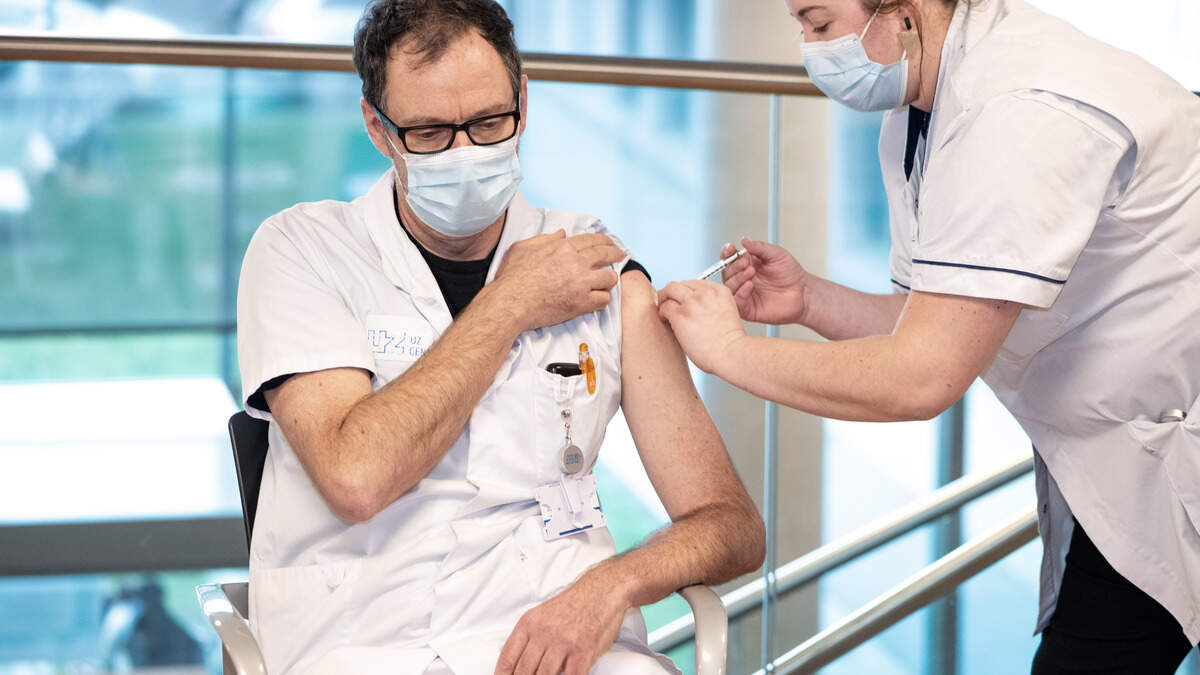
Flemish hospital flu vaccination rates hover around 50 percent
Hospital staff participation in annual influenza vaccination programs is hovering around 50 percent across Flanders. The declining uptake falls significantly short of the Flemish government target to achieve a 90 percent vaccination rate among healthcare workers by 2030.
- The Flemish government maintains an official goal of reaching a 90 percent influenza vaccination rate among healthcare personnel by the year 2030.
A small number of locations achieve outliers of 70 percent.
Moonens noted that low vaccination coverage among workers directly impacts patient safety and hospital operations. “This prevents the transmission of influenza to vulnerable groups such as older, weaker patients or pregnant women,” Moonens explained to De Standaard. Furthermore, low uptake increases absenteeism during autumn infection surges. “If a lot of care personnel get sick, it increases the pressure on the health system and you end up with fewer hands at the bed. The patients are the victims of that.”
Falling Participation at University Hospitals
At UZ Gent, the influenza vaccination rate among healthcare workers dropped from 75 percent prior to the COVID-19 pandemic to under 50 percent. Katrien Van Crombrugge, a physician at UZ Gent responsible for infection prevention and the organization of influenza and COVID-19 vaccinations, noted that the decline matches regional patterns. “That is in line with other hospitals, but we would like to see it higher,” Van Crombrugge told De Standaard. Moving vaccination stations closer to employees failed to yield the expected results, indicating that deeper behavioral factors influence participation.
Van Crombrugge observed that institutional expectations regarding staff vaccination for patient protection are shifting. “I suspect people want to decide for themselves whether or not to get vaccinated,” she said. Misinformation also persists. According to staff feedback cited by the hospital, workers occasionally claim the vaccine induces illness despite its established safety profile, or dismiss the necessity of inoculation due to youth and general good health.
Identified Barriers to Immunization Among Younger Personnel
Moonens added that younger generations demonstrate higher reluctance toward vaccination than older colleagues.
The newly launched campaign addresses what Van Crombrugge described as a rising distrust toward institutional experts coupled with growing reliance on anecdotes from family, friends, and social media. The campaign utilizes personal testimonials from hospital workers—such as a nurse protecting a chronic condition, a colleague aiming to safeguard patients, and a staff member supporting a professional athlete household—to build trust through peer networks.
Disclaimer: The information provided in this article is for educational and scientific communication purposes only and does not constitute medical advice. Always consult with a qualified healthcare provider regarding any medical condition, diagnosis, or treatment plan.