
Global Sports Leaders Forge Deeper Ties in Chengdu
FISU and IWGA Leaders Discuss Future Collaboration at World Games
Leaders from the International University Sports Federation (FISU) and The World Games have met in Chengdu, China, to strengthen their institutional cooperation and explore future synergies. The visit highlighted Chengdu’s growing prominence as a hub for major international sporting events.
Chengdu’s Dual Role Praised
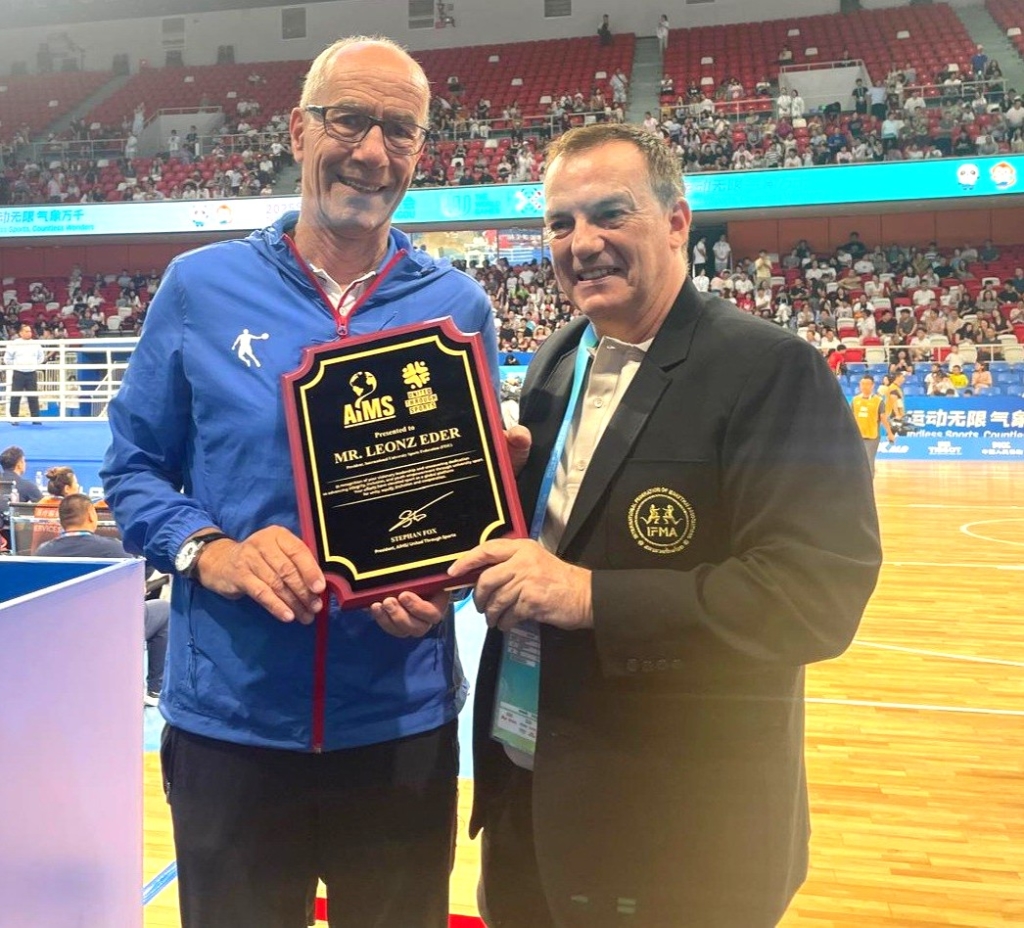
FISU President Leonz Eder and FISU Summer Games Director Jing Zhao were invited guests at The World Games 2025 Chengdu. Their attendance followed Chengdu’s successful hosting of the Chengdu 2021 FISU World University Games in 2023. President Eder noted the remarkable continuity and professionalism on display. “Chengdu has demonstrated remarkable versatility in hosting different categories of international events, seamlessly transitioning from university sports to welcoming elite athletes from around the world,” he stated.
Insights Gained from World Games
During their visit, the FISU delegation observed numerous sporting events across various venues. These experiences, along with meetings with international sports federations, provided valuable insights into event management, technical standards, athlete performance, and competition formats. The focus was particularly on sports common to both FISU and IWGA calendars, analyzing elements that could enhance university sports programs.
University-Level Sports Development Focus
A significant meeting with President Xu of Chengdu Sport University underscored the institution’s crucial role in major sporting events. FISU Summer Games Director Zhao emphasized the importance of such universities: “Universities like Chengdu Sport University are the foundation of athletic excellence,” she commented. “Their programmes create the perfect environment for developing well-rounded competitors prepared for elite, international events.”
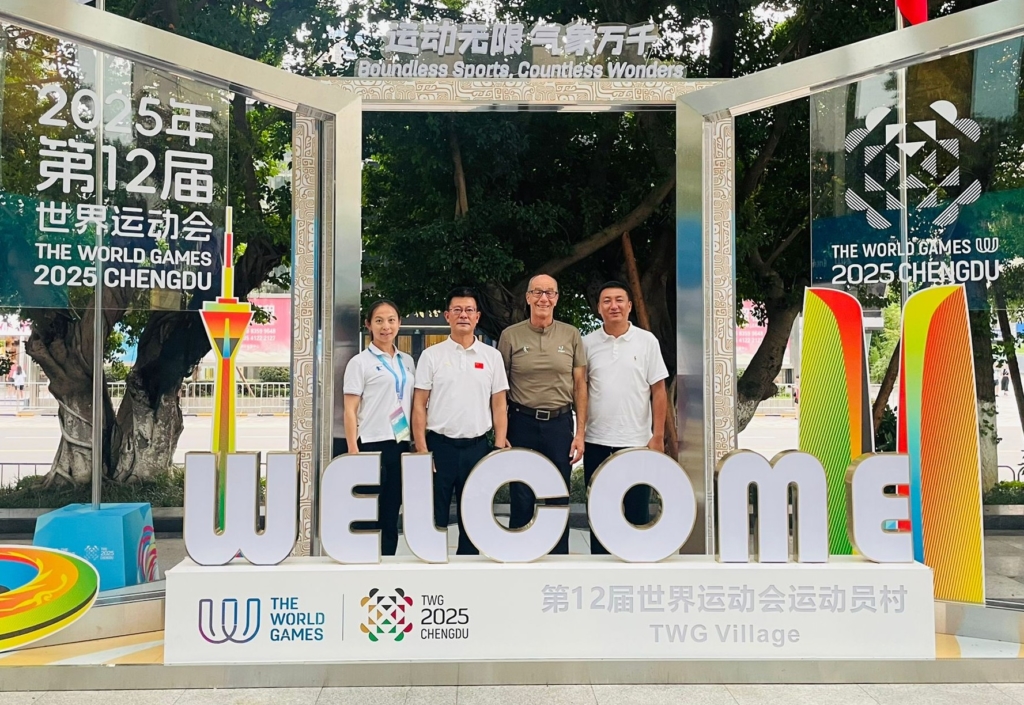
Chengdu’s successful execution of both the FISU World University Games and The World Games positions it as a model for integrated sports development. This dual experience offers a vital case study for future host cities, fostering natural synergies between different levels of athletic competition. For example, the International Olympic Committee (IOC) increasingly emphasizes legacy planning, aiming for sustainable sports development that benefits communities long after major events conclude, a principle evident in Chengdu’s approach.
Pathways to Enhanced Athlete Transitions
Discussions during the visit advanced the establishment of frameworks for ongoing collaboration. These initiatives are intended to benefit athletes, coaches, and officials across university sports and international federations. President Eder expressed optimism about the future: “Our time in Chengdu has opened important new avenues for collaboration that will directly benefit university athletes worldwide,” he stated. “We’re particularly excited about the potential to create more seamless transitions for athletes progressing from university competitions to elite international events.”
