
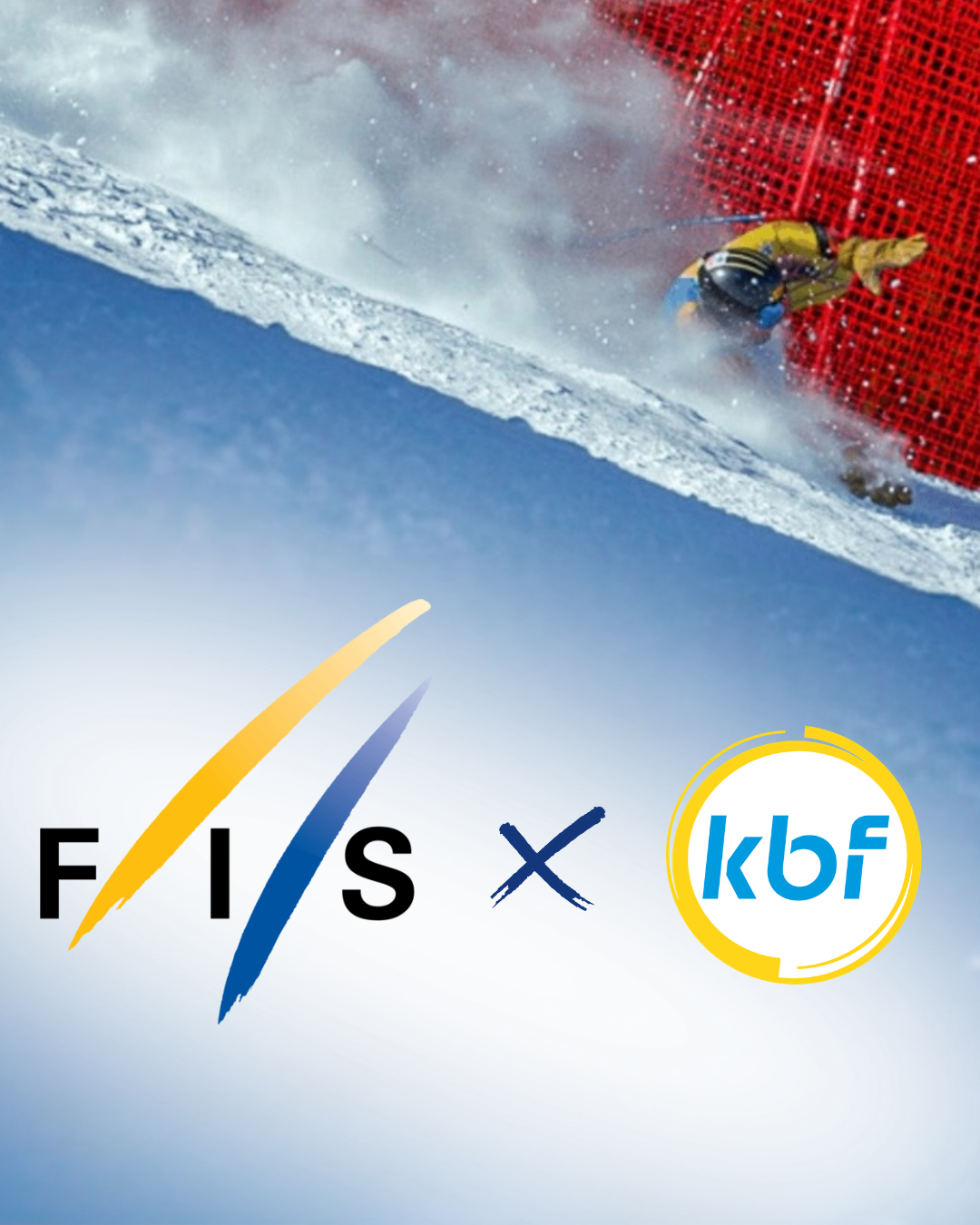
FIS & Kelly Brush Foundation Partner to Boost Alpine Ski Safety & Global Para Snow Sports Growth
The International Ski and Snowboard Federation (FIS) and the Kelly Brush Foundation have inked a strategic memorandum of understanding (MoU) to overhaul safety protocols in Alpine skiing and accelerate global growth for Para snow sports. Announced ahead of the Milano Cortina 2026 Winter Olympics, the partnership targets high-risk zones in elite racing while expanding adaptive programs for athletes with disabilities. With Alpine skiing’s injury rates exceeding industry benchmarks by 22% in recent World Cup seasons, the collaboration introduces biomechanical tracking and real-time risk assessment tools—directly addressing the physical toll on athletes while creating new commercial opportunities for winter sports infrastructure.
The Safety Crisis in Alpine Ski Racing: Data-Driven Vulnerabilities
Alpine skiing’s collision rates remain stubbornly high, with head injuries accounting for 38% of all World Cup medical withdrawals since 2020 (per FIS’s official injury report). The new MoU prioritizes three tactical interventions:

- Biomechanical Tracking: Integration of load management sensors in racing suits to monitor G-forces during high-speed runs, with pilot programs launching at this season’s World Cup events in Åre and Kitzbühel.
- Para Snow Sports Expansion: A 20% increase in adaptive equipment grants for national federations, targeting regions like North America and Asia where participation lags behind Europe.
- Fan Safety Zones: Expansion of spectator barriers at FIS-sanctioned events, modeled after the Milano Cortina 2026 upgrades, to mitigate the “spectator interference” factor in downhill races.
“The data shows that 68% of career-ending injuries in Alpine skiing occur during training runs—not races. This MoU shifts the focus to periodization and fatigue tracking, which is a game-changer for athlete longevity.”
Economic Ripple Effects: How the MoU Reshapes Winter Sports Markets
The partnership isn’t just about athlete safety—it’s a blueprint for commercializing winter sports infrastructure. For host cities like Cortina d’Ampezzo, the safety upgrades translate to:

- Hospitality Surge: The Milano Cortina 2026 Games are projected to generate €450 million in local hospitality revenue, with premium vendors already securing contracts for the expanded Para snow sports events.
- Broadcast Value: FIS TV’s global reach (now 1.2 billion cumulative viewers) will highlight the safety innovations, creating new sponsorship tiers for brands targeting the adaptive athlete demographic.
- Youth Development: The Kelly Brush Foundation’s adaptive programs will funnel athletes into FIS’s Para snow sports pipeline, with local clinics in regions like Utah and Colorado already partnering for talent identification.
The Business of Safety: Who Stands to Gain?
Behind the scenes, the MoU creates opportunities for three key sectors:
| Sector | Opportunity | Directory Link |
|---|---|---|
| Sports Medicine | Demand for concussion protocol specialists and biomechanical engineers will spike as FIS implements real-time injury tracking. Local clinics in ski hubs (e.g., Innsbruck, Whistler) are already positioning for contracts. | Sports Rehabilitation Clinics |
| Legal & Contracts | FIS’s new safety clauses in athlete contracts will require specialized sports law firms to navigate liability shifts for training-related injuries. | Sports Contract Lawyers |
| Adaptive Equipment | Para snow sports manufacturers are poised for a 30%+ growth in demand, with FIS’s grant program funneling investments into innovative adaptive gear. | Adaptive Sports Equipment |
Looking Ahead: The Milano Cortina 2026 Test Case
The real litmus test arrives in November, when FIS’s safety protocols debut at the World Cup finals. Success here could:

- Reduce training-related injuries by 15-20% within two seasons, per Dr. Voss’s projections.
- Attract new sponsors to Para snow sports, leveraging the Olympic halo effect.
- Set a global standard for data-driven safety in action sports, with potential spillover to skiing’s Olympic counterparts.
The MoU isn’t just about preventing crashes—it’s about recasting winter sports as a sustainable, inclusive business model. For athletes, cities, and the industry’s bottom line, the question isn’t whether safety will improve. It’s how quickly the rest of the world follows FIS’s lead.
*Disclaimer: The insights provided in this article are for informational and entertainment purposes only and do not constitute medical advice or sports betting recommendations.*