
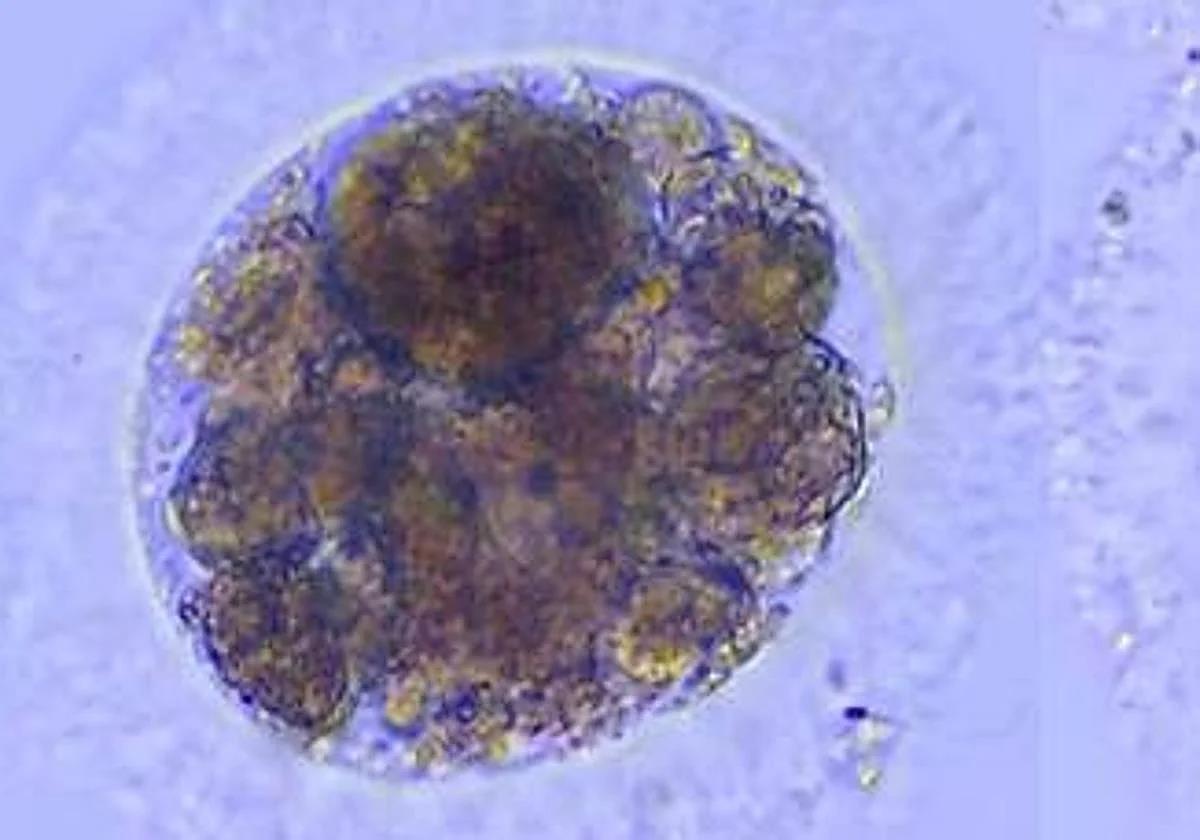
Iberian lynx conservation is now at the center of a structural shift involving genetic‑diversity management through reproductive biotechnology. The immediate implication is a new lever for European biodiversity policy and regional ecological investment.
The Strategic Context
The Iberian lynx, once fewer than 100 individuals in 2002, has risen to over 2,000 in the wild by 2024 thanks to coordinated breeding, reintroduction and habitat‑restoration programmes across Spain and Portugal. This recovery occurred within a broader European trend of intensifying biodiversity commitments, driven by EU Green Deal funding, the Convention on Biological Diversity targets, and increasing public demand for ecosystem services. Yet, the species now confronts a classic conservation bottleneck: reduced genetic variability that threatens long‑term viability. The emergence of assisted reproductive technologies (ART) aligns with a global shift toward “genetic insurance” mechanisms, mirroring similar biobanking efforts in agriculture and livestock sectors.
Core Analysis: Incentives & Constraints
Source Signals: A joint study by the national museum of natural sciences (MNCN) of the Spanish national research council (CSIC) and the faculty of veterinary medicine of the Complutense university of Madrid (UCM) demonstrated in‑vitro fertilisation of Iberian lynx embryos using post‑mortem ovaries and cryopreserved sperm from a species biobank. Researchers highlighted the need to develop embryo‑transfer methods, noted seasonal effects on oocyte recovery, and emphasized the role of regional wildlife recovery centres and breeding centres in supplying genetic material.
WTN Interpretation: The initiative reflects several structural incentives. First, European funding streams increasingly reward innovative, science‑based conservation outcomes, giving researchers leverage to secure resources for high‑tech interventions. second, national and regional authorities (Andalucía, Castilla‑La Mancha, Extremadura, and the Ministry for Ecological Transition) seek tangible metrics to demonstrate compliance with EU biodiversity targets, making successful ART pilots politically valuable. Third, the biobank creates a strategic asset that mitigates the risk of sudden population loss, aligning with broader risk‑management practices in climate‑resilient planning. Constraints include the technical gap in embryo transfer to surrogate females, limited scalability of laboratory protocols, and the need to balance in‑situ habitat protection with ex‑situ genetic interventions.Moreover, public perception of ”lab‑grown” wildlife may affect funding continuity and policy support.
WTN Strategic Insight
“Reproductive biobanking is becoming the ‘genetic vault’ of biodiversity policy, turning species rescue from a reactive act into a proactive, data‑driven strategy.”
Future Outlook: Scenario Paths & Key Indicators
Baseline Path: If the research consortium secures continued EU and national funding, and successfully pilots embryo‑transfer techniques within the next 12‑18 months, the Iberian lynx program will integrate ART into routine reintroduction cycles. This would stabilize genetic diversity, reduce inbreeding depression, and position Spain as a model for EU‑wide biobanking initiatives, potentially attracting further investment in similar programmes for other threatened taxa.
Risk Path: If technical hurdles in embryo transfer persist, or if public and political scrutiny over “lab‑derived” wildlife intensifies, funding could stall. In that case, the species would remain dependent on conventional breeding, leaving genetic bottlenecks unresolved and exposing the population to heightened extinction risk under climate‑induced habitat stress.
- Indicator 1: Publication of a peer‑reviewed study demonstrating successful embryo transfer to surrogate lynx females (expected within the next 3‑6 months).
- Indicator 2: allocation decisions in the EU Biodiversity Strategy funding cycle for 2026, specifically earmarked for reproductive biotechnology projects.
