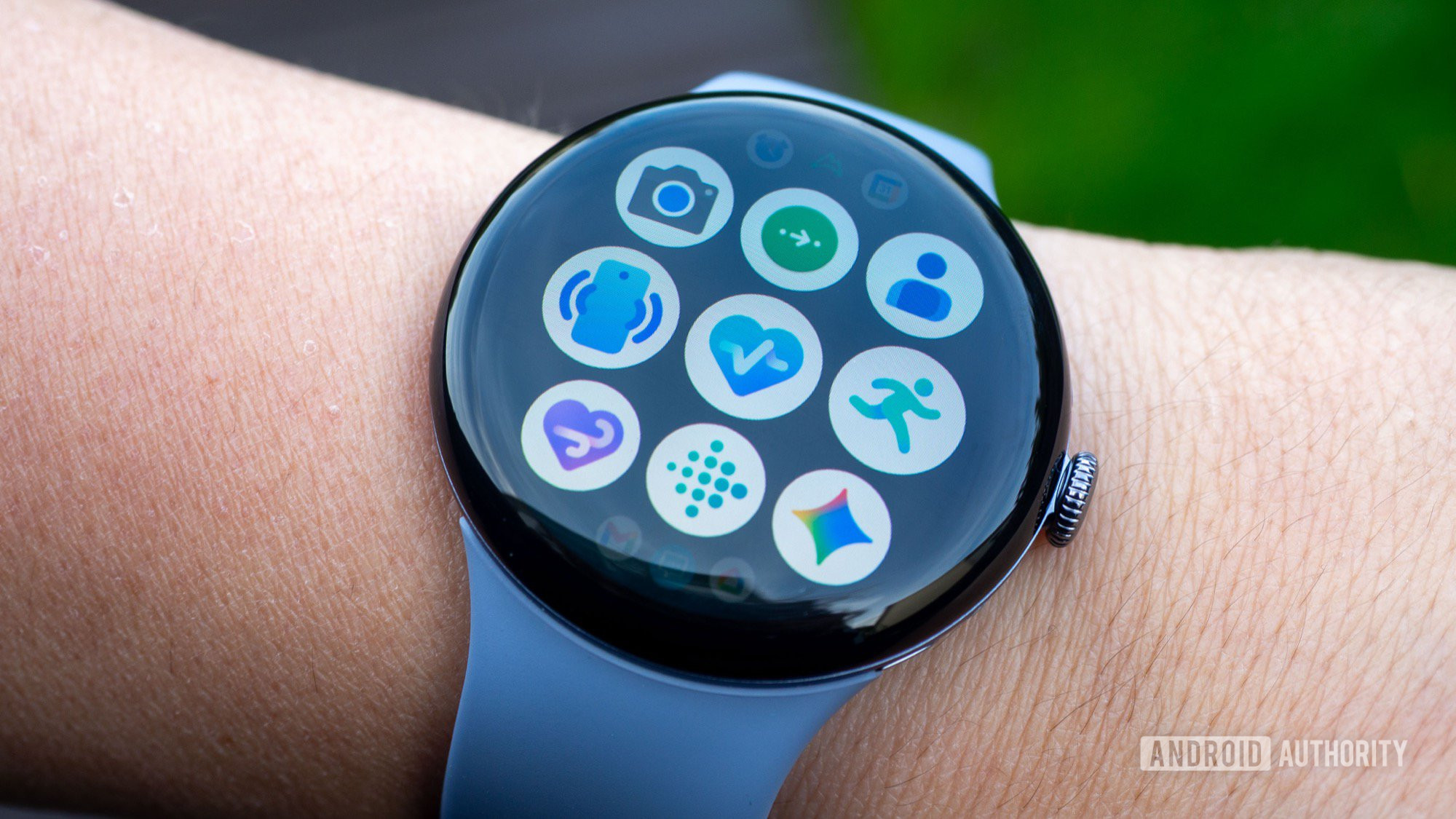
Find People Feature Rolls Out to Wear OS via Find Hub
Wear OS Find Hub: Architecture and Constraints of New Location Tracking
Google has deployed an update to the Find Hub application on Wear OS, introducing a “Find people” interface that enables users to monitor location-sharing participants directly from their wrist. According to reporting by Rita El Khoury at Android Authority, this functionality is designed as a passive monitoring layer rather than a bidirectional command center.
The Tech TL;DR:
- Passive Monitoring: The Wear OS Find Hub interface displays existing location-sharing participants but lacks the capability to initiate new sharing sessions.
- LTE Independence: On LTE-enabled smartwatches, the device maintains location broadcasting even when the paired smartphone is out of range, utilizing the underlying Google Location Sharing API.
- Dependency Chain: All configuration, including permissions and contact management, remains tethered to the primary Android device’s Find My Device ecosystem.
Architectural Limitations and API Dependency
The “Find people” feature does not operate as an independent tracking service. Instead, it functions as a lightweight UI wrapper for Google’s established Location Sharing framework. If a user attempts to access the feature without prior setup, the interface triggers an intent to “Open on phone,” necessitating a context switch to the handheld device.
To check the status of a shared location programmatically, one might look toward the Google Play Services location APIs, though direct manipulation of these shares remains restricted to the primary user’s account authenticated on the mobile device.
// Conceptual intent for launching the Find Hub activity on Wear OS
Intent intent = new Intent("com.google.android.gms.findmydevice.action.VIEW_PEOPLE");
intent.addFlags(Intent.FLAG_ACTIVITY_NEW_TASK);
startActivity(intent);
LTE Connectivity and Operational Continuity
The most significant technical advantage of this rollout concerns Wear OS devices equipped with standalone LTE connectivity. When a user exits the Bluetooth range of their smartphone, the watch transitions to its own cellular radio. Because the location-sharing session is managed via Google’s cloud infrastructure—linked to the user’s Google Account—the watch continues to broadcast location data regardless of the phone’s proximity. This ensures continuous tracking, a critical requirement for safety-focused applications.

As noted by 9to5Google, the watch interface explicitly displays the remaining duration of a sharing session, providing the user with real-time feedback on their privacy status. This is not a real-time map viewer; it is an audit tool. It allows the wearer to confirm exactly who has access to their coordinates and how much time remains on the token, minimizing the risk of accidental, indefinite location exposure.
IT Triage and Enterprise Deployment
Future Trajectory of Wearable Location Services
The current implementation of “Find people” on Wear OS is a pragmatic step toward making wearables more functional in the absence of a smartphone. However, the limitation of not being able to start a share from the watch suggests that Google is maintaining a strict security boundary.

Disclaimer: The technical analyses and security protocols detailed in this article are for informational purposes only. Always consult with certified IT and cybersecurity professionals before altering enterprise networks or handling sensitive data.