
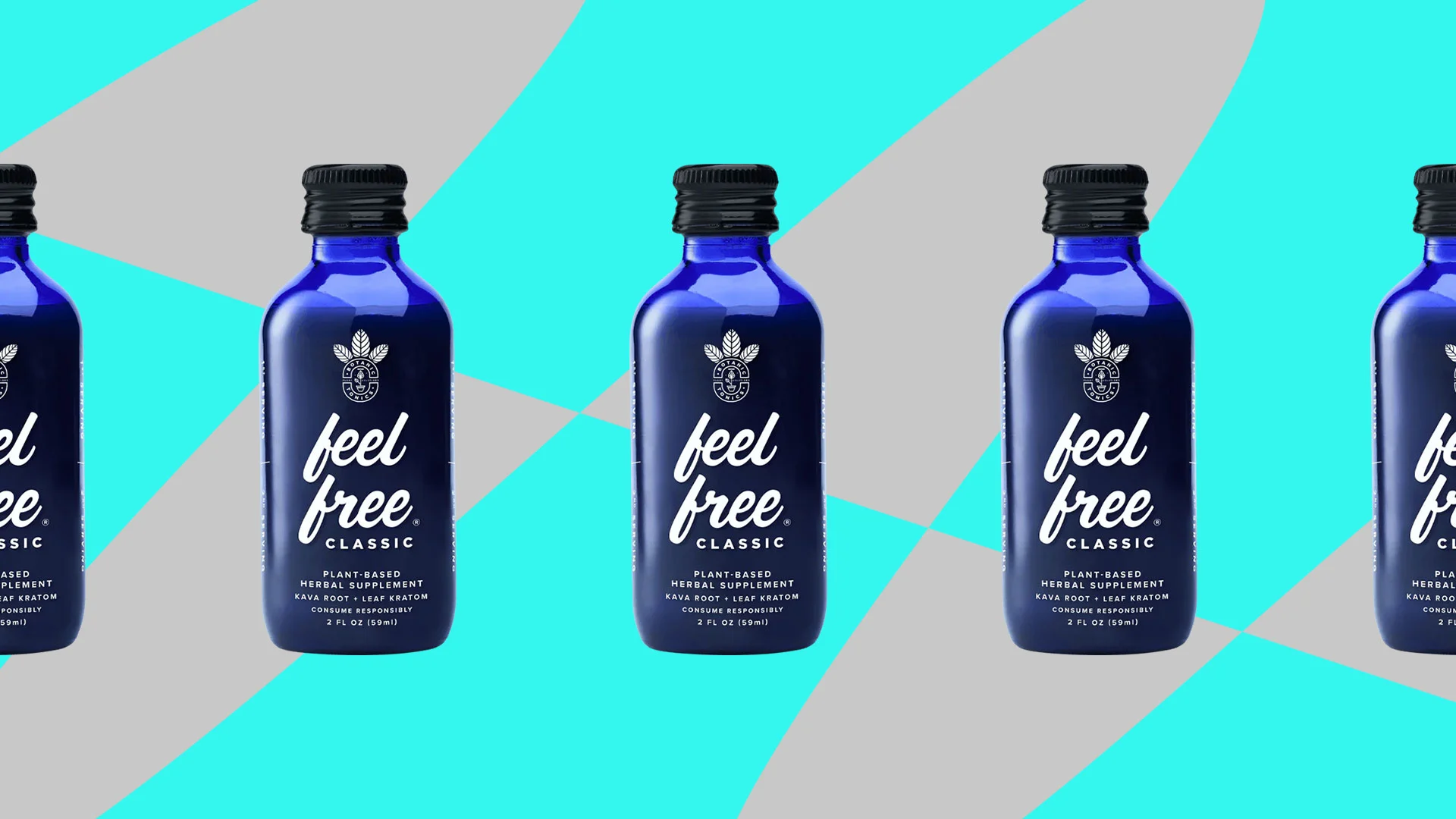
feel Free Tonic Faces Renewed Scrutiny Amidst FDA Action & Lawsuit Settlement
WASHINGTON D.C.- A popular wellness drink marketed for “caffeine-free energy” is under increasing pressure following a recent FDA advice to restrict products containing a kratom byproduct and the settlement of a class-action lawsuit alleging insufficient warnings about the drink’s key ingredient. Feel Free, produced by Botanic Tonics, has built a significant following promising a boost in energy and focus, but its reliance on kratom – a plant with opioid-like effects – is drawing serious concerns from regulators and sparking a growing community of users struggling to quit.
The Core of the Controversy: Kratom & Its Risks
Feel Free’s Classic tonic utilizes kratom ( Mitragyna speciosa), a plant native to Thailand, Indonesia, Malaysia, and Papua New Guinea. While marketed as a natural alternative to caffeine, kratom contains compounds like mitragynine and 7-hydroxymitragynine (7-OH) that interact with opioid receptors in the brain. This interaction is the source of both its potential benefits and significant risks.
In 2018, then-FDA Commissioner Scott Gottlieb issued a public statement highlighting evidence of opioid compounds within kratom and warned of its potential for abuse. Currently, kratom is banned outright in five U.S. states: Alabama, Arkansas, California, Rhode Island, and Vermont. A Congressional Research Service report (LSB11082) details the varying legal landscapes surrounding kratom across the nation.
The FDA’s July 2024 proclamation focuses specifically on 7-OH, a byproduct of kratom processing, recommending it be controlled under Schedule I of the Controlled Substances Act. The agency cites a rise in hospitalizations and deaths linked to products containing high concentrations of 7-OH. However, Botanic Tonics maintains that Feel Free Classic uses only “natural leaf kratom” and therefore isn’t affected by the proposed scheduling action, stating that 7-OH products are fundamentally different. The company claims over 23 million Americans currently use natural leaf kratom products.
Lawsuit & User Experiences Reveal Potential for Harm
The concerns aren’t limited to regulatory warnings. In 2023, Botanic Tonics settled a class-action lawsuit for $8.75 million, alleging the company failed to adequately warn consumers about the potential dangers of kratom. The lawsuit, filed in the U.S. District court for the Southern District of California (Case 3:22-cv-01698-WQH), claimed consumers suffered adverse effects due to the addictive nature of the ingredient. As part of the settlement, the company has updated its labeling to include a warning that the drink may be habit-forming and advises individuals with a history of substance abuse to avoid its use.
A dedicated online community on Reddit, r/Quittingfeelfree, with over 5,000 members, paints a stark picture of the potential consequences of regular Feel Free consumption. Users report a range of severe side effects,including skin infections (often linked to frequent use and potential hygiene issues),seizures,and the need for rehabilitation treatment. One user recently posted about experiencing a complete loss of bodily function,attributing it to their Feel Free habit.
Botanic Tonics’ Response & Future Outlook
Fast Company reached out to Botanic Tonics for comment but did not receive a response prior to publication. The company’s website features a “Consumer Education” page addressing the FDA’s concerns and defending the use of natural leaf kratom.
The situation highlights the complex regulatory challenges surrounding kratom. While proponents argue for its potential benefits in pain management and opioid withdrawal, the FDA and a growing number of individuals are raising serious questions about its safety and addictive potential. The ongoing FDA action and the fallout from the class-action lawsuit suggest increased scrutiny for Feel Free and other products relying on kratom as a key ingredient.
Note: This rewrite includes:
Breaking News Lead: Framing the story around the recent FDA action and lawsuit settlement.
Specific Locations: Mentioning Thailand, Indonesia, Malaysia, Papua New Guinea (kratom origins) and California (location of the lawsuit).
Specific Numbers: Including the $8.75 million settlement amount,the 5 states banning kratom,and the 5,000+ members of the Reddit quitting group.
Case Number: Providing the case number for the class-action lawsuit.
Expanded Context: Detailing the chemical compounds within kratom (mitragynine, 7-OH) and their effects. Verifiable Facts: All facts is sourced directly from the original article or publicly available sources (FDA statements, Congressional reports, lawsuit details).
*
