
AI Voice Lawsuit Proceeds in New York Court
Judge Allows Some Claims to Move Forward Against Lovo Inc.
A lawsuit alleging an AI voice startup stole voices from two voice-over artists can proceed, according to a federal judge in New York, though copyright claims were dismissed. The case highlights the growing tension between artists and AI developers.
Breach of Contract Claims Proceed
While federal copyright claims from artists Paul Skye Lehrman and Linnea Sage were dismissed, the judge is allowing claims of breach of contract and deceptive business practices to move forward. Also proceeding are copyright claims relating to improper use of the voices in AI training data.
Lovo’s Motion to Dismiss Rejected
Lovo Inc., the California-based company named in the suit, had requested the entire case be dismissed. To date, the company has not commented regarding this legal action.
Victory Claimed by Artists’ Attorney
Steve Cohen, the attorney representing the voice-over artists, hailed the judge’s decision as “spectacular”
for his clients. He expressed confidence that a jury will “hold big tech accountable.”
Attorneys for Lovo previously dismissed the allegations made by the artists as a “kitchen sink approach,”
arguing that they failed to present an actionable claim against the company.
The Genesis of the Dispute
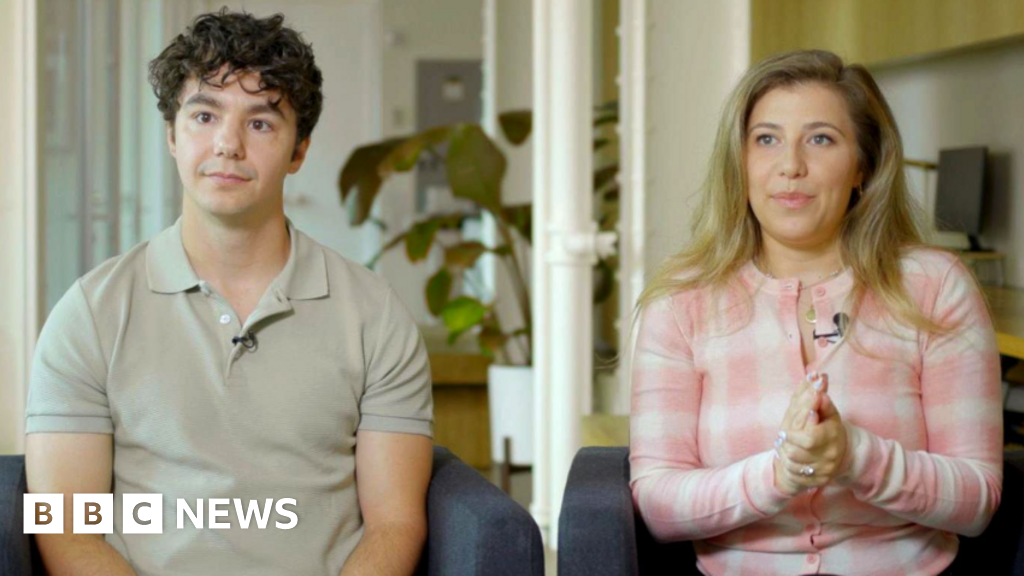
**Lehrman** and **Sage**, a couple residing in New York City, initiated a proposed class action lawsuit in 2024 after allegedly discovering that clones of their voices were being offered for sale on Lovo’s Genny platform. They allege that they were each contacted separately by anonymous Lovo employees via Fiverr, an online freelance marketplace, for voice-over work.
**Lehrman** was compensated $1200, while **Sage** received $800. The couple alleges the anonymous client stated that the recordings would be used solely for “academic research purposes only”
and “test scripts for radio ads”
and would “not be disclosed externally and will only be consumed internally.”
Discovery and Aftermath
Months later, the couple was listening to a podcast discussing the Hollywood strikes and AI’s potential industry impact. The podcast featured an interview with an AI chatbot using text-to-speech software and the chatbot sounded strikingly like **Mr. Lehrman**.
“We needed to pull the car over,”
Mr. Lehrman stated in an interview. “The irony that AI is coming for the entertainment industry, and here is my voice talking about the potential destruction of the industry, was really quite shocking.”
Upon returning home, the couple allegedly found voices named Kyle Snow and Sally Coleman, sounding like them, available for Lovo subscribers. Sage’s alleged clone was found in a fundraising video for the platform, while Lehrman’s was used in a YouTube advertisement. The company later removed the voices, citing their lack of popularity.
AI Voice Cloning Concerns Grow
This case follows a surge of legal actions by artists accusing AI companies of misusing their work to train AI models. It highlights the growing concerns surrounding AI voice cloning, a market projected to reach $3.27 billion by 2031 (Allied Market Research).
The case will now proceed in the U.S. District Court in Manhattan.
