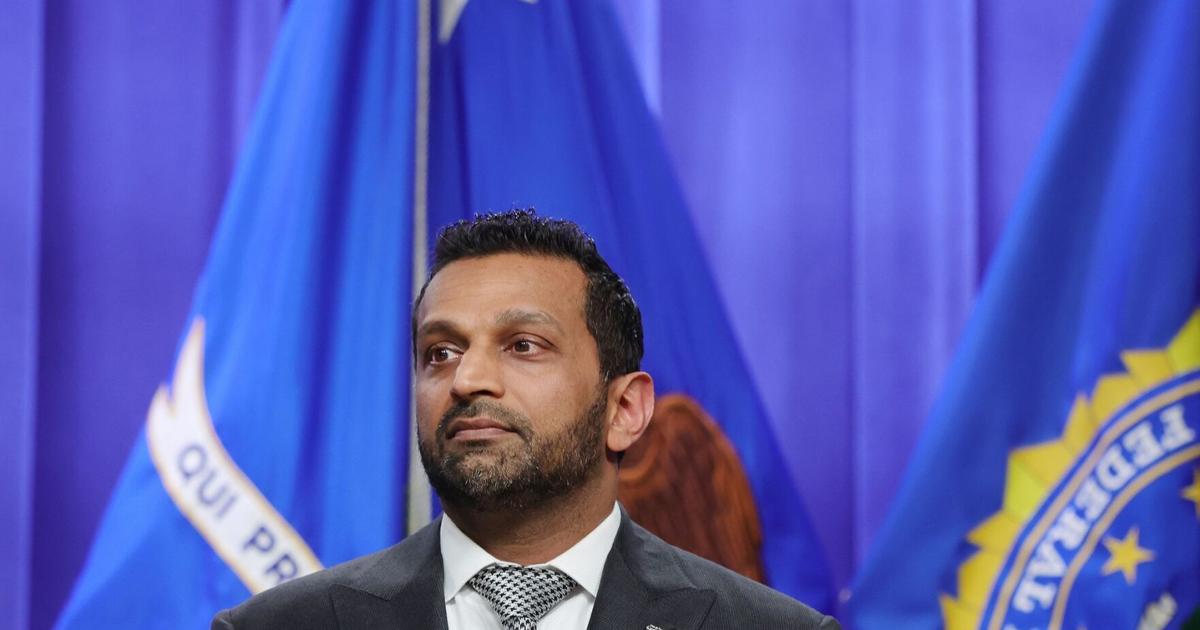
FBI Investigates NYT Reporter Elizabeth Williamson After Story on Director Kash Patel, Report Says
On April 23, 2026, The New York Times revealed that the FBI launched an investigation into its national security reporter Elizabeth Williamson following her story about FBI Director Kash Patel’s personal relationship, raising urgent concerns about press freedom, governmental overreach, and the chilling effect on investigative journalism in an era where reporters face legal scrutiny for holding power accountable.
The FBI’s probe began after Williamson published a detailed report examining Patel’s connection to a woman employed by a defense contractor with pending federal contracts—a story grounded in public records and standard journalistic practice. While the Bureau has not disclosed the legal basis for the investigation, legal analysts suggest it may involve claims of improper access to non-public information or harassment statutes, though no charges have been filed. This development echoes historical tensions between federal agencies and the press, reminiscent of the Obama-era seizure of Associated Press phone records in 2013 and the Trump administration’s efforts to compel journalist testimony in leak cases.
Why This Threatens the Foundations of Accountability Reporting
When federal investigators target journalists for stories involving public officials’ private conduct—especially when tied to potential conflicts of interest—they undermine the Fourth Estate’s role as a check on power. Williamson’s reporting did not allege criminality by Patel but explored whether his relationship created appearance-of-impropriety risks under federal ethics guidelines. Such scrutiny is not only legitimate but essential in maintaining public trust. Yet the FBI’s actions signal a dangerous precedent: that aggressive newsgathering could be met with investigative pushback, discouraging reporters from pursuing similar stories.
This chill extends beyond national outlets. Local journalists covering municipal contracts, zoning decisions, or police oversight now face heightened risk when probing officials’ personal ties to businesses benefiting from public funds. In New York State alone, over 1,200 local government ethics complaints were filed in 2025 involving alleged conflicts of interest, according to the New York State Joint Commission on Public Ethics. Many of these investigations commence with tips from local reporters—whose work could now be seen as legally perilous.
The Legal Tightrope: Press Protections Under Strain
While the federal government maintains no general “reporter’s privilege,” 42 states and the District of Columbia have enacted shield laws protecting journalists from being compelled to testify or disclose sources. New York’s shield law, codified in Civil Rights Law § 79-h, offers strong protection unless prosecutors can reveal the information is critical to a crime and unavailable elsewhere—a high bar. Legal experts argue the FBI’s inquiry, absent a subpoena or court order, may already overstep.
“Investigating a journalist for publishing ethically sourced, public-interest reporting—without clear legal justification—violates the spirit, if not the letter, of federal privacy statutes and First Amendment principles. This isn’t about one story; it’s about whether reporters can do their jobs without looking over their shoulder.”
Lange notes that while national security exceptions exist, they require narrow tailoring and demonstrable harm—neither of which has been publicly demonstrated in Williamson’s case. She warns that opaque investigations like this erode public confidence in both law enforcement and the press, creating a vacuum where misinformation thrives.
Geographic and Institutional Ripple Effects
The implications are especially acute in government contracting hubs. In Northern Virginia, where defense contractors employ over 250,000 people and account for nearly 18% of regional GDP, any perception that scrutiny of official relationships is dangerous could weaken oversight of multi-billion-dollar procurement cycles. Similarly, in Washington D.C., where lobbying expenditures exceeded $4.1 billion in 2024 (OpenSecrets), journalists play a vital role in monitoring revolving-door dynamics between agencies and private firms.
Locally, city inspectors general and ethics boards—often under-resourced—rely on media scrutiny to surface potential violations. When reporters hesitate, these bodies fly blind. In Chicago, the Office of the Inspector General reported a 22% drop in fraud referrals from media sources between 2023 and 2024, coinciding with increased federal scrutiny of national security reporting.
Who Steps In When Press Freedom Falters?
This is where specialized legal and advocacy institutions become critical. Journalists facing federal inquiries need immediate access to media law specialists versed in First Amendment defense, subpoena challenges, and federal agency negotiations. Firms with expertise in navigating National Security Letter (NSL) challenges or Privacy Act litigation can mean the difference between compelled testimony and protected sourcing.

Simultaneously, newsrooms must strengthen their legal preparedness. Partnering with press freedom advocacy organizations ensures rapid response networks, litigation support, and public awareness campaigns when reporters are targeted. These groups often file amicus briefs, conduct know-your-rights training, and maintain emergency legal funds—resources that proved vital during the 2017–2020 period of increased subpoena use against journalists.
Beyond legal defense, media organizations benefit from consulting institutional risk consultants who specialize in newsroom safety protocols, digital security for sensitive sourcing, and crisis communication strategies when facing governmental pressure. These consultants assist editors balance legal risk with journalistic duty, ensuring stories like Williamson’s get told without compromising team safety or institutional integrity.
The FBI’s investigation into Elizabeth Williamson is not an isolated incident—This proves a stress test for American press freedom in 2026. As federal agencies increasingly employ investigative tools traditionally reserved for criminal suspects against information gatherers, the line between accountability and intimidation blurs. The solution lies not in secrecy, but in solidarity: ensuring that when a reporter is challenged for doing their job, they are not alone. For editors, lawyers, and advocates ready to defend the Fourth Estate, the specialized expertise and protective networks within our directory are not just useful—they are essential.
Keep reading
- Erie Pennsylvania Man Kills 8 People, Including Family, Before Suicide
- Jason B. Kyle faces Kim James, Libby Shelton in 2026 Utah House District 8 race
- Mendocino County Sheriff’s Office Investigates Deaths of 44-Year-Old Husband and His Two Children (newsy-today.com)
- US Justice Department Investigates Five TV Networks Over Antitrust Law Violations After Press Pool Boycott (newsdirectory3.com)