Favorable Long-Term Results with Cliramitug in Transthyretin Amyloidosis Cardiomyopathy
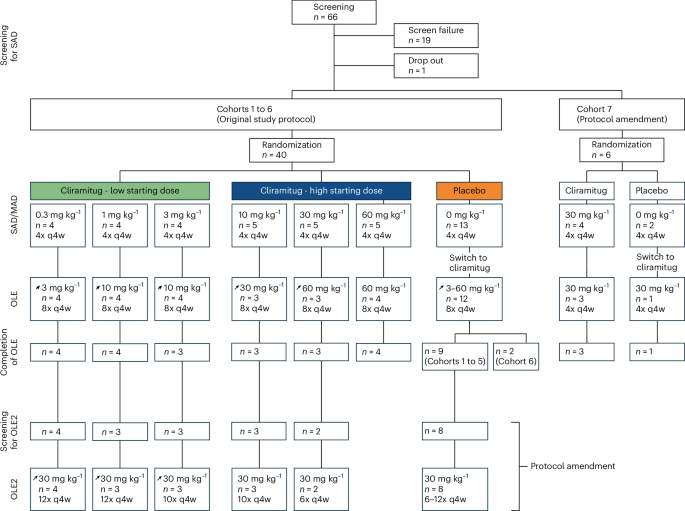
Long-term follow-up data from an open-label extension study of the NI006-101 trial indicates that cliramitug, a monoclonal antibody targeting misfolded transthyretin, provides clinical benefits for patients with transthyretin amyloidosis cardiomyopathy. Published June 26, 2026, in Nature Medicine (doi:10.1038/s41591-026-04487-3), the study reports that patients showed favorable safety, further reduction in cardiac amyloid burden and improvements in structural, functional and biomarker endpoints over a median follow-up period of 29.3 months.
- Cliramitug demonstrates an ability to reduce cardiac amyloid burden, correlating with improvements in structural, functional and biomarker endpoints.
- Long-term data from the open-label extension suggests favorable safety over the 29.3-month median follow-up.
- The observed improvements in biomarker endpoints provide a basis for ongoing clinical development in managing transthyretin amyloidosis cardiomyopathy.
The Clinical Challenge of Amyloid Depletion
Transthyretin amyloidosis cardiomyopathy represents a condition where misfolded transthyretin proteins infiltrate the myocardium. Cliramitug employs a mechanism targeting misfolded transthyretin. According to the data published in Nature Medicine, this approach achieved reduction in cardiac amyloid burden and improvements in structural, functional and biomarker endpoints.

For patients navigating the complexities of this diagnosis, access to specialized cardiac imaging and diagnostic expertise is essential. Patients seeking to understand their specific amyloid burden or potential eligibility for emerging therapies should consult with board-certified cardiologists specializing in cardiac amyloidosis to ensure their care plan aligns with the latest clinical protocols.
Evaluating Long-Term Efficacy and Safety
The open-label extension of the NI006-101 trial tracked patients who transitioned from the primary study to long-term monitoring. The results showed favorable safety, further reduction in cardiac amyloid burden and improvements in structural, functional and biomarker endpoints.
"However, the clinical community must remain vigilant regarding the long-term immunological response to monoclonal antibody therapy, particularly in elderly populations with high baseline morbidity."
Institutional and Regulatory Considerations
The transition from clinical trial status to broad clinical application requires rigorous adherence to patient selection criteria and monitoring protocols. As research progresses, healthcare providers must ensure their diagnostic infrastructure is equipped to detect early-stage amyloid infiltration. This is particularly critical for medical centers aiming to provide comprehensive care for rare protein-misfolding diseases.
For organizations managing the operational side of clinical trials or specialized treatment programs, maintaining compliance with evolving regulatory guidance is paramount. Healthcare compliance attorneys and clinical trial administrators are increasingly necessary to navigate the intersection of innovative biologic therapies and patient safety standards, ensuring that institutional protocols mitigate risk while maximizing patient access to potentially life-saving interventions.
Future Trajectories in ATTR-CM Research
The improvement in biomarker endpoints reported in the 29.3-month follow-up provides a rationale for the continued development of cliramitug. Future research is expected to focus on identifying which patient phenotypes derive the greatest benefit. As the medical community awaits further, larger-scale data, the focus remains on integrating these findings into existing management frameworks. For those currently managing transthyretin amyloidosis cardiomyopathy, connecting with specialized diagnostic centers remains the most effective way to monitor disease progression and access emerging therapeutic options as they become available.
Disclaimer: The information provided in this article is for educational and scientific communication purposes only and does not constitute medical advice. Always consult with a qualified healthcare provider regarding any medical condition, diagnosis, or treatment plan.