Fatah and Hamas to Hold Reconciliation Talks in Cairo
Palestinian political factions Fatah and Hamas are preparing to meet in Cairo to negotiate a renewed framework for Palestinian reconciliation, aiming to bridge a division that has separated the West Bank and the Gaza Strip since 2007. According to reporting from CNN, the upcoming discussions build upon prior efforts to establish a unified interim government and coordinate a path toward potential elections.
The Road to Cairo: Historical Divisions and Past Accords
The geographic and political split between the two major Palestinian factions took definitive shape in 2006, when Hamas won a majority in the Palestinian parliament during its first participation in national polls. While a short-lived coalition government followed, a breakdown in authority led to Hamas taking control of Gaza in 2007, leaving the West Bank under the administration of the Fatah-dominated Palestinian Authority. Years of regional friction, failed reconciliation bids, and differing diplomatic strategies toward Israel followed.
Past push for unity has repeatedly stalled over governance control, security forces integration, and administrative oversight. When reconciliation agreements have surfaced previously, implementation hurdles quickly emerged regarding who would lead ministries and manage civil services in both territories.
Diplomatic Fallout and International Reactions
Announcements of renewed unity talks frequently trigger immediate geopolitical consequences. According to CNN’s reporting on prior reconciliation milestones, Israeli leadership expressed strong opposition to partnerships involving Hamas, a group designated as a terrorist organization by Israel and several other countries. Following past unity announcements, Israeli officials opted to suspend bilateral peace negotiations with the Palestinian Authority, arguing that engagement with Hamas undermines prospects for a negotiated two-state settlement.
Conversely, Palestinian supporters of the reconciliation push have argued that a unified representative body strengthens the legitimacy of any future diplomatic delegation. Mustafa Barghouti, a Palestinian lawmaker involved in past reconciliation talks, told CNN that bringing the territories under a unified leadership marks an essential step toward ensuring that negotiators can speak on behalf of all Palestinians.
Managing the economic and administrative fallout of shifting political alliances requires specialized institutional frameworks.
On-the-Ground Realities and Humanitarian Pressures
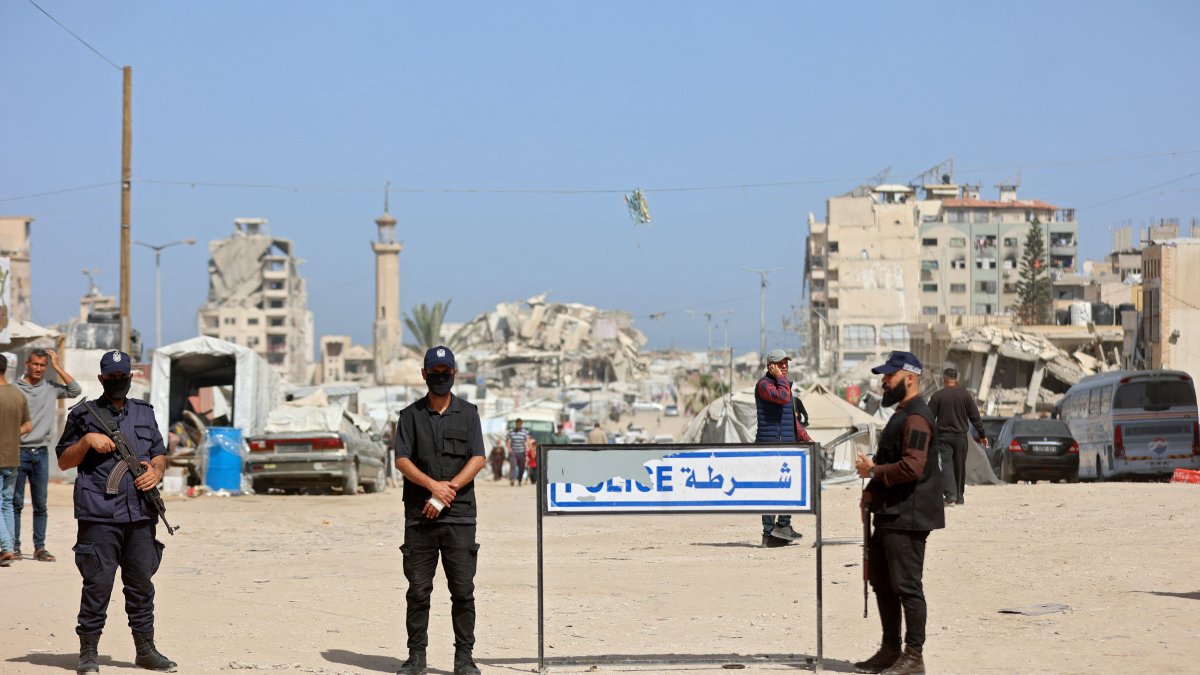
The political maneuvering in Cairo unfolds against a backdrop of ongoing security incidents and severe humanitarian strains within the Gaza Strip and the West Bank. Reports from the Gaza health ministry frequently highlight casualties resulting from military operations, compounding the daily challenges faced by local municipalities, healthcare providers, and civilian infrastructure networks.

Local authorities, civic organizations, and non-governmental entities continue to grapple with logistical bottlenecks when delivering essential supplies, medical care, and structural repairs.
As the delegations convene in Cairo, the ultimate test for Fatah and Hamas will lie in whether they can move beyond declarations of intent and construct a functioning, unified governance model capable of withstanding intense regional and international scrutiny.