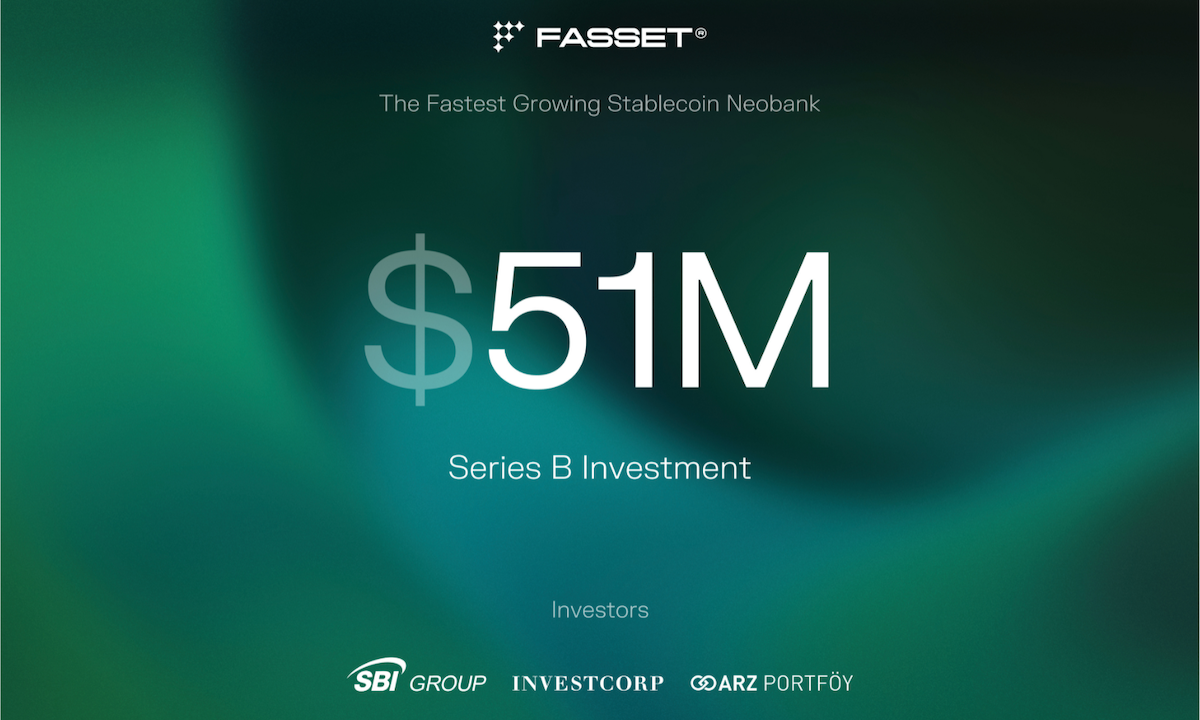
Fasset Raises $51 Million to Expand Stablecoin Neobank in Emerging Markets
Los Angeles-based neobank Fasset has secured $51 million in Series B funding to scale its stablecoin-centric banking infrastructure across emerging markets. The firm aims to bridge financial gaps for underserved populations from Morocco to Malaysia, leveraging Shariah-compliant digital investing, payments, and savings for over 2 million customers in 125 countries.
Capital injection of this magnitude suggests a strategic pivot in how the “unbanked” are onboarded into the global economy. For years, the barrier to entry for residents of underdeveloped financial corridors hasn’t been a lack of desire for investment, but a lack of viable rails. Fasset is betting that stablecoins—digital assets pegged to a steady reserve—can act as the primary liquidity layer for those locked out of traditional systems due to their passport or geography.
The fiscal problem here is one of friction. Traditional cross-border remittances are plagued by predatory fees and glacial settlement times. When a user in an emerging market attempts to hedge against local currency volatility, they are often met with a fragmented ecosystem of legacy banks. This creates a massive opening for firms that can provide a “digital dollar” experience without the overhead of a physical branch network. However, scaling this infrastructure requires more than just code; it requires a sophisticated legal framework to manage the intersection of digital assets and national laws, often necessitating the guidance of [specialized corporate law firms] capable of navigating both Shariah-compliant finance and international securities regulations.
The Velocity of the Digital Dollar Hedge
The appetite for stablecoins in emerging markets is no longer theoretical—This proves a macroeconomic reality. In Nigeria, the trend is stark: users processed roughly $3 billion in transfers of less than $1 million during the first quarter of 2024 alone. This data point signals a critical shift in the crypto landscape. We are moving away from the era of institutional speculation and into an era of retail utility.
Stablecoins are becoming the default tool for survival in volatile economies. The appeal is pragmatic: 24/7 availability and settlement in minutes. In Latin America, this utility is migrating from simple peer-to-peer transfers to small-ticket merchant checkouts. When stablecoins integrate with retail and food delivery networks, they cease to be “crypto” and simply become “payments.”
Fasset’s ambition to build a layer of infrastructure connecting telecoms and payment companies across the “Morocco-to-Malaysia corridor” targets this specific demand. By integrating tokenized real-world assets into everyday financial life, the firm is attempting to democratize access to the same global financial tools available in New York or Singapore.
“Someone in an emerging market can access global financial tools with the same ease as someone sitting in New York or Singapore.”
This vision, articulated by Fasset founder and CEO Mohammad Raafi Hossain, positions the company as a middleware provider between legacy financial institutions and the next generation of digital users. But as these platforms grow, they inevitably attract the gaze of global watchdogs.
The Compliance Bottleneck and the FATF Shadow
The paradox of stablecoin adoption is that the more these assets resemble mainstream payments, the more they inherit mainstream risks. The Financial Action Task Force (FATF) has already sounded the alarm on inconsistent compliance among wallet providers. Without rigorous guardrails, the very rails that enable financial inclusion can be hijacked for illicit finance.
Regulators are now demanding strict adherence to the “Travel Rule,” which requires that originator and beneficiary information accompany every transaction—essentially mirroring the transparency of the traditional SWIFT system. For a neobank operating in 125 countries, the operational burden of implementing Know Your Customer (KYC) checks and sanctions screening at scale is immense.
This regulatory pressure creates a secondary market for B2B utility. Neobanks cannot build every compliance tool in-house without sacrificing their agility. There is a surging demand for [RegTech providers] that can automate identity verification and transaction monitoring in real-time across diverse jurisdictions.
Macro Shift: Three Ways Stablecoin Banking Redefines the Industry
The Series B funding for Fasset is a bellwether for a larger structural change in global finance. The industry is shifting in three distinct directions:
- The Death of the Remittance Middleman: By using stablecoins as the settlement layer, Fasset and its peers are bypassing the correspondent banking networks that have historically inflated the cost of moving money across borders. This forces traditional [enterprise payment processors] to either lower their fees or integrate blockchain rails to remain competitive.
- Mainstreaming Shariah-Compliant Fintech: The integration of Islamic digital banking with blockchain technology allows for a scalable, transparent way to ensure assets are managed according to Shariah principles. This opens a massive, previously underserved market of faith-based investors globally.
- Retail-Driven Liquidity: The Nigerian data proves that retail use now dwarfs institutional speculation. The “stablecoin” is no longer a trading pair for speculators; it is a savings account for the global middle class in unstable economies.
The risk remains that “DIY KYC” models will fail under the weight of professional fraud. If the industry cannot standardize its compliance layers, a single systemic failure could lead to a regulatory crackdown that stifles the very inclusion Fasset is trying to build.
The trajectory is clear: the future of banking in emerging markets isn’t a better branch office, but a more invisible, compliant, and liquid digital rail. As the “Morocco-to-Malaysia” corridor opens, the winners will be those who can balance the aggressive pursuit of financial access with the rigid demands of global regulators. For firms looking to navigate this volatile intersection of fintech and regulation, finding vetted partners is no longer optional—it is a requirement for survival. The World Today News Directory remains the definitive resource for identifying the B2B architects building these new financial frontiers.